9/11 air quality documents open new scrutiny of Ground Zero warnings
New York City released 170,000 pages after settling with 9/11 Health Watch, putting early air-safety advice under fresh scrutiny.
By Bianca Rossi · Entertainment Editor
3 min read
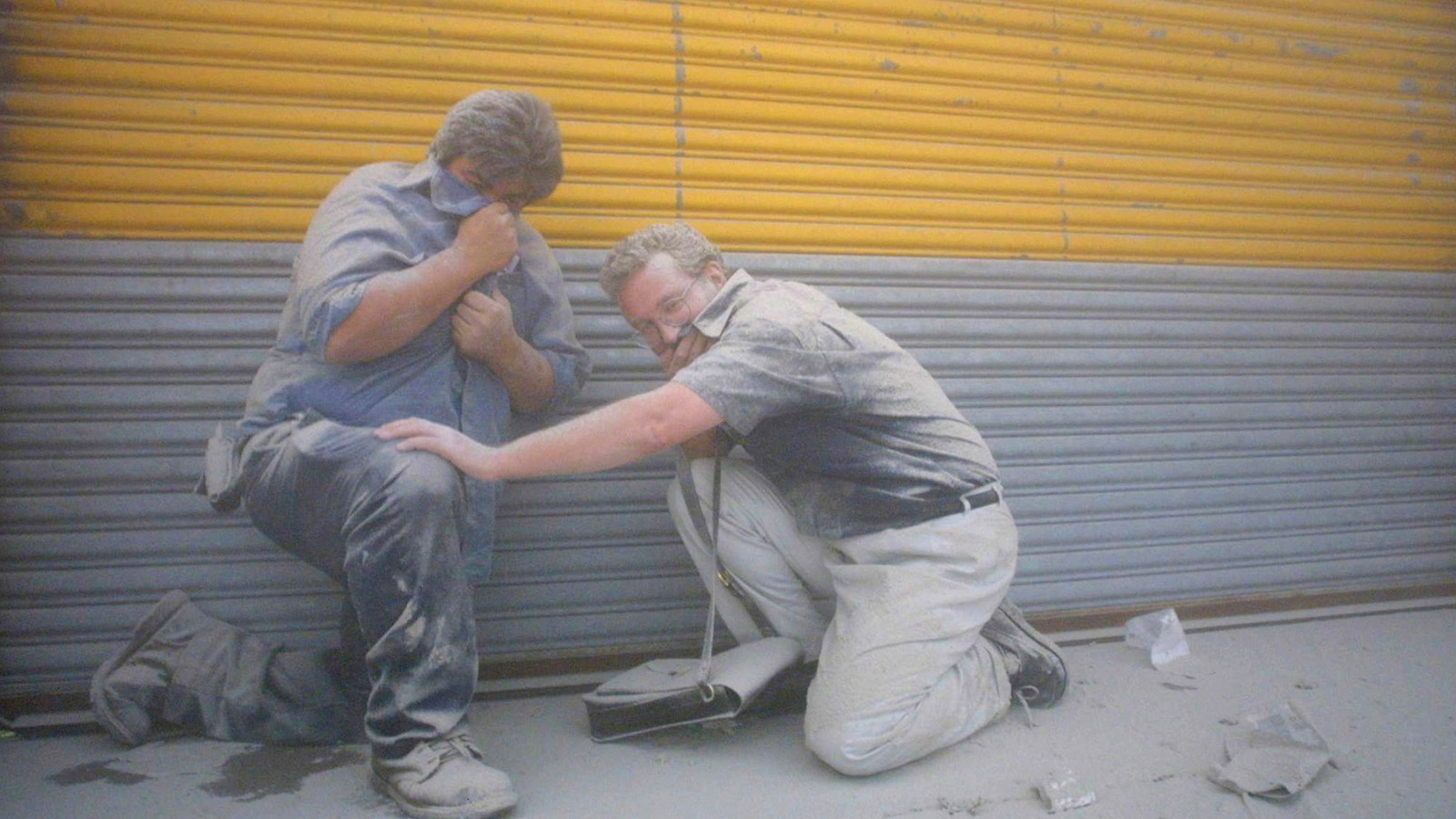
New York City has opened its first batch of 9/11 air quality documents, releasing 170,000 pages after settling two lawsuits with advocacy group 9/11 Health Watch. The files bring new attention to the gap between early public reassurances about Lower Manhattan and records that reportedly tracked toxic conditions near Ground Zero.
Mayor Zohran Mamdani announced the settlement and release on September 8, saying the city will publish more material during the next 12 months. The newly available records are described as including air-quality reports, communications among city officials and the October 2001 Harding Memo. The city’s transcript of the announcement says the wider public portal will eventually contain hundreds of thousands of pages from multiple agencies.
What do the 9/11 air quality documents reportedly show?
According to BBC reporting, the records indicate that asbestos was found near Ground Zero for months while people were being advised it was safe to return to the area. The BBC also reported that toxic air conditions were being recorded in Manhattan soon after the attacks even as officials played down risks to the public.
Mamdani said the records show what the city knew about toxic air, when it knew it and how it sought to limit liability. He also said inspectors found asbestos “nearly everywhere” they tested. Those are the mayor’s characterizations of the material; the complete released records are not independently available here for a document-by-document assessment.
The Harding Memo is among the papers drawing attention. The BBC reported that it warned former Deputy Mayor Robert Harding in October 2001 that the city could face up to 35,000 legal claims, including from people who returned too soon because of health advisories and suffered toxic exposure or emotional harm.
Early assurances remain under the microscope
City and federal officials, including the Environmental Protection Agency, said in the days after the attacks that air near the Twin Towers was safe, the BBC reported. Former EPA administrator Christine Todd Whitman later apologized for the declaration, saying the agency had done its best with the knowledge available at the time.
An opinion article in The Philadelphia Inquirer, citing an EPA inspector general report, said Whitman did not have sufficient data and analysis for such a broad assurance. That account does not establish that any particular official knowingly misled the public.
Mamdani accused leaders of lying about the danger posed by the air, an allegation that the document release is likely to fuel. The pages may clarify the sequence of warnings, testing and official decisions, but the release alone does not prove intent by individual officials or establish that a particular exposure caused a particular illness.
What happens next?
The city says only personally identifiable information and security evaluations of Lower Manhattan buildings will be withheld under its release policy. It also plans to assign staff at the Department of Citywide Administrative Services and New York City Public Schools to help people use records as proof that they were in the exposure zone when seeking September 11th Victim Compensation Fund assistance.
The health stakes remain central. Mamdani said deaths from 9/11-related illnesses now exceed the number killed on September 11 itself. The BBC, citing US health officials, reported a higher estimate: illnesses tied to dust and smoke have claimed more than three times the nearly 3,000 lives lost in the attacks. The differing figures underscore why advocates want the full record made public.
This story draws on original reporting from Rolling Stone.