Cyclospora outbreak reaches at least 34 states as cases climb
Health officials are tracking a multi-state cyclosporiasis outbreak tied to a parasite that can cause severe diarrhea, cramps and flu-like symptoms.
By Bianca Rossi · Entertainment Editor
2 min read
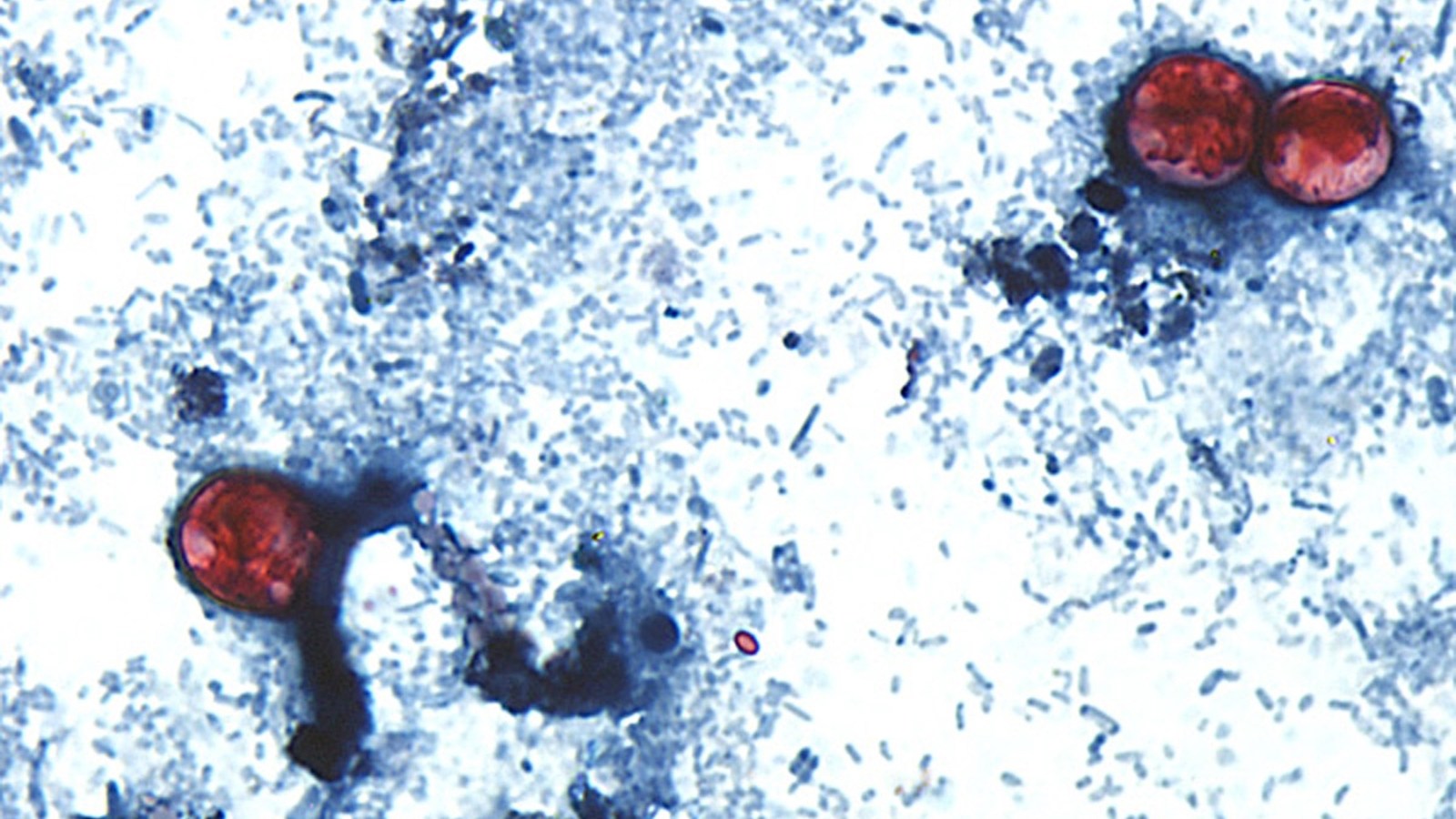
A summer stomach bug with a long fuse is now on the radar in at least 34 states.
Since May, states have reported cases of cyclosporiasis, an intestinal illness caused by the microscopic parasite Cyclospora cayetanensis. According to the Centers for Disease Control and Prevention, the infection can bring severe diarrhea, stomach cramps and flu-like symptoms.
NPR reported that the outbreak began in Michigan and has hit hardest across parts of the Midwest, including southeast Michigan, Ohio, Kentucky and West Virginia. Concentrations of cases have also been reported in New York and Texas.
The CDC’s July 14 bulletin listed more than 1,600 confirmed cases and more than 5,000 additional cases under investigation. Michigan’s health department, however, has reported more than 4,000 cases in that state alone, suggesting the public numbers may lag behind the spread of the outbreak.
How the parasite spreads
According to the CDC, people can get cyclosporiasis after consuming food or water contaminated with feces. Cyclospora is often linked to fresh produce when contaminated water is used during growing or irrigation.
The parasite is especially suited to summer conditions. Health officials say it can grow quickly in hot months, and its incubation period can run as long as six weeks. That means a person may not know they were infected until weeks after eating contaminated food or water.
Federal health officials have not singled out a specific food item for people to avoid. The CDC’s prevention guidance says the best protection is avoiding food or water that could be contaminated with feces.
Experts recommend washing produce thoroughly before eating it. They also advise putting sliced or cooked produce in the refrigerator as soon as possible and keeping it at safe temperatures.
Surveillance questions return
The outbreak is also drawing attention to federal foodborne illness monitoring. The Guardian reported that the Trump administration made significant cuts last July to the Foodborne Diseases Active Surveillance Network, known as FoodNet, a government program that tracks illnesses including cyclospora.
According to that report, tracking for cyclosporiasis, which first caused outbreaks in the 1990s, was changed to optional, along with reporting for pathogens other than Salmonella and STEC, the Shiga toxin-producing E. coli strain.
The White House rejected suggestions Thursday that cuts to the CDC and the Food and Drug Administration had slowed the federal response to the outbreak.
The CDC continues to direct the public toward basic food safety steps: wash produce, avoid water or food that may be contaminated, and store prepared produce properly. For now, health officials have not announced a narrower warning tied to a particular crop, brand or retailer.
This story draws on original reporting from Rolling Stone.