Nolan’s Odyssey ending puts Oppenheimer back in the blast radius
A Mashable analysis argues Christopher Nolan’s Homer adaptation turns Odysseus into a mythic mirror of J. Robert Oppenheimer.
By Poppy Nakagawa · Culture Writer
3 min read
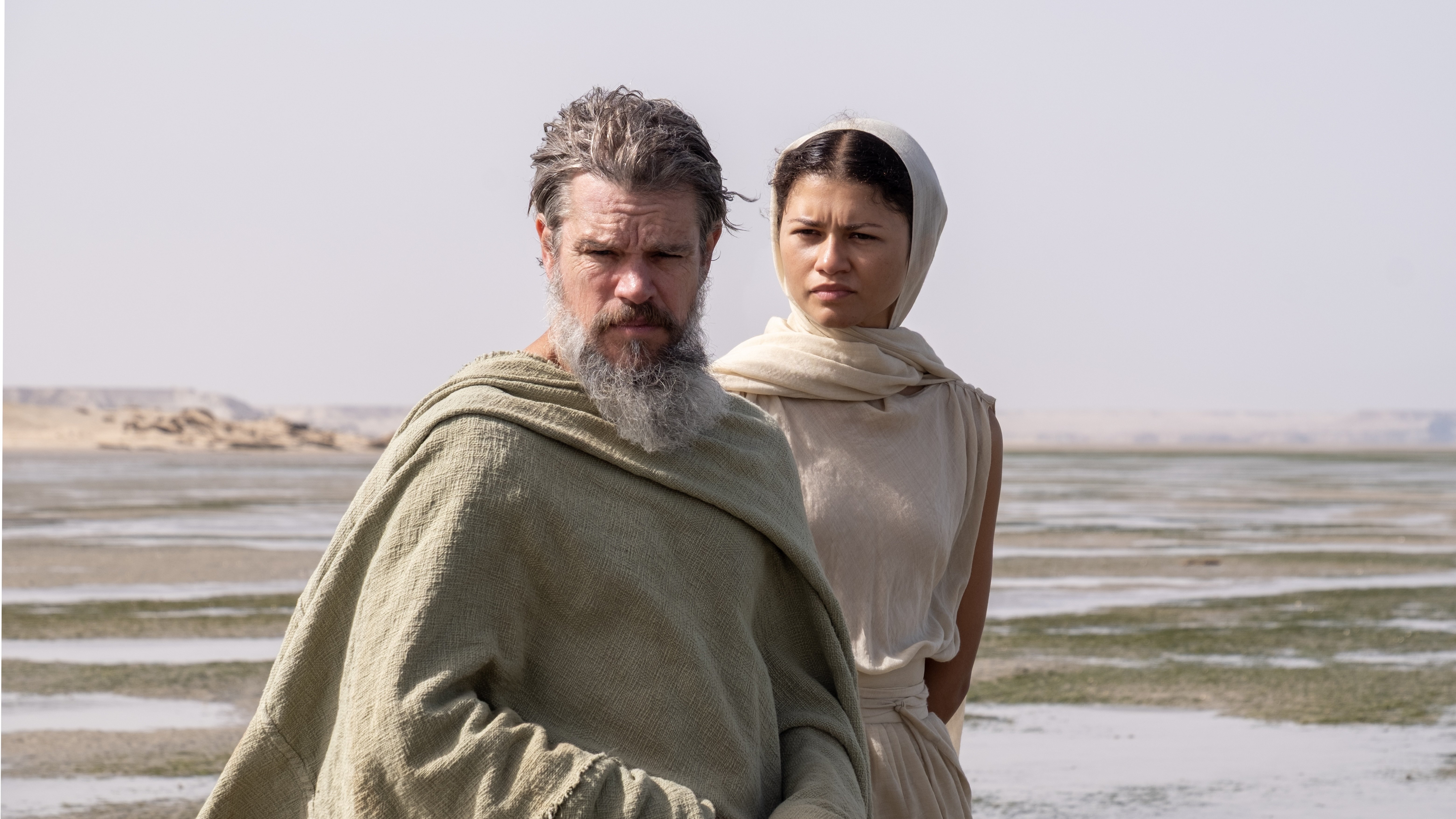
Christopher Nolan’s The Odyssey may look like a leap from nuclear history to mythic adventure, but a new Mashable analysis argues its ending makes the film feel like a shadow sequel to Oppenheimer.
The argument hinges on Odysseus, played by Matt Damon, and J. Robert Oppenheimer, played by Cillian Murphy, as two Nolan leads whose genius helps end a war and leaves them haunted by what follows.
On paper, the films sit worlds apart. Oppenheimer is a biographical drama about the creation of the atomic bomb and its place in the 20th century. The Odyssey adapts Homer’s ancient poem, with gods, monsters and a voyage home after the Trojan War.
Mashable’s reading says Nolan connects them through men who win by outthinking everyone else, then have to live with the damage their victories unleash.
Odysseus joins Nolan’s haunted men
According to Mashable, Damon’s Odysseus fits neatly beside Nolan characters such as Oppenheimer, Inception’s Cobb and Interstellar’s Cooper: capable men driven by intellect, duty and the pull of family.
The analysis points to the clearest parallel first. Oppenheimer’s scientific work produces the atomic bomb, a decisive weapon in the end of World War II. Odysseus’ Trojan Horse scheme brings the Trojan War to its close.
In both cases, Mashable argues, the triumph is poisoned. The same brilliance that ends a conflict also changes the world in ways the men cannot escape.
The Odyssey’s final stretch, as described by Mashable, reframes the famous myth through guilt rather than glory. Odysseus, disguised as a beggar, tells Penelope, played by Anne Hathaway, what really happened during the Sack of Troy.
That account differs from the heroic version given by the bard, played by Travis Scott, at the start of the film, and from Menelaus’ version to Telemachus, played by Tom Holland. In Odysseus’ telling, Mashable says, Troy’s fall is a brutal memory that has weighed on him for a decade.
The ending turns myth into fallout
Mashable also highlights Nolan’s use of Zeus’ Law, the ancient rule that hosts must honor guests because any stranger could be a god in disguise. The analysis says Odysseus’ trick violates that code at its core: Greeks enter Troy as a supposed gift, then kill the people inside.
The film’s mysterious Sea Peoples, described in the analysis as raiders terrorizing Mediterranean coasts after the Trojan War, are tied to that violation. Mashable says the ending reveals them not as unknown monsters, but as Odysseus, his men and other Greeks spreading violence while trying to get home.
Zendaya’s Athena also shifts meaning in this reading. Rather than guiding Odysseus as a comforting divine presence, Mashable says his visions of her take the form of a slaughtered Trojan priestess, forcing him to face what he did.
That remorse is compared directly with Oppenheimer’s closing conversation with Albert Einstein, played by Tom Conti, in which Oppenheimer says he believes they did start a chain reaction that would destroy the world. Mashable links that image of nuclear apocalypse to The Odyssey’s final shot of the Trojan Horse burning.
The analysis extends the pattern to Tenet, where John David Washington’s Protagonist works with a secret group to stop a future attack, and agents identify one another with the phrase, “We live in a twilight world.” Mashable frames Tenet, Oppenheimer and The Odyssey as an unofficial Nolan trilogy about humanity facing destruction of its own making.
The Odyssey is now in theaters.
This story draws on original reporting from Mashable.