Red light mask testing puts wavelength and irradiance in the spotlight
Mashable tested 10 LED face masks over a year and says five delivered visible results, with wavelengths and power doing the heavy lifting.
By Georgia Hale · Staff Writer
3 min read
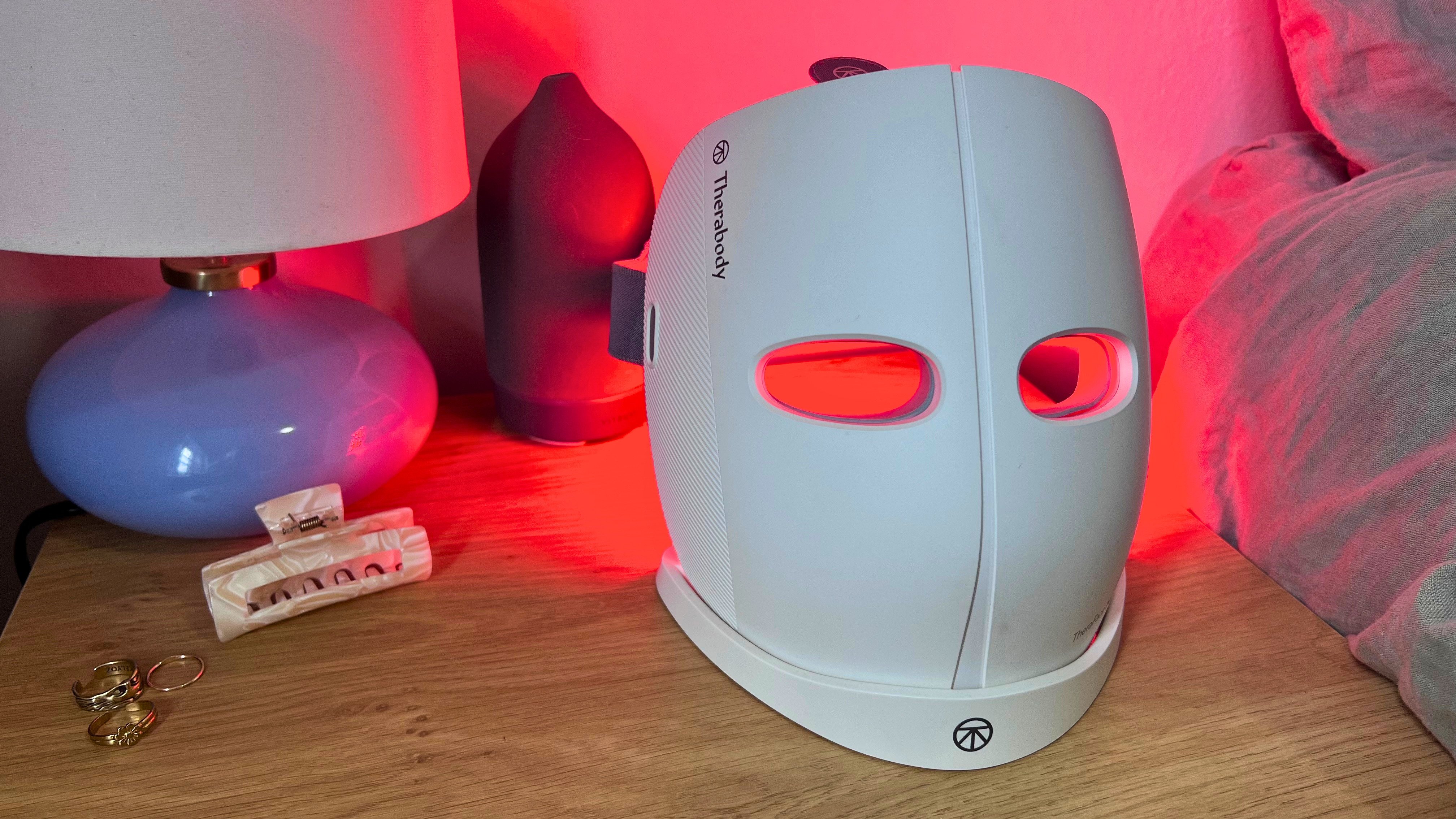
After a year of trying 10 LED face masks, Mashable says five earned a recommendation and two should be skipped. The big lesson from its testers: the numbers on the light matter before the mask ever touches your face.
Mashable reported that shoppers should start with wavelength, because the light has to fall within ranges associated with skin benefits. The publication pointed to research on red light therapy indicating that specific wavelengths may help with fine lines, dark circles, crow’s feet, skin texture, wrinkles, collagen production, inflammation and redness.
The key numbers to check
According to Mashable, red light used for facial treatments needs to get past the outer layer of skin and reach the dermis. The guide says red light between 630 and 633 nanometers is the range to look for, because it can reach that middle layer and stimulate cells involved in collagen and elastin production.
Mashable said many masks also include near-infrared light, which uses longer wavelengths than standard red light. Its guide identifies 830 to 850 nanometers as the useful range for near-infrared light, which it says travels deeper and is used to support cell turnover, firmness and healing of stubborn spots or dark circles.
Blue light sits at the other end of the face-mask playbook. Mashable cited research saying blue light at 415 nanometers works on the skin’s surface and can have an antimicrobial effect against acne-causing bacteria. The guide says red light may then help calm inflammation and support healing when breakouts are not fully stopped by blue light.
Power matters, too
Mashable said wavelength is only part of the test. Irradiance, the amount of light energy that actually reaches the skin during a session, can decide whether a mask is useful or underpowered.
The publication said irradiance is measured in milliwatts per square centimeter, and it cited research putting the optimal range for red light face masks between 30 and 100 mW/cm². Mashable also noted that many brands do not clearly publish that figure.
Session time can offer a clue. Dr. Mamina Turegano said on YouTube, according to Mashable: “Higher irradiance means more effective energy delivery per minute of use.” Mashable said a mask with sessions under 10 minutes may have higher irradiance than one requiring 20 to 30 minutes, meaning longer use does not automatically equal better results.
Bulbs are part of the deal
Mashable said bulb count and placement can affect coverage, especially for users targeting specific areas. Masks with more evenly spaced bulbs may cover the face more consistently than designs with LEDs clustered in fewer spots.
The guide singled out the Shark CryoGlow as an example of a mask that can emit red and blue light from every bulb, which Mashable said could make it better suited for full-face acne prevention. It contrasted that with masks such as the Dr. Dennis Gross DRx SpectraLite, where Mashable said blue and red LEDs are concentrated in certain areas.
Mashable’s testers ultimately found five masks they could recommend after seeing visible results. The publication also stressed that consistency is essential, saying users should wear a mask regularly for at least one to two months to judge results.
This story draws on original reporting from Mashable.