Paramount merger fight turns on what counts as a blockbuster
Lawyers sparred over Obsession, F1 and a ticking fee as state AGs pushed to slow Paramount’s Warner Bros. Discovery deal.
By Georgia Hale · Staff Writer
3 min read
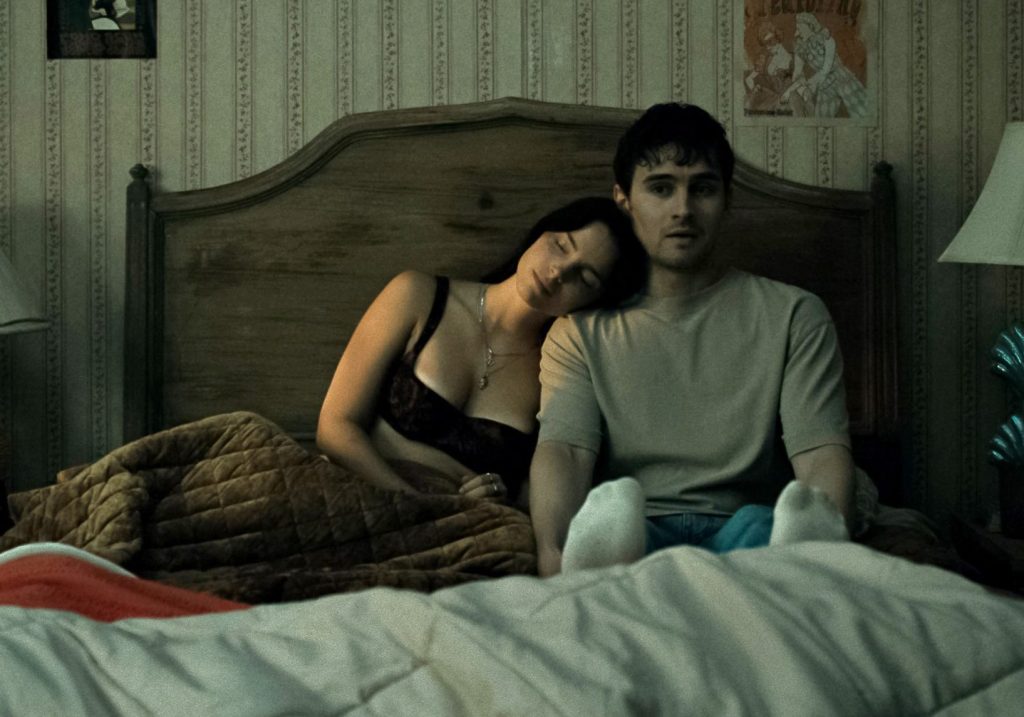
A $750,000 movie with nearly $430 million in worldwide box office became a courtroom exhibit in the fight over Paramount’s planned merger with Warner Bros. Discovery.
At a Friday hearing, lawyers for Paramount and a group of 12 state attorneys general clashed over whether films such as Obsession show that Hollywood’s old studio power map has changed, Deadline reported. The argument came as the attorneys general seek a temporary restraining order or preliminary injunction to stop the deal from closing.
Judge Araceli Martínez-Olguín of the Northern District of California said she would issue a written ruling before July 22, according to Deadline. That date is also when European Union antitrust regulators are expected to give a green light, and it is the earliest the merger could theoretically close.
The blockbuster battle
The states, led by California Attorney General Rob Bonta, argue the deal would hurt competition in three markets: blockbuster films, wide-release movies and cable networks. Their lawsuit says the combined company would hold too much power in those areas, making the merger illegal under antitrust law.
James Weingarten, arguing for the attorneys general, told the court that only the five largest Hollywood studios have the resources to regularly produce, market and distribute blockbuster films. Reducing that group from five to four would hurt theater owners that rely on those releases and could lead to higher ticket prices for moviegoers, he argued, according to Deadline.
Paramount attorney Jeffrey Kessler pushed back by pointing to changes in the movie business. He cited Obsession, from YouTube star Curry Barker, as evidence that a low-budget film outside the traditional blockbuster pipeline can break through. Deadline reported that Kessler called the film’s performance a “real world fact” and “undisputed economic evidence.”
Weingarten dismissed that example as beside the point. He said a breakout hit can happen, but argued that the key issue is which companies can deliver blockbusters consistently.
There was a wrinkle in the example: Obsession was released by Focus Features, the independent film arm of Universal Studios, Deadline noted.
Apple, Amazon and the new contenders
Kessler also cited competition from A24, Neon and streaming companies that have moved into theatrical releases. He mentioned F1 as a successful example, first referring to it as an Amazon film before correcting himself to say it was from Apple, according to Deadline.
Weingarten answered that Apple’s successful big movie was distributed by Warner Bros. He added, “Apple makes cell phones, not movies.”
Kessler also told the court Amazon has committed to releasing 15 films a year in theaters, Deadline reported.
The ticking fee fight
Paramount also pressed the court to move quickly because of a costly deal provision. Kessler asked Judge Martínez-Olguín to skip a temporary restraining order, saying Paramount would not close the merger if she agreed to rule on a preliminary injunction by early September, according to Deadline.
That timing matters because the Ellisons, Paramount’s controlling shareholders, agreed to pay Warner Bros. Discovery shareholders 25 cents in cash per share per quarter for each day the deal remains open beginning Oct. 1. Deadline reported that the fee equals about $7.2 million a day, or $650 million every three months, and was part of the effort to win Warner’s board over to a $110 billion offer.
Weingarten called Paramount’s proposed schedule “unprecedented and unfair,” arguing that the court should not rush the case to help the company avoid a payment it agreed to make. He said competitors and customers need time to be heard in a case Paramount itself has described as “industry transforming.”
Kessler argued that the attorneys general created the time crunch by waiting to file, saying the lawsuit could have been brought weeks earlier.
This story draws on original reporting from Deadline.