China’s car brands find eager buyers on Britain’s roads
Chinese-built cars are gaining ground in the U.K., helped by lower prices, rising exports and buyer interest in tech-filled models.
By Sal Moretti · Money Reporter
3 min read
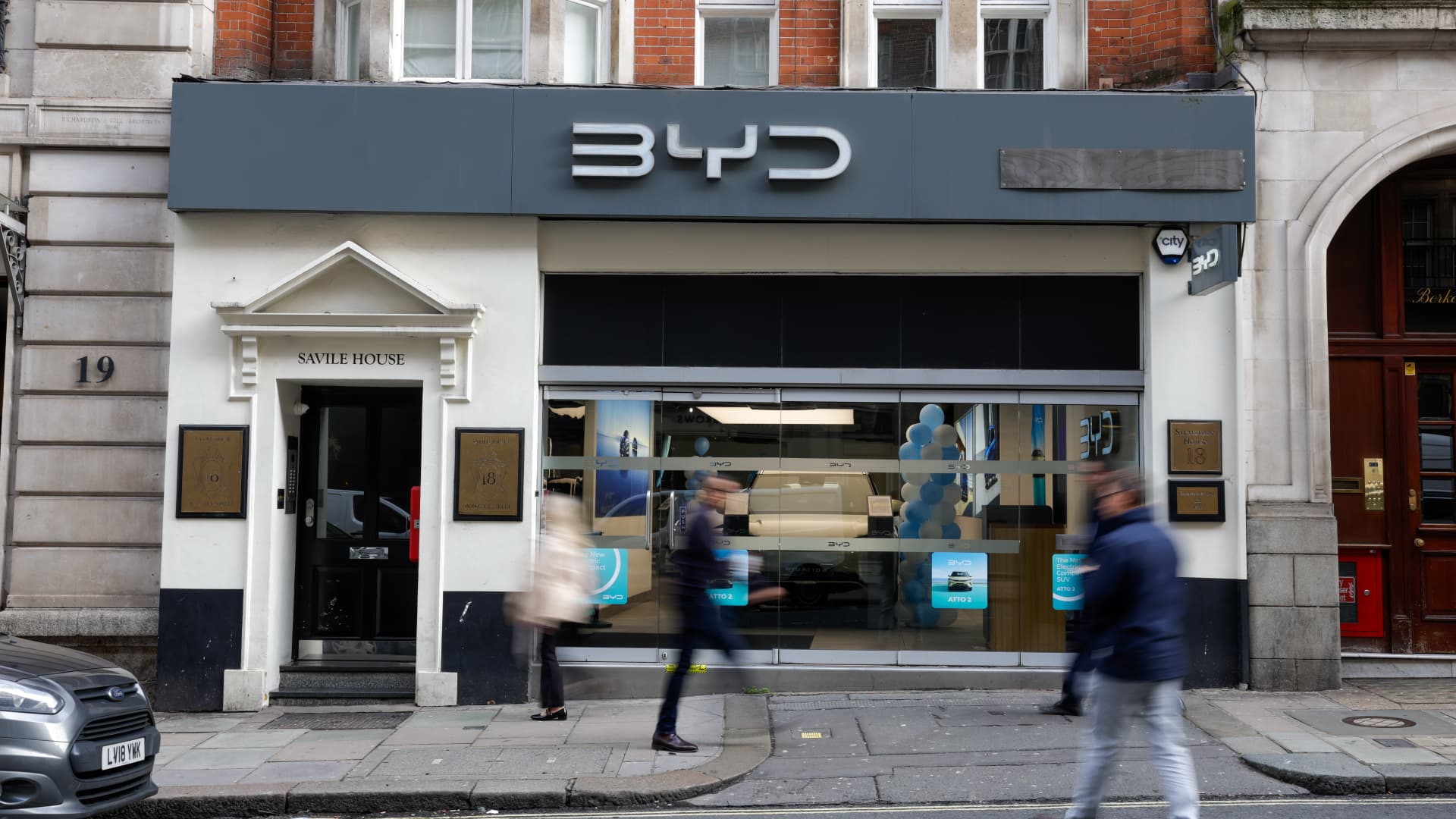
Chinese-built cars have gone from a rare sight in Britain to a fast-growing force on U.K. roads, with buyers drawn by lower prices, generous equipment and a big push from automakers looking beyond China.
CNBC reported from Maidstone, England, where Lipscomb Cars opened a Geely dealership southeast of London within the past year. One recent customer, Izzy Woodrow, bought a Chinese-made vehicle four weeks earlier and told CNBC he liked the comfort, quiet ride, finish and technology.
The numbers show how quickly the market has changed. British buyers purchased just 384 Chinese vehicles imported into the country in 2015, according to automotive consulting firm Mobility Global. By 2020, that figure had risen to 25,302. Last year, it passed 285,000.
At Lipscomb, which CNBC said sells just two Geely models, buyers Chris and Tracy Smith were among those considering the brand. Chris Smith told CNBC the appeal was the value and the amount of equipment compared with some better-known brands that cost more while offering fewer accessories.
From oddity to everyday sight
Will Roberts, an analyst at automotive consulting firm Benchmark, told CNBC that Chinese-made vehicles from companies including BYD no longer feel unusual in Britain. He recalled seeing an early BYD on London Bridge a couple of years ago and said the cars have since become familiar.
The rise in Britain comes as Chinese automakers hunt for buyers overseas. CNBC cited the China Association of Automobile Manufacturers, which said retail auto sales in China fell 26% in the first half of 2026 compared with a year earlier, while auto exports rose 72% over the same period.
Europe has seen more Chinese-built cars and SUVs arrive, but the U.K. has a specific advantage for Chinese brands: unlike the European Union, it does not apply an additional tariff on plug-in hybrid electric vehicles, CNBC reported.
Roberts told CNBC that makes Britain an appealing market because it is moving toward electrification and has demand for cheaper vehicles.
Price is the sharpest weapon
Many Chinese models undercut comparable cars from established automakers by several thousand pounds, according to CNBC. A German-built Volkswagen Tiguan plug-in hybrid sells in the U.K. for just over £43,000, or about $58,000, while the China-built BYD Seal U costs almost £10,000 less.
Legacy automakers, including Detroit’s Big 3, have complained for years that Chinese government subsidies allow Chinese carmakers to sell vehicles at prices rivals in Asia, the U.S. and Europe struggle to match, CNBC reported. Even with those objections, China’s auto exports have continued to grow.
Jon McNeill, a former General Motors board member, told CNBC that Chinese automakers are entering Europe with attractive cars, attractive prices and technology that he said can outpace what buyers find from European manufacturers.
At the Geely dealership in Maidstone, dealer John Panda-Noah told CNBC that competitive pricing may bring shoppers in, but he believes the cars’ design, finish and technology help close the sale. He said customers are impressed when they see the vehicles in person.
For Britain’s car market, the message is getting harder to miss: Chinese brands are no longer hovering at the edge of the forecourt. They are on the lot, on the charger and, increasingly, in the driveway.
This story draws on original reporting from CNBC.