Lettuce outbreak sends restaurants scrambling to rewrite salad menus
Restaurants are tossing greens and waiting on health guidance as the CDC links a cyclospora outbreak to shredded iceberg lettuce served at Taco Bell.
By Frankie Delgado · News Reporter
4 min read
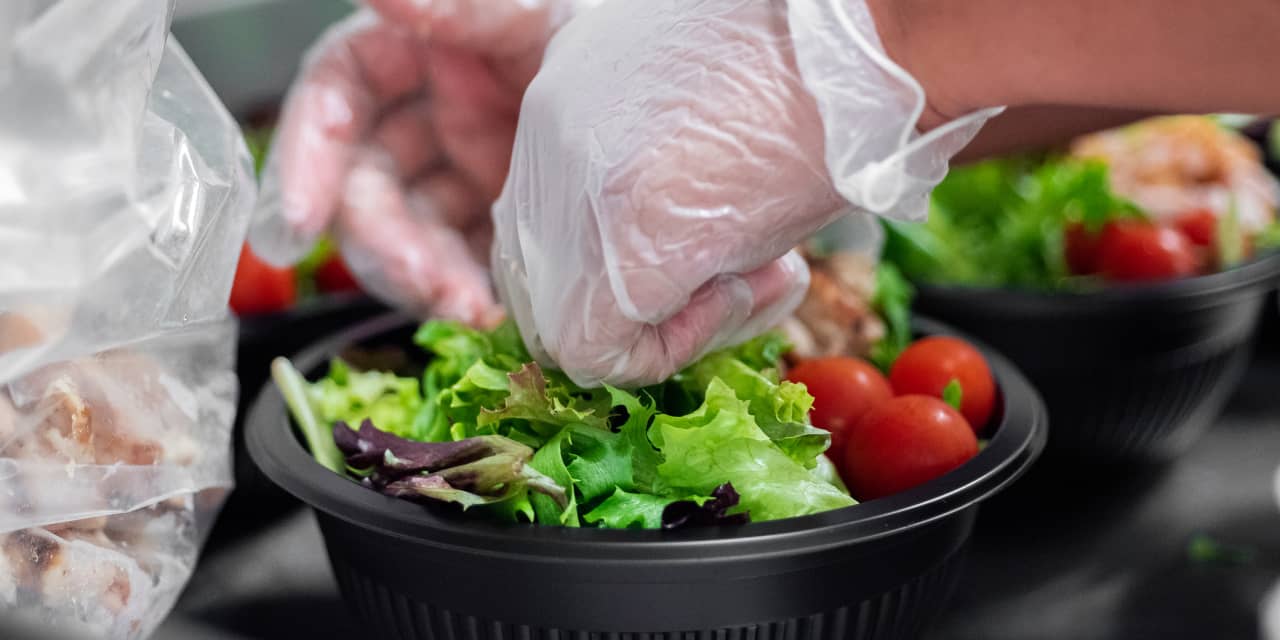
Bagged salad mix is hitting the trash at some independent restaurants as a nationwide cyclosporiasis outbreak forces kitchens to rethink anything green, crunchy and raw.
At Guardian Brewing Co. in Muncie, Indiana, general manager Dawn Brand Fluhler told MarketWatch that staff discarded bagged salad mix and temporarily took salads off the menu. Raw vegetables including green peppers, green onions, tomatoes and mushrooms were also paused unless they were cooked.
Fluhler said the restaurant has been preparing about two-thirds of its usual amount of produce while it waits for more government guidance. Customers have not pushed back much, she said, even among regulars who usually order salads or loaded nachos with vegetables.
The CDC has linked the outbreak to shredded iceberg lettuce served at Taco Bell in Indiana, Kentucky, Michigan, Ohio and West Virginia. The agency reported 1,644 confirmed cases and 94 hospitalizations, with no deaths reported. Michigan’s health and human-services department has counted more than 5,000 cyclosporiasis cases, though state and federal totals can differ while cases are confirmed.
The CDC has advised people not to eat shredded iceberg lettuce from the five affected states. The agency said the FDA is working with the supplier to determine whether contaminated lettuce was distributed elsewhere.
Small restaurants pull greens while they wait
Mamas’ Pizza and Gelato in Milltown, Indiana, told MarketWatch it had thrown out lettuce and other greens, was serving spinach only when cooked, and would not buy more until the outbreak was over.
At the Red B Restaurant in Idabel, Oklahoma, owner Benedette Hardwick said the kitchen had temporarily removed items including kale, parsley, green onion, raw broccoli, spinach and cilantro. She said Friday morning that she was still sorting through reports about what health officials had found.
Hardwick said the restaurant has posted about the outbreak on social media and put notices on its doors explaining which items were removed. Some customers have skipped vegetables on burgers and sandwiches, she said, but salad sales had not fallen.
Taco Bell, owned by Yum Brands, said Thursday it would indefinitely remove potentially affected lettuce from a supplier in select states and replace it within 24 hours in those states. The company said the move was being made out of caution.
Taylor Farms did not immediately respond to MarketWatch’s request for comment. In a statement on its website, the company said it was voluntarily pulling all iceberg lettuce sourced from central Mexico from the U.S. market. Taylor Farms said FDA traceback work pointed to a specific independent farm that accounts for less than 1% of U.S. iceberg lettuce supply, and said its branded salads and kits do not contain iceberg lettuce and are not tied to the outbreak.
Wall Street watches the fallout
Yum Brands shares finished about 2.8% lower Friday. BMO analyst Andrew Strelzik wrote in a Friday research note that Taco Bell could face near-term pressure on comparable-store sales, adding that the chain generates about 40% of Yum’s divisional operating profit.
Strelzik also noted that shredded lettuce appears across much of Taco Bell’s menu, making the potential disruption broader than a 2024 McDonald’s E. coli outbreak tied to Taylor Farms onions used in Quarter Pounders. McDonald’s shares ended Friday down 2.1%.
Placer.ai, which tracks visits to restaurants and retailers, said early foot-traffic data showed some softness. The firm said Taco Bell traffic was 2.3% above a typical Tuesday on July 7, then 5.8% below a typical Saturday on July 11 as outbreak concerns spread. Placer.ai also reported similar drops at Panera Bread, Chopt and Sweetgreen.
Sweetgreen shares jumped 13.8% Friday after a four-session slide. The company told customers on X that it does not use iceberg lettuce and said none of its ingredients had been identified as part of the investigation.
Tyler Evans, a physician and co-founder of the Wellness Equity Alliance, told MarketWatch that outbreaks depend on doctors, interviewers, inspectors and epidemiologists asking the right questions and tracing ingredients through supply chains. He said a system that identifies a contaminated product only after thousands of people report illness is documenting harm rather than preventing it.
This story draws on original reporting from MarketWatch.