Mortgage shoppers may be leaving $3,300 a year on the table
A Bankrate study found 87% of 2025 buyers took pricier home loans than they qualified for, making rate shopping a key cost lever.
By Frankie Delgado · News Reporter
3 min read
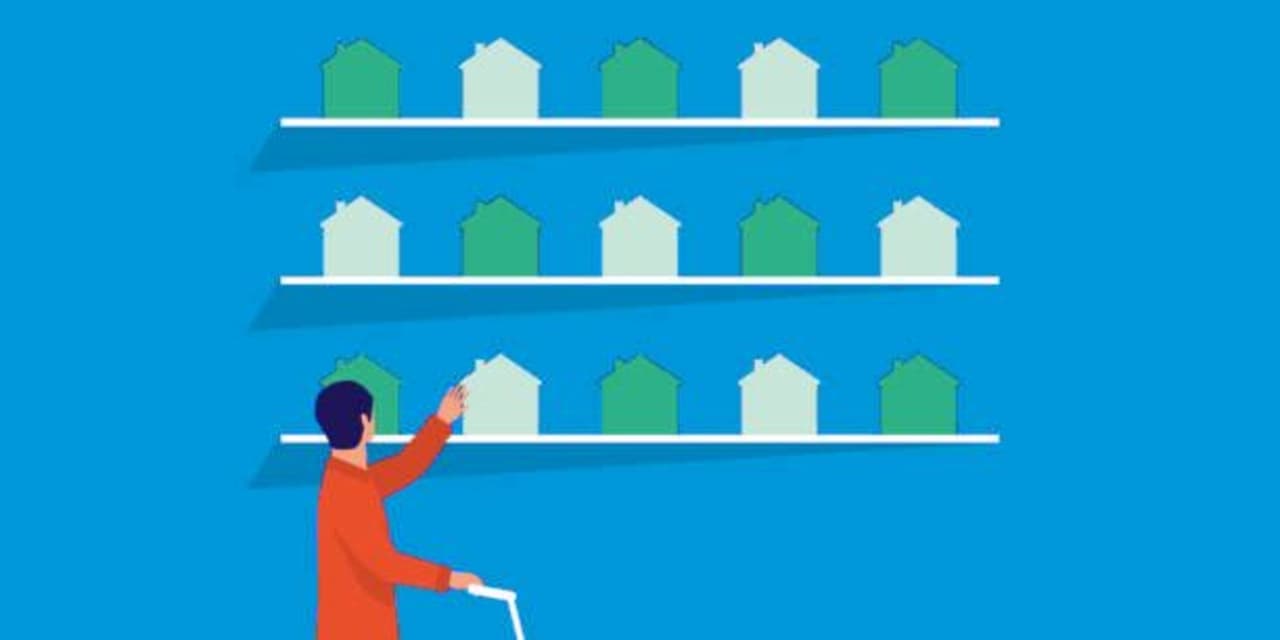
Home buyers who grab the first mortgage offer may be paying dearly for the shortcut.
A Bankrate study found that 87% of buyers who took out mortgages in 2025 ended up with loans costlier than what they could have qualified for. The typical borrower paid more than $3,300 a year in extra loan costs, according to Bankrate.
The stakes are sharper because borrowing costs have climbed. MarketWatch reported mortgage rates at 6.55%, their highest level in a year, while existing-home prices hit a record in June. The National Association of Realtors put June’s median home sale price at $440,600.
Small rate differences can do real damage over a 30-year loan. MarketWatch calculations for a $440,600 fixed mortgage showed a monthly principal-and-interest payment of $2,001 at 5.5%, $2,113 at 6% and $2,228 at 6.5%. Over the life of the loan, total interest would rise from $368,003 at 5.5% to $449,569 at 6.5%.
Start before the loan hunt
Mike Litt, consumer campaign director at the Public Interest Research Group, said buyers should review credit reports from all three national credit bureaus before applying, especially for unfamiliar accounts, loans or inquiries. Litt said errors can hurt a score and raise mortgage costs, or block approval altogether.
After that, buyers can request preapprovals from multiple lenders. Those estimates help compare how much a lender may offer and what rate it may charge.
Kimber White, president of the National Association of Mortgage Brokers, said a lender recommended by an agent, builder, friend or relative should be treated as a starting point. He said buyers should decide knowingly if convenience is worth a higher cost.
Where to shop
Bankrate data analyst Alex Gailey recommends getting at least three quotes on the same day, so the numbers reflect the same rate environment.
Banks may charge fewer fees because there is no broker in the middle, and community banks can offer local service. Jack Hopkins, CEO of CorTrust Bank in Sioux Falls, S.D., said his bank services its mortgage loans, so customers can call or visit after closing.
Credit unions often offer the lowest rates and fees, according to Andrew Pizor, a senior attorney at the National Consumer Law Center. He also said they can have tougher qualification rules, including credit-score, cash-reserve or debt-to-income requirements, and borrowers must qualify for membership.
Mortgage brokers compare wholesale lenders for borrowers, White said. Pizor warned that brokers are often paid based on loan size and may not be required to find the cheapest loan. Lindsay Frangie, a Georgia-based branch partner at Alcova Mortgage and former broker, said borrowers should ask how many lenders a broker checked.
Direct lenders include large online brands and local correspondent lenders. Gailey said big online lenders can be fast but may offer less personal guidance. Frangie said correspondent lenders can compare multiple investors while still handling underwriting and funding in-house.
Questions that can cut the bill
- Ask for the APR, which includes upfront fees and can show the fuller cost of a loan.
- Ask whether the lender can beat a competing offer.
- Ask about down-payment assistance, especially for first-time buyers who meet local income rules.
- Ask what each lender fee covers and whether any charges can be reduced.
- Ask whether the quote includes discount points or lender credits.
- Ask how long the loan estimate remains valid.
- Ask who will service the mortgage after closing.
For new construction, Frangie said buyers should compare the whole package, because a builder’s preferred lender may pair a higher rate with incentives that change the math.
Buyers worried about credit checks have some breathing room. The Consumer Financial Protection Bureau says mortgage preapprovals and loan estimates made within a 45-day window count as a single inquiry on a credit report.
Gailey said high prices and elevated mortgage rates leave buyers with one clear tool to reduce housing costs: shopping around.
This story draws on original reporting from MarketWatch.