Senators float Social Security rescue process, not a rescue plan
The PROMISE Act would ask an advisory board to draft a Social Security fix for Congress to vote on, according to MarketWatch.
By Sal Moretti · Money Reporter
3 min read
A bipartisan Senate proposal aimed at Social Security would not itself rescue the program. It would set up a path for someone else to write the rescue plan.
The measure, called the PROMISE Act, has six Senate sponsors and would ask the independent Social Security Advisory Board to produce a plan for shoring up the program, MarketWatch columnist Brett Arends reported. Congress would then vote on that plan.
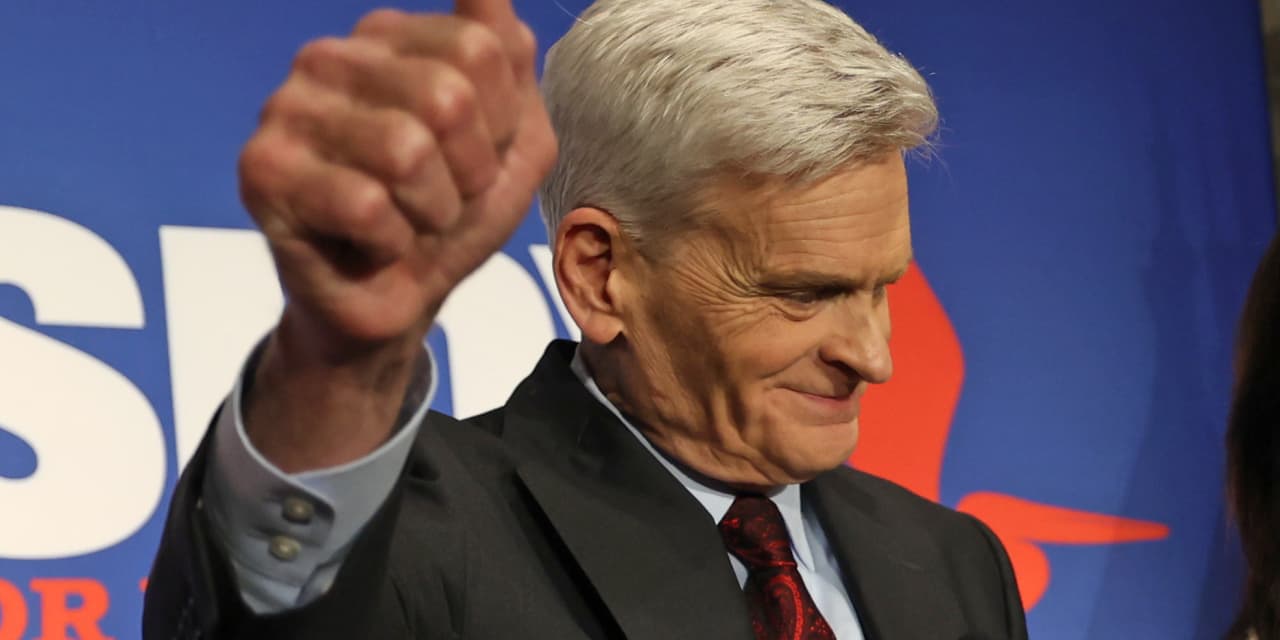
Sen. Bill Cassidy, a Louisiana Republican and one of the sponsors, told MarketWatch the bill “does not dictate what we are going to do” about Social Security. He added: “It does not demand that we actually propose a solution. It sets the stage in case there is a solution.”
Who is behind the bill
The sponsors include three Republicans: Cassidy, Sen. John Cornyn of Texas and Sen. Thom Tillis of North Carolina, according to MarketWatch. The other backers are Democratic Sens. Dick Durbin of Illinois and Tim Kaine of Virginia, plus Sen. Angus King of Maine, an independent.
Four of the six sponsors are leaving the Senate in January, MarketWatch reported. That group includes Cassidy, Cornyn, Tillis and Durbin, who is 81.
Cassidy told MarketWatch that other Republicans in the Senate and House support the proposal. He did not name them in the report.
Any final Social Security overhaul would face a steep climb. MarketWatch noted that a fix would need support from 218 House members, 60 senators and the president’s signature.
Advisory board would get the job
Under the proposal described by MarketWatch, the Social Security Advisory Board would play a role similar to the Greenspan Commission in the early 1980s. That bipartisan panel, led by economist Alan Greenspan, helped shape the last major rescue of Social Security’s finances.
The Social Security Advisory Board advises the president and Congress on Social Security issues, especially technical ones, according to MarketWatch. The board can have as many as seven members, but its website currently lists four: Amy Shuart, Bob Joondeph, Jagadeesh Gokhale and Nancy Altman.
MarketWatch reported that all four current listed members were first appointed under Democratic presidents. Altman is also president of the nonprofit Social Security Works and has been quoted by MarketWatch in the past.
The Social Security Advisory Board did not respond to MarketWatch’s request for comment.
The politics remain the hard part
Arends wrote that the bill’s limited reach reflects the political problem around Social Security as much as the financial one. A long-term fix would likely require a compromise across party lines, with lawmakers accepting some pieces they dislike.
MarketWatch reported that Cassidy declined to say whether Republican colleagues would accept tax increases as part of any Social Security package. Cassidy called the question hypothetical and told MarketWatch it put “the cart before the horse.”
Arends also noted resistance Democrats could face over any benefit reductions, including changes that slow benefit growth or apply only to higher earners.
The report pointed to possible elements of a 1983-style compromise, including some tax increases, caps affecting higher earners and a retirement-age increase over time. Arends framed those as possible examples, not provisions in the Senate bill.
For now, the PROMISE Act is a bid to create a process. The actual Social Security deal, if one emerges, would still have to survive Congress.
This story draws on original reporting from MarketWatch.