Wall Street banks eye fee boom from SpaceX IPO and Iran volatility
Analysts cited by CNBC expect trading and investment-banking revenue to climb as big U.S. banks begin reporting second-quarter earnings.
By Frankie Delgado · News Reporter
3 min read
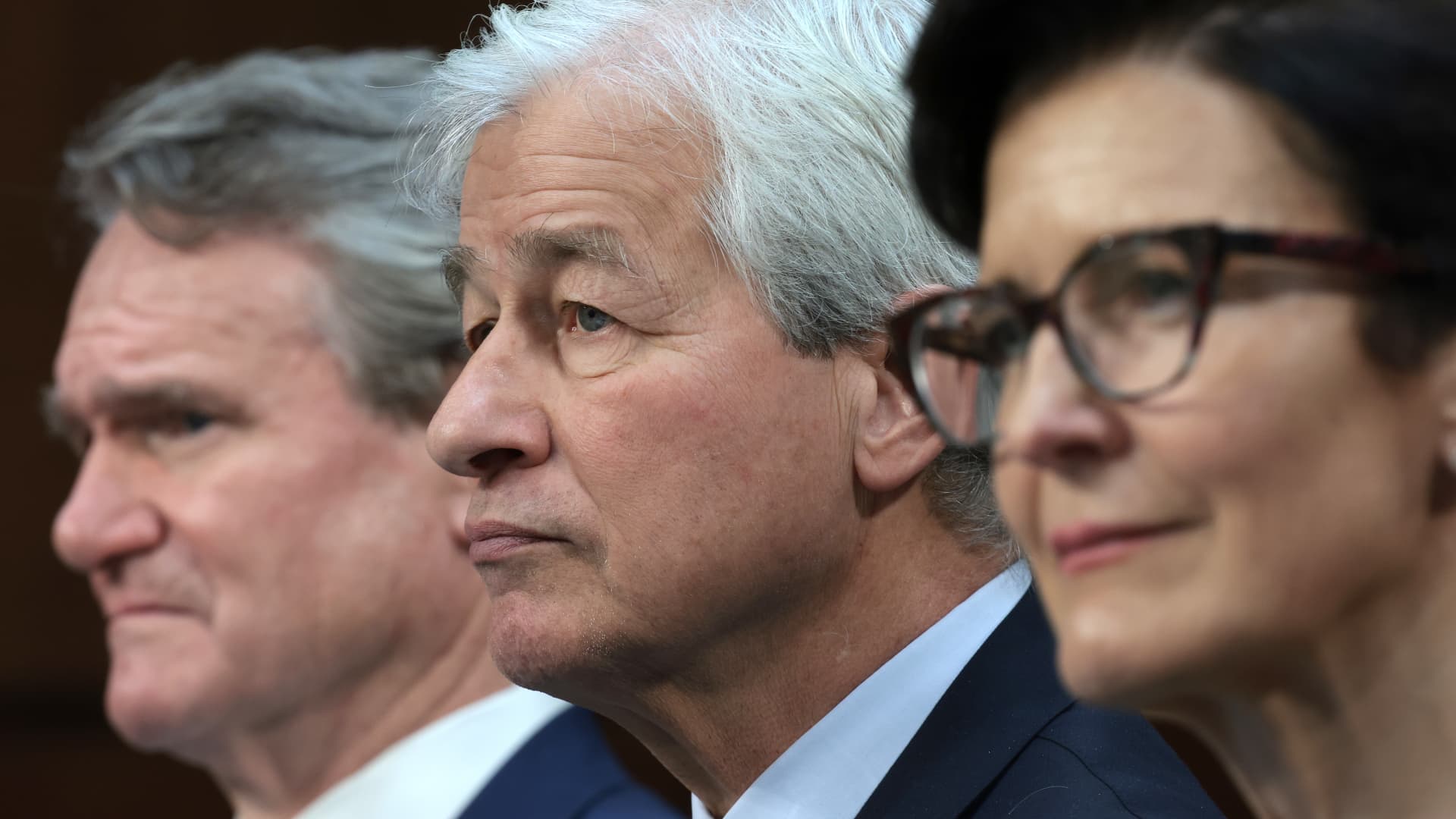
Wall Street’s biggest banks enter second-quarter earnings season with a rare tailwind: the SpaceX IPO, jumpy markets tied to the Iran war and early signs that companies are borrowing again.
JPMorgan Chase, Bank of America, Citigroup, Wells Fargo and Goldman Sachs are scheduled to release results early Tuesday, CNBC reported, with Morgan Stanley due Wednesday. Expectations are high that trading revenue in equities and fixed income could come close to, or top, records reached earlier this year.
Wells Fargo analyst Mike Mayo told CNBC the industry is in a “sweet spot,” with both its Wall Street businesses and its Main Street banking operations expanding at the same time.
KBW analyst Chris McGratty estimates that investment-banking revenue across the group could rise 26% from a year earlier, while trading revenue could increase 14%, according to CNBC.
SpaceX delivers a fee feast
The biggest spark on the dealmaking side was last month’s SpaceX initial public offering, which Mayo described to CNBC as the largest IPO ever. Goldman Sachs and Morgan Stanley led the deal, and CNBC reported that banks collected hundreds of millions of dollars in IPO fees from SpaceX.
Those firms also earned fees from helping the newly public company raise debt, CNBC reported. The banks may also get a chance to manage money for SpaceX employees and investors who became newly wealthy through the listing.
Jay Ritter, professor emeritus of finance at the University of Florida’s Warrington College of Business, told CNBC that Goldman and Morgan Stanley likely benefited from “soft dollars” tied to the SpaceX offering. Ritter described those as payments from hedge funds to banks in exchange for access to shares in an oversubscribed IPO.
Trading desks also had plenty to work with. McGratty told CNBC that equities were strong as stock markets rose during the quarter, while fixed-income activity picked up after the Iran conflict moved oil prices, interest rates and currencies.
Main Street may be waking up
Mayo told CNBC the bigger shift may be outside the trading floor. Commercial lending, sluggish for years, is showing signs of recovery as banks try to take back business from private credit lenders and as artificial intelligence-related corporate spending spreads through the economy.
That could matter even more for regional banks such as Fifth Third, Mayo said, because commercial lending makes up a larger piece of their business than it does at diversified giants like JPMorgan.
Consumer banking also looks steady, according to CNBC. Low unemployment has helped borrowers stay current on mortgages, auto loans and credit cards, which has kept losses in check.
The upbeat backdrop has helped financial stocks beat the wider market for two straight years, Mayo told CNBC. He also said the trend has coincided with the Trump administration’s effort to loosen banking regulations.
Risks remain. McGratty pointed to deposit competition, with some banks paying higher rates to keep or attract savers. If interest rates stay steady or rise, that could squeeze bank margins.
CNBC also noted concern about possible problems in private credit, although that worry has eased for many banks without fresh signs of trouble. JPMorgan CEO Jamie Dimon warned investors last year after the collapse of subprime auto lender Tricolor Holdings that “when you see one cockroach, there are probably more.”
After two years of strong stock performance, McGratty told CNBC that investors may care less about whether the quarter was good and more about whether the boom can keep going into 2027.
This story draws on original reporting from CNBC.