Yen warning puts U.S. tech-stock rally on watch
Michael Kramer says a weak yen, crowded AI trade and low volatility echo the setup that rattled U.S. stocks in July 2024.
By Sal Moretti · Money Reporter
3 min read
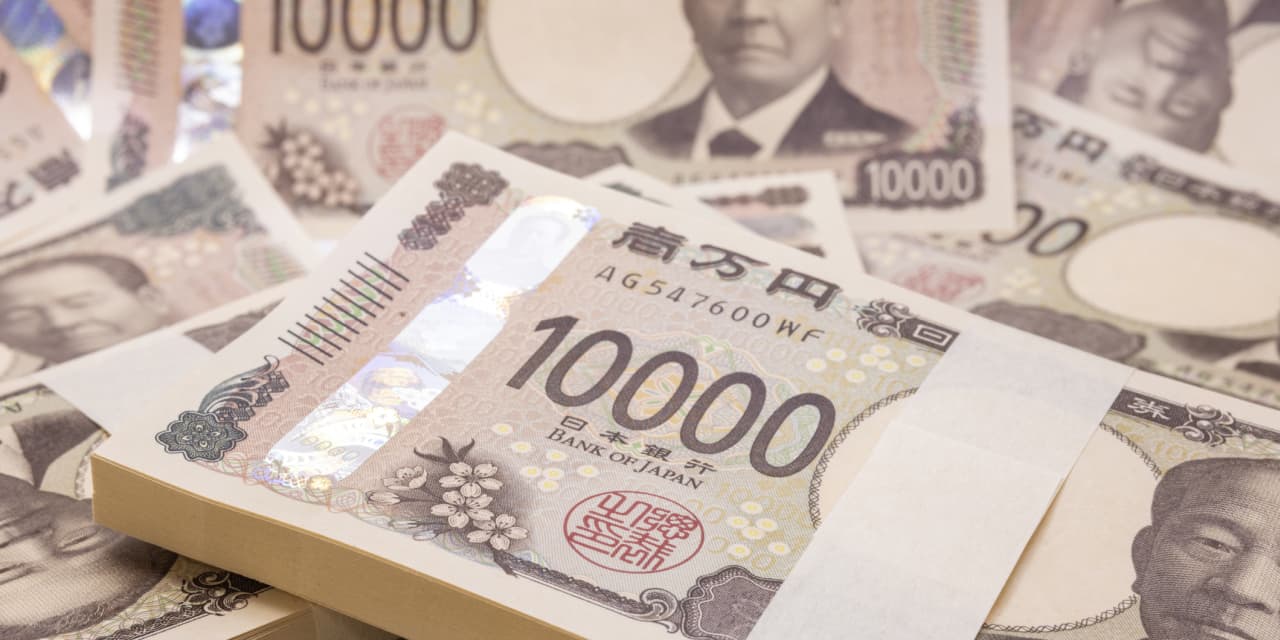
The Japanese yen is again hovering near 162 to the dollar, a level that has Wall Street watching Tokyo and the tech trade at the same time.
Michael Kramer, founder of Mott Capital Management, wrote in a MarketWatch opinion column that the yen’s slide matters for U.S. investors because of the carry trade: investors borrow in yen, convert into dollars and buy U.S. assets, including technology shares. If the yen stays weak and the dollar rises, that trade can deliver gains from both the currency move and the stocks purchased with the proceeds.
Kramer said the yen has weakened sharply against the dollar, with the exchange rate moving from roughly 100 in December 2020 to around 162 now. He argued that Japan’s government has reason to want a steadier currency because a weaker yen can add inflation pressure at home.
Why Tokyo matters to Nasdaq watchers
The worry is that Japan could step into foreign-exchange markets to support the yen, as it did in 2024, according to Kramer’s account. That earlier episode did not unfold in isolation.
In mid-July 2024, the yen had weakened to about 162 per dollar. Kramer wrote that Japanese authorities sold dollars and bought yen, and that the move was followed by a softer U.S. consumer-price report, a surprise Bank of Japan rate increase with a hawkish message, and then a weak U.S. jobs report.
Over roughly two weeks, the yen strengthened to about 144 per dollar from 162, Kramer said. During that same span, the Nasdaq-100 fell nearly 15%.
Kramer linked the damage in U.S. stocks to a market that was already stretched, with leadership concentrated in a narrow group of names. He also pointed to low readings in volatility measures, including the VIX, and low implied correlations, which can suggest that the broader market is not moving in line with the S&P 500.
The 2026 setup has echoes, not a replay guarantee
Kramer said current market conditions resemble parts of that 2024 setup. The dollar-yen rate is around 162 again, and the three-month implied correlation index is below where it stood two years ago, he wrote.
He also flagged the timing. In 2024, the low in implied correlation came on July 3, the same day the dollar-yen rate peaked, according to Kramer. This year, he said the implied correlation index bottomed on July 10, while dollar-yen peaked on July 8.
Even so, Kramer said yen intervention by itself may not be enough to cause another broad selloff. In his view, the 2024 decline reflected several events lining up at once, and those same forces are not currently aligned.
He said a bigger change would likely be needed to force a full unwind of the carry trade. Possible catalysts, in his analysis, include a surprise Bank of Japan rate increase, talk of reduced fiscal spending in Japan, or a sudden weakening in U.S. economic expectations that pressures the Federal Reserve toward rate cuts rather than hikes.
Kramer also warned that stocks could fall for reasons separate from the yen, including a poor earnings season or economic data that raises the prospect of higher rates. With leadership narrow and valuations stretched, he wrote, risk assets may be more exposed to bad news.
His bottom line: a one-off Japanese intervention may only slow the yen’s decline temporarily. Kramer said a more durable shock would come if Japan made major changes to how its pension funds invest and brought overseas holdings back home.
This story draws on original reporting from MarketWatch.