Idaho teen’s death puts trans laws back under scrutiny
May Pollard, a 16-year-old transgender girl in Boise, died by suicide after years of distress that her parents say was worsened by state policies.
By Sal Moretti · Money Reporter
3 min read
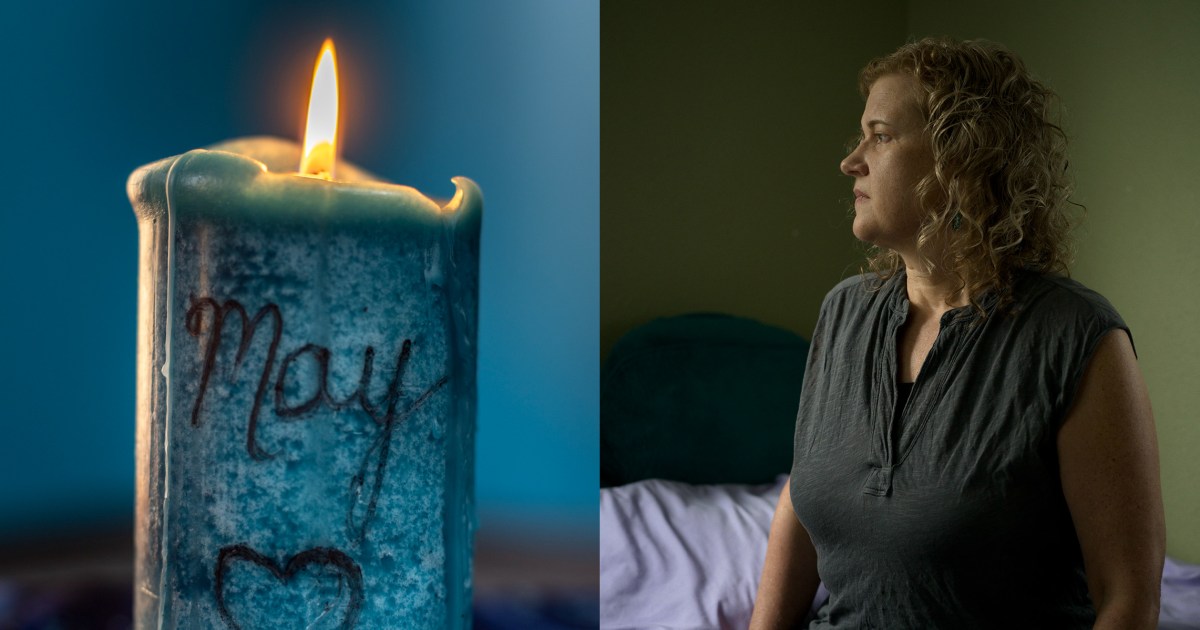
May Pollard was 16 when her mother found her dead inside their Boise home on Jan. 27, after a school year in which the transgender teen had been fighting Idaho’s bathroom restrictions in court.
Her parents, Elyse Thorpe and Joseph Pollard, told NBC News that May’s struggles were intensified by the laws and political rhetoric aimed at transgender people, especially children. Thorpe said the hostility “got inside” her daughter.
Suicide has many causes and cannot be tied to a single event or policy. But May’s family, court filings and messages described by NBC News show a teenager under strain as Idaho and other conservative-led states moved to restrict transgender rights.
A teenager caught in a political fight
May was an avid gamer and poet who wanted to blend into high school life, according to her family. She had come out as a transgender girl in eighth grade, and her parents supported her name change, therapy and eventual medical care.
Idaho law barred transgender minors from receiving treatments including puberty blockers and hormone therapy, according to the state legislation cited by NBC News. May’s pediatrician referred her to care in Oregon, and Thorpe took her to Portland when May was 15 so she could begin estrogen.
Thorpe told NBC News the treatment seemed to lift May’s will to live, but prescription delays made her anxious and withdrawn. After President Donald Trump took office and began restricting gender-affirming care for young people, Thorpe said she drove more than 13 hours round trip to appointments because she feared creating a federal travel record tied to treatment.
At school, May also struggled with Idaho’s 2023 law barring transgender students in K-12 schools from using bathrooms and locker rooms matching their gender identities. NBC News reported that May was directed to use gender-neutral restrooms, including one in the nurse’s office and another across campus.
In a court affidavit, May wrote that being sent to a separate restroom felt ostracizing and that she did not want others to know she was transgender without her consent. She said she wanted “to fit in” and use the same restroom as other students.
Idaho’s wave of legislation
According to the American Civil Liberties Union, Idaho lawmakers proposed more than four dozen bills affecting LGBTQ rights in the final years of May’s life, and Gov. Brad Little signed 15 into law. The measures included limits on transition-related care for minors and restrictions on classroom instruction involving sexual orientation or gender identity.
Supporters of the laws have argued they are meant to protect children and student privacy. Republican state Rep. Bruce Skaug, who sponsored Idaho’s transition-care ban for minors, said when the measure passed the House in 2022 that lawmakers needed to stop “sterilizing and mutilating children under the age of 18,” according to KTVB.
The bathroom law was challenged by Lambda Legal on behalf of students. A federal district court declined to block it, a 9th Circuit panel later paused it, and another panel allowed it to take effect in spring 2025 after accepting Idaho’s privacy arguments, NBC News reported.
May joined the lawsuit last summer under the pseudonym Jane Doe. After her death and the graduation of the other remaining plaintiff, her lawyers moved to dismiss the case in May.
Idaho Attorney General Raúl Labrador then said in a press release that the state had defended “Idaho’s right to protect students’ privacy in bathrooms and locker rooms” and that the law remained in effect. NBC News reported that the release did not mention May’s death and that Labrador’s office did not respond to requests for comment.
This story draws on original reporting from NBC News.