Mary Peltola leads Alaska Senate race as ranked-choice path narrows for Sullivan
NBC News says Peltola was likely to win Alaska’s Senate race, with her lead leaving Dan Sullivan little room in either count.
By Sal Moretti · Money Reporter
2 min read
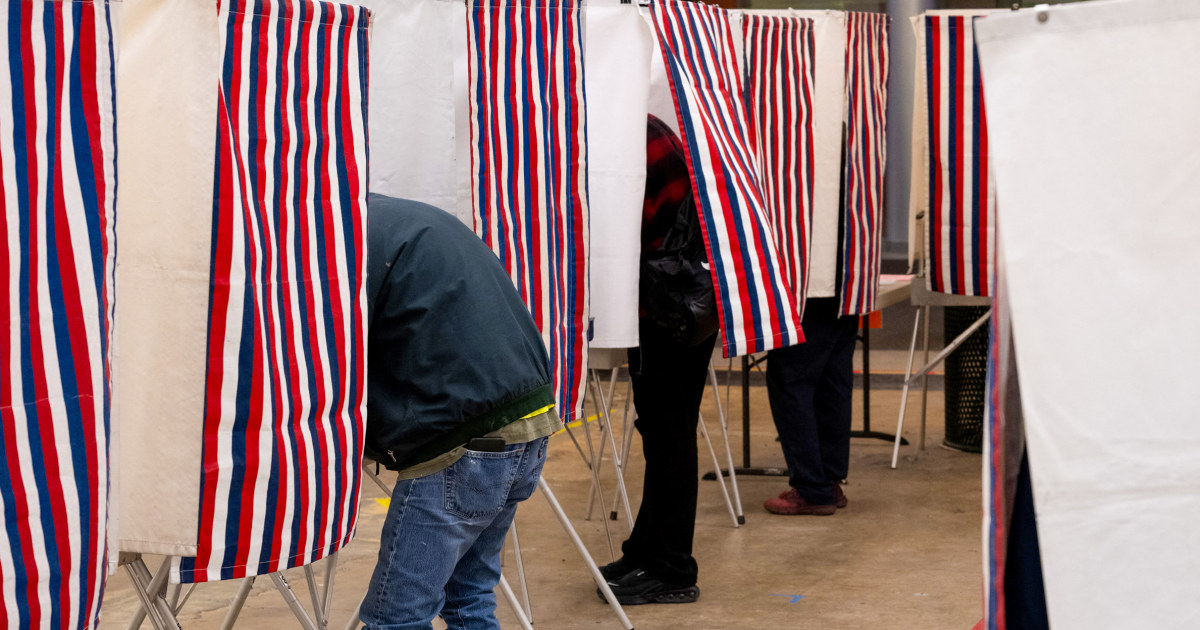
The Mary Peltola Alaska Senate race was leaning toward the Democratic challenger on Nov. 14, according to an NBC News Decision Desk analysis, though Alaska had not yet completed its count. Peltola led Republican Sen. Dan Sullivan by 3.7 percentage points, or a little more than 10,000 votes, with 96% of the expected vote counted.
NBC said it considered Peltola likely to win, but stressed that a final answer could wait until Nov. 18. Final mail absentee ballots were due that day, and Alaska’s Division of Elections was scheduled to run a ranked-choice tabulation if no candidate cleared 50%.
Can Mary Peltola win Alaska without ranked-choice voting?
Yes. NBC’s analysis said Peltola needed 53.8% of roughly 12,000 outstanding ballots to take more than half the vote and win outright. That threshold was plausible based on the latest reported batch, in which she won 58%, NBC reported.
Sullivan’s direct route back was far steeper. He would have needed about 92% of the outstanding ballots just to draw even on first-choice votes, according to NBC. That was about 46 points above his performance in the count so far; he received 38% of the latest batch.
Why ranked choice was unlikely to change the result
If nobody wins a majority, Alaska eliminates the lowest-finishing candidates one at a time. Votes then move to each voter’s next-ranked candidate. A ballot that does not name either remaining contender is “exhausted,” meaning it no longer counts in the final head-to-head tally.
That last detail put a tight limit on Sullivan’s potential recovery, NBC’s analysis found. About 11,300 already-counted ballots had first choices other than Peltola or Sullivan, a pool that could reach about 12,000 after the remaining votes arrived.
To erase a deficit of roughly 10,000 votes, NBC calculated that Sullivan would need to gain a net 10,400 ballots from that possible pool, about 93%. Yet the outlet’s review of Alaska Division of Elections cast-vote records found that more than 45% of voters who selected Gerald Heikes, Dan J. Sullivan Jr. or a write-in candidate did not rank either finalist later.
Those voters’ ballots would be exhausted rather than sent to Peltola or Sullivan. If that pattern held, NBC estimated that only about 6,600 ballots would transfer to the two leading candidates. Under that condition, a final first-choice Peltola lead larger than 6,600 votes could not be erased through ranked choice.
The estimates were NBC’s projections from votes counted and ballots still outstanding, not a certified state result. The outlet said it would continue assessing incoming ballots before deciding whether to make an official race projection.
This story draws on original reporting from NBC News.