Apple Upgrade program brings Klarna leases to iPhone, Mac and iPad
Apple’s new U.S. leasing plan covers iPhone, Apple Watch, Mac and iPad, with monthly payments, trade-ins and end-of-term choices.
By Poppy Nakagawa · Culture Writer
4 min read
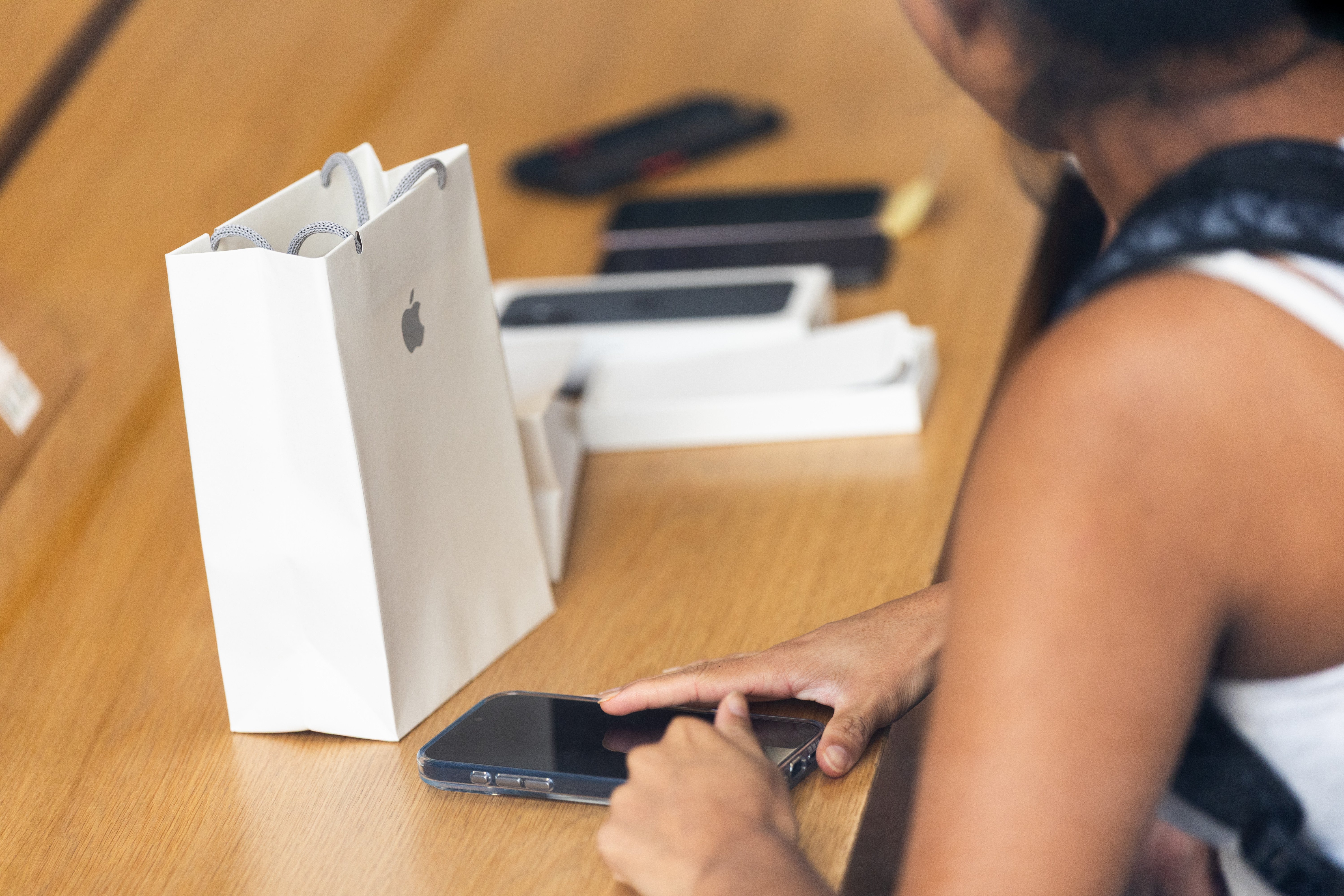
The Apple Upgrade program is now live in the United States, giving shoppers a lease option for iPhone, Apple Watch, Mac and iPad through Apple’s website, the Apple Store app and Apple retail stores, according to Apple.
The plan, launched July 28, replaces the iPhone Upgrade Program for new customers as that older offer winds down. Apple has also moved the financing side from Citizens One to Klarna.
This is a real lease, according to Apple’s program details. Customers pay monthly to use a device for a set period, then choose whether to upgrade, buy the device for a purchase fee, or return it.
What is the Apple Upgrade program?
Apple Upgrade is a Klarna-backed device leasing program for U.S. customers who want to use eligible Apple hardware for 12, 24 or 36 months, depending on the product. It differs from the previous iPhone Upgrade Program because customers do not automatically own the device at the end of the term.
If a customer takes no action when the lease ends, Apple says the lease can shift to a month-to-month setup for as long as six months. Payments may rise during that extension period.
Which Apple devices are covered?
Apple says the program covers most current models across four product lines. Eligible devices include the iPhone 17, iPhone 17e, iPhone 17 Pro, iPhone Air, Apple Watch Series 11, Apple Watch Hermès Series 11, Apple Watch Ultra 3, Apple Watch Hermès Ultra 3, M5 MacBook Air, M5 MacBook Pro, M4 iPad Air and iPad mini with the A17 Pro chip.
Some products are left out. The excluded list includes the iPhone 16, iPhone 16 Plus, Apple Watch SE, MacBook Neo, Mac mini, iPad with A16, Studio Display and Vision Pro.
Lease lengths vary by category. Apple says iPhone and Apple Watch leases are available for 12 or 24 months, while Mac and iPad leases run 24 or 36 months. Not every term is offered for every device.
How much does it cost?
Apple lists starting monthly prices of $17.99 for iPhone, $11.99 for Apple Watch, $24.99 for Mac and $11.99 for iPad. The final payment depends on the device, storage option and lease length.
No security deposit is required, according to Apple. Customers can also use Apple Trade In to reduce the monthly cost by handing over their current device.
AppleCare is separate. Unlike the older iPhone Upgrade Program, AppleCare is not automatically included with Apple Upgrade, though customers can add AppleCare+ or AppleCare One for coverage including accidental damage, theft, loss and battery service.
Who can sign up?
Apple says customers must be U.S. residents, at least 18 years old, and have a valid Social Security number or ITIN. They also need an Apple Account in good standing, a Klarna account and an accepted credit or debit card.
For iPhone leases, customers must enroll with a postpaid plan from AT&T, T-Mobile or Verizon. Prepaid plans do not qualify, though Apple says leased iPhones are unlocked.
Klarna uses a soft credit inquiry, according to Apple’s program details, which does not affect a customer’s credit score. Approval and monthly pricing depend on Klarna’s creditworthiness review.
What happens to current iPhone Upgrade Program members?
Existing iPhone Upgrade Program members do not have to switch. Apple says they can keep paying under their Citizens One agreement, and after the 24-month term ends, the iPhone is theirs without an added purchase fee.
When those customers want another iPhone, they can move to Apple Upgrade, use Apple Card Monthly Installments, buy outright or use carrier financing. Apple Card payments made for Apple Upgrade earn 3 percent Daily Cash back, while Apple Card Monthly Installments remain a separate way to buy over time.
What if a payment is missed?
9to5Mac recently reported that iOS 27 beta code suggested Apple and lenders could restrict leased phones after missed payments. Apple Upgrade’s terms do not include that feature, according to the program details cited in the report.
Missed payments are added to the next month’s bill. MacRumors reports that there are no late fees, but Klarna can terminate the contract after three missed payments.
This story draws on original reporting from Mashable.