CDC nominee faces vaccine litmus test as senators unload on RFK Jr.
Dr. Erica Schwartz told senators she would not compromise on science, but key lawmakers pressed her over vaccines, outbreaks and Kennedy’s record at HHS.
By Poppy Nakagawa · Culture Writer
3 min read
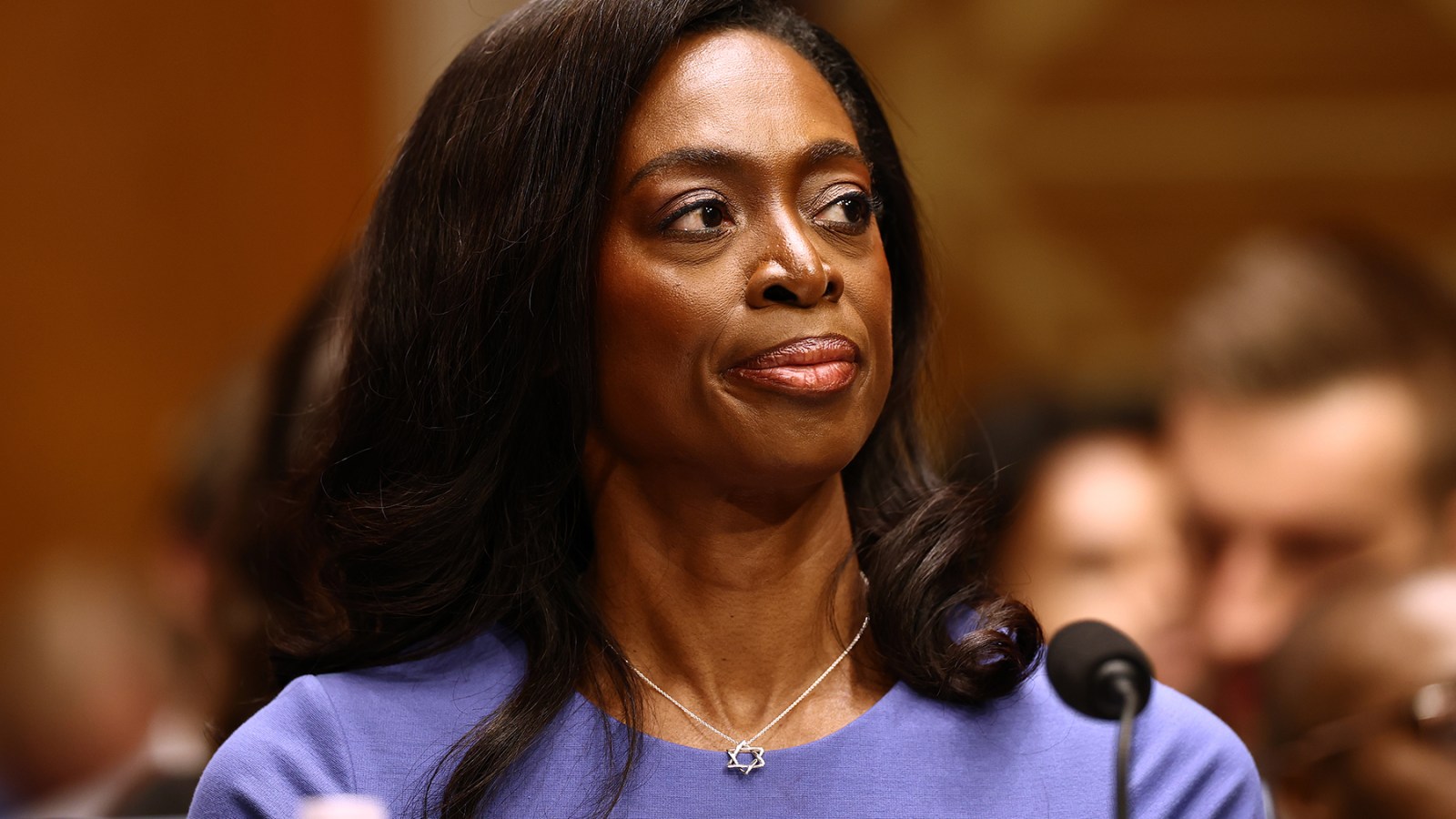
Dr. Erica Schwartz’s bid to run the Centers for Disease Control and Prevention ran straight into a Senate warning flare Wednesday: back vaccines without waffling, or lose votes.
At a two-hour hearing of the Senate Health, Education, Labor and Pensions Committee, Schwartz, President Donald Trump’s nominee for CDC director, faced sharp questions from lawmakers in both parties over whether she would stand up to Health Secretary Robert F. Kennedy Jr. and defend established public health measures.
Committee Chairman Bill Cassidy, a Louisiana Republican and physician, opened with a bright-line test for both Schwartz and Sean Kaufman, Trump’s pick to lead the Administration for Strategic Preparedness and Response at the Department of Health and Human Services. Cassidy told the nominees that vaccines save lives and warned that “any equivocation” on that point would cost them his support.
Schwartz, a Coast Guard doctor with an MD, a law degree and a master’s in public health, repeatedly tried to reassure senators that she would follow science while also avoiding direct criticism of Trump or Kennedy.
“I will never compromise on the science,” Schwartz told Cassidy, adding that she would keep the public’s health in mind. Cassidy was not satisfied. He told her the country needs a CDC director who will push back against “crazy, stupid things” that damage confidence in immunization, then asked whether she was that person.
Kennedy’s shadow over the hearing
The hearing landed after a rough stretch for federal health agencies under Trump’s second administration, according to Rolling Stone. Cassidy cast the decisive vote in February 2025 to confirm Kennedy as health secretary, the outlet reported.
Rolling Stone reported that former CDC director Dr. Susan Monarez was confirmed in late July 2025 and forced out by Kennedy about a month later after she refused to sign off on recommendations from a vaccine advisory committee Kennedy had previously cleared out and refilled with allies. The report did not cite a response from Kennedy.
The outlet also reported that several senior health officials have since been laid off or resigned in protest, leaving agencies and divisions thinly staffed or without permanent leadership. As of the hearing, there was no Senate-confirmed CDC director, FDA commissioner, National Institute of Allergy and Infectious Diseases director, or surgeon general, according to the report.
Sen. Bernie Sanders, an independent from Vermont, pressed Schwartz to say whether she would alert Congress if Kennedy or anyone else in the Trump administration directed her to carry out policies she viewed as unscientific and dangerous to Americans’ health.
Schwartz answered that she did not believe the president or secretary would do that. Sanders interrupted her with, “Really?”
Outbreak questions pile up
Senators also pushed Schwartz on active public health threats, including an Ebola outbreak in the Democratic Republic of Congo and a cyclospora outbreak in the United States.
Sen. Patty Murray, a Washington Democrat, asked Schwartz why the CDC ended mandatory tracking of the cyclospora parasite last July. Murray said there were already more than 7,000 confirmed or under-investigation cases and more than 100 hospitalizations, with no single cause identified.
Asked whether there was any scientific or medical reason for ending mandatory reporting of the parasite, Schwartz replied, “First I’ve heard of that.”
Rolling Stone reported that senators also raised the hepatitis B birth-dose vaccine and a flu outbreak at a Texas Air Force base tied in the report to Defense Secretary Pete Hegseth’s opposition to a flu vaccination mandate on readiness grounds. The report did not cite a response from Hegseth.
Near the end of the hearing, Cassidy told Schwartz he personally liked her but had to represent the public health of the United States so it would not be taken over by people driven by ideology and lawsuits rather than disease prevention.
After the hearing, Schwartz’s confirmation remained unresolved.
This story draws on original reporting from Rolling Stone.