San Diego Zoo Safari Park welcomes rare echidna puggle pair
The park says the two baby echidnas are a first for an accredited North American zoo facility under the circumstances.
By Poppy Nakagawa · Culture Writer
2 min read
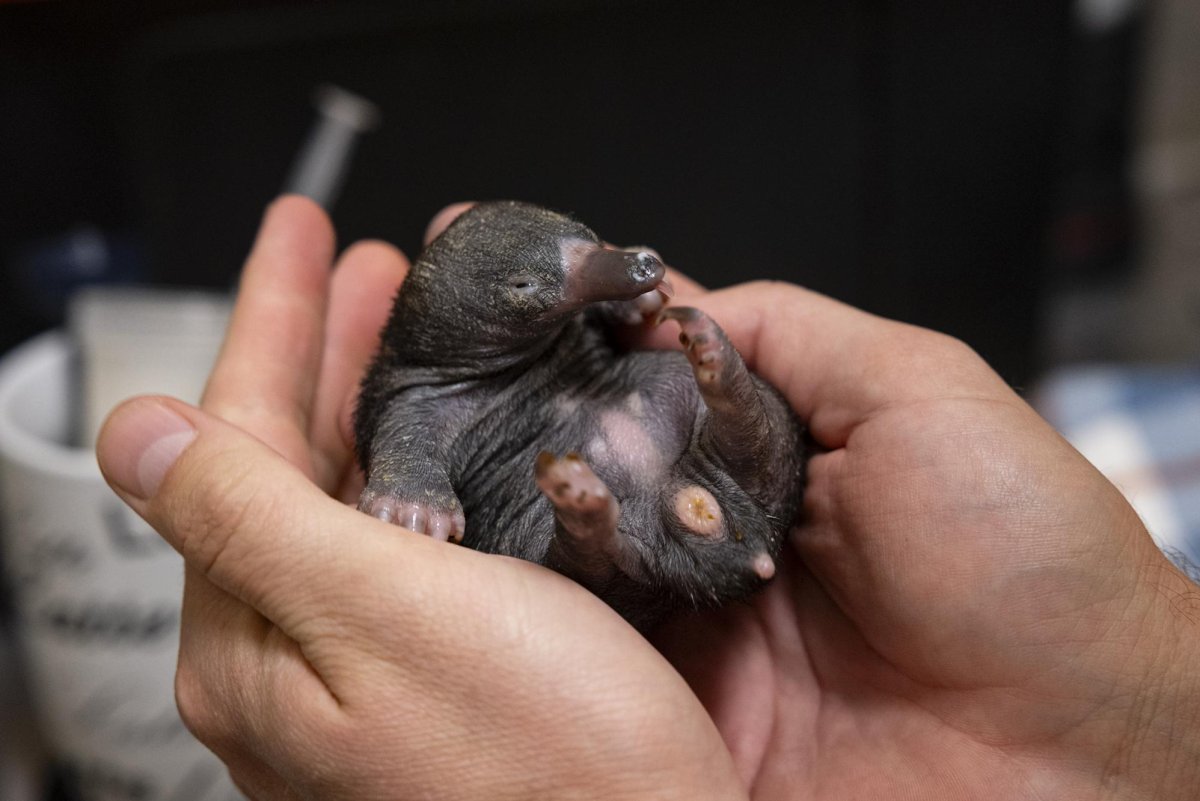
San Diego Zoo Safari Park has welcomed a rare pair of baby echidnas, with one tucked into an underground burrow with its mother and the other getting round-the-clock care from veterinary staff.
The park announced the hatchings Thursday, according to UPI. Echidnas are egg-laying mammals native to Australia and New Guinea, and their babies are known as puggles.
The zoo described the new arrivals as echidna “twins,” saying they are the first such pair to hatch from eggs laid by the same mother during the same mating season at an Association of Zoos and Aquariums facility in North America.
The mother, Kathryn, is raising one of the puggles in a burrow, officials said. The second puggle was moved to the Safari Park’s Harter Veterinary Care Center because it was smaller and considered more vulnerable, according to the zoo.
Veterinarians have been monitoring the smaller puggle closely. The zoo said the care team has been performing regular ultrasounds of the animal’s stomach to track how quickly it digests formula.
That information is being used to build a feeding schedule tailored to the puggle’s needs, officials said. The park said the work could also help guide future care for the species.
“This breakthrough will help shape how echidnas are cared for at the Safari Park and across SDZWA's Australian Forest Conservation Hub,” the zoo said.
The park did not announce names for the puggles in the report, and officials did not provide further details on their size or condition beyond the smaller puggle’s need for hand-raising.
The hatchings add a rare entry to the Safari Park’s animal care work, with the team splitting duties between natural maternal care in the burrow and intensive veterinary support at the care center.
This story draws on original reporting from UPI.