Steve Lacy’s ‘Oh Yeah?’ took three years, one breakup and a new crush
The musician told Rolling Stone his new album moved from heartbreak to romance as he learned to trust the songs instead of forcing them.
By Poppy Nakagawa · Culture Writer
3 min read
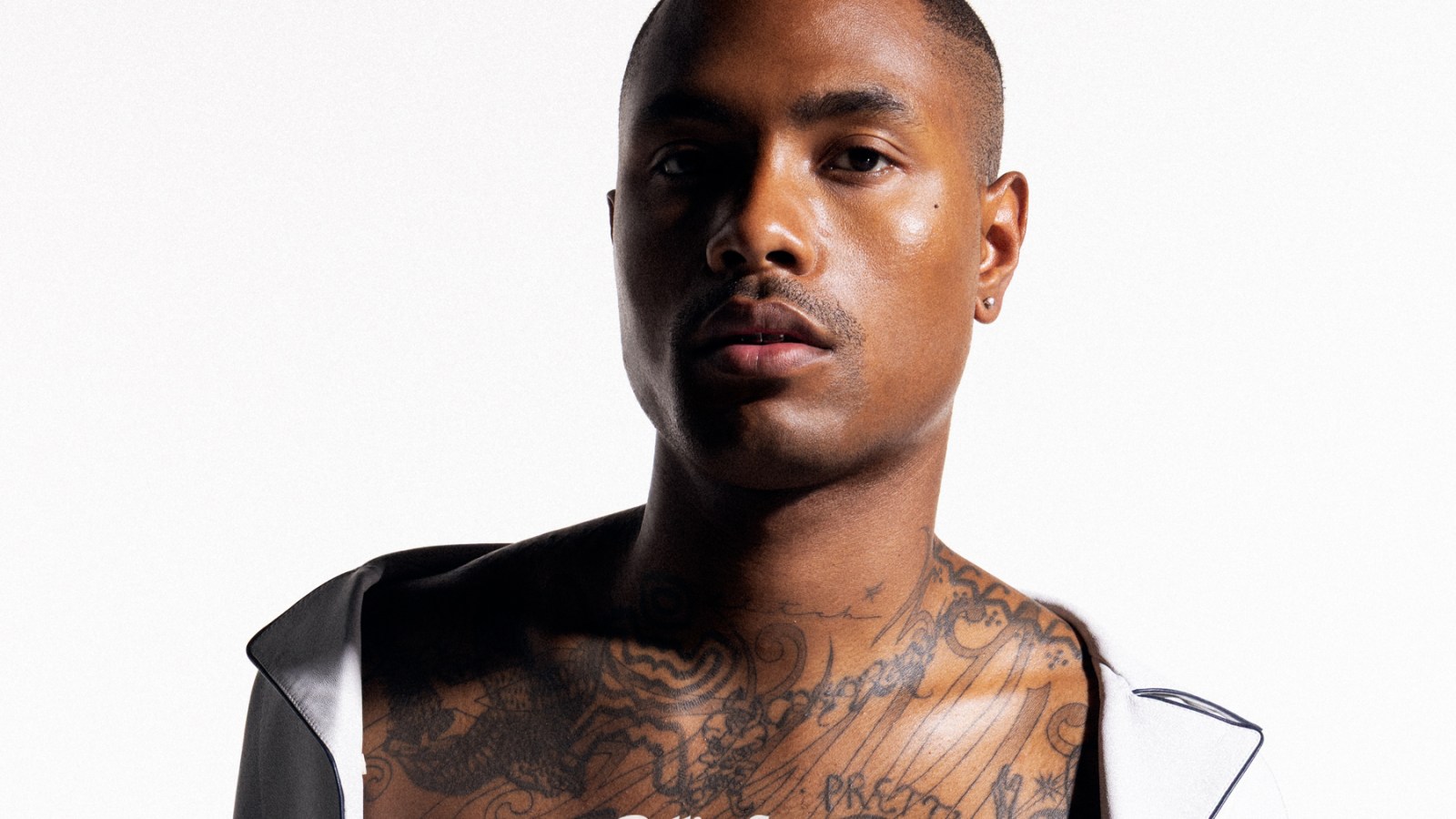
Steve Lacy’s Oh Yeah? started in a pretty bruised place, according to Rolling Stone: when he played early material for his label, the room wanted something lighter.
Lacy told Rolling Stone’s Jeff Ihaza that the first batch of songs leaned sad, prompting label listeners to ask for happier music. At the time, he was working through a breakup, and the record was circling distrust, self-sabotage, desire and the slow realization that grief had been sitting with him.
Then the plot moved. By the time Ihaza met Lacy in Paris last June, Rolling Stone reported, the singer had recently met someone new and was feeling romantic again. Lacy described the album as a story unfolding in real time, rather than something he was inventing from a safe distance.
The finished record followed 2022’s Gemini Rights, the Grammy-winning breakthrough that pushed Lacy into a bigger pop orbit. Rolling Stone reported that he began working soon after that album, but spent much of the next few years unable to find the shape of the next one.
Lacy said he had several false starts, at one point believing the album was ready before deciding it was not. He told Rolling Stone that trying to force the record too early humbled him more than once.
Eventually, he stopped trying to arrange the track list before the songs existed. According to Rolling Stone, Lacy told himself to quit sequencing and focus on writing, then let the story sort itself out later.
The process stretched across nearly three years, with Lacy making music on tour, at home in Los Angeles, at the Village studio and during long stays in Paris. He described the album to Rolling Stone as one of the hardest he has made and said it felt like teaching himself songwriting again.
A producer turns lyric-obsessed
For much of his career, Lacy saw himself first as a producer and musician. In the Internet, he told Rolling Stone, he would often build the track, find the hook and let words sit behind the groove.
On Oh Yeah?, that changed. Lacy said he was thinking about writing every day and treating language with the same care he gives drums, bass and chords. Rolling Stone reported that he rewrote verses, recorded alternate versions and weighed how words landed against the production.
That new approach helped produce “Nice Shoes,” a track Lacy chose to introduce the album’s sound rather than release a stray song. On the finished album, it expands into “Nice Shoes / In Your World,” a nine-minute centerpiece that shifts from a frantic electronic section into a slower guitar passage.
Lacy told Rolling Stone that electronic music had been in his orbit for years through Flying Lotus, Thundercat, DJing and dance music, though he had been cautious about bringing it into his own work. Part of the track’s mood, he said, came from a night out at Ostbahnhof, a gay party in Los Angeles, followed by an after-hours session at his place with River Moon and a small group playing music until morning.
Heartbreak, SZA and faith
The album did not trade heartbreak for romance cleanly. Rolling Stone reported that Lacy kept both states in the record: the old fear and mistrust, plus the fresh possibility of feeling open again.
On an early version of what became “Is It Cool,” Lacy sang about never learning to love properly and self-sabotage. He wanted a female voice to cut through that spiral, Rolling Stone reported. The finished track features SZA and moves from distrust toward the possibility of growth.
Lacy also told Rolling Stone that making Oh Yeah? brought him back to faith, meaning more than religion. He connected faith to love, self-knowledge and creativity, saying love itself depends on belief.
For Lacy, the lesson of Oh Yeah? appears to be patience: leave the record enough room, and the mess of real life can become the map.
This story draws on original reporting from Rolling Stone.