BBC staff challenge bosses over 1% pay offer and job cuts
Employees pressed BBC leaders at a town hall over pay, layoffs and the cost of a new Romesh Ranganathan ad campaign, Deadline reported.
By Bianca Rossi · Entertainment Editor
4 min read
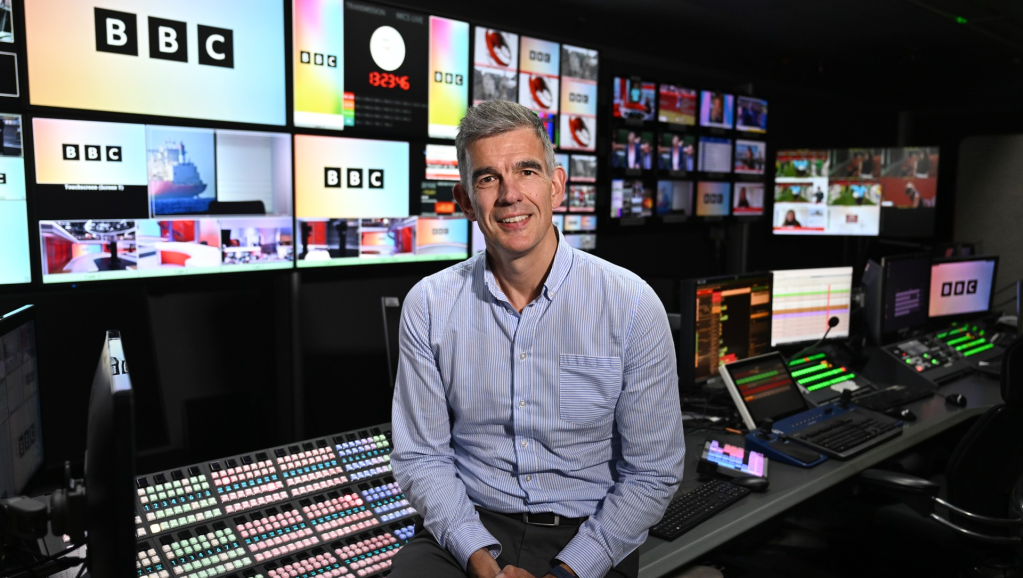
BBC director general Matt Brittin faced sharp questions from employees on Monday as staff challenged a proposed 1% pay rise, looming job cuts and spending on a new promotional campaign featuring Romesh Ranganathan, Deadline reported.
The meeting put early pressure on Brittin, the former Google executive now running the UK broadcaster, as employees voiced anger over a pay offer they described in written questions as inadequate while the corporation prepares for thousands of role reductions.
According to Deadline, one staff member said employees were being treated like “second-rate citizens” and called the proposed rise “an insult.” Another described the mix of low pay growth and job losses as “unfair and demoralizing.”
A third employee put the issue in household terms, asking: “A 1% pay rise will eat into my family’s finances so severely, I will have to cut back on something. What do you suggest I cut back on?”
Some staff used gallows humor. Deadline reported that one employee wrote during the call: “Great news that we’ve managed to pinch The 1% Club from ITV. Oh sorry, that’s just the pay proposal.”
Bérangère Michel, the BBC’s chief financial officer, told staff the corporation understood the frustration. “We know that 1% is not much,” she said, according to Deadline. “We wanted to do more, but we can’t afford it.”
Michel said the BBC had added a minimum payment to shield lower-paid workers and said the executive team would receive no pay increase this year.
The BBC is trying to cut £500 million, about $670 million, over three years, Deadline reported. That comes on top of a previous £1.5 billion savings target. The broadcaster is under pressure because 94% of the UK population uses BBC services each month, while fewer than 80% pay the £180 annual licence fee, according to Deadline. The BBC also can no longer use cash reserves to fund its operations.
Brittin told employees that the BBC was facing financial strain similar to that seen by government departments, private companies and charities. “We’re all having to be prudent, and that doesn’t make it easier for people, but we are all in a similar boat here,” he said, according to Deadline.
The pay proposal is being discussed with unions, and Deadline reported that speculation has already begun over possible industrial action.
Employees also compared the 1% offer with presenter pay. Deadline reported that presenter earnings at the BBC rose by nearly £3 million in the last financial year to £143 million, the highest level in six years.
One staff question cited Scott Mills, saying: “Before he left, Scott Mills was on around £750k, far more than any other radio presenter. What contributed to this enormous salary? £750k could go so far and reduce the amount of staff leaving the BBC.”
Another employee suggested reducing salaries by 10% for staff earning more than £100,000 to avoid what they called an effective pay cut for most workers, Deadline reported.
Brittin said the BBC must be able to pay competitively for talent, but said he would review the number of senior managers. He told staff the corporation would look at “at least 10% savings on senior management roles,” according to Deadline.
The town hall also turned to the BBC’s “What has the BBC ever done for me?” advertising campaign, starring Ranganathan. Deadline reported that the campaign updates a 40-year-old promotional film featuring John Cleese and is intended to show UK audiences what the BBC provides.
Staff questioned what the campaign cost at a time of tight pay and job insecurity. Some also criticized its content, saying it did not put enough focus on local services, the World Service and online output, Deadline reported.
Kerris Bright, the BBC’s chief customer officer, defended the decision to promote the corporation’s value while acknowledging the pressure on budgets. “It’s a really fair challenge,” she said, according to Deadline. “Marketing is facing the same challenges.”
Bright said the BBC needed to invest in explaining its value to audiences and said the team had tried to be “really smart” in how it made the advert.
This story draws on original reporting from Deadline.