Brazil mourns Cinema Novo producer Luiz Carlos Barreto
President Lula ordered three days of national mourning after the Brazilian film producer died in Rio de Janeiro at 98.
By Poppy Nakagawa · Culture Writer
3 min read
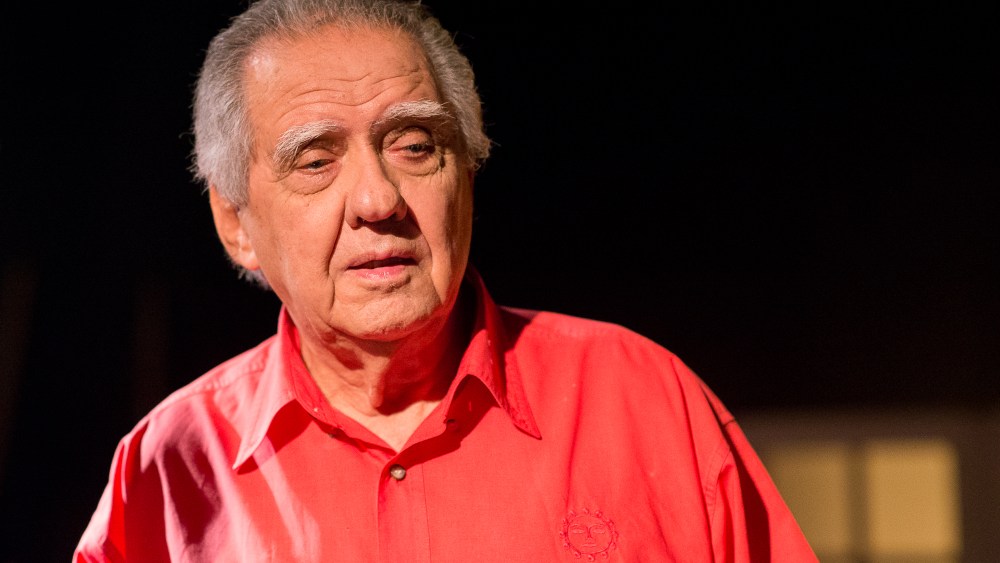
Brazil is marking three days of national mourning for Luiz Carlos Barreto, the producer whose work helped power the Cinema Novo movement and shaped decades of Brazilian film.
Barreto died in Rio de Janeiro on Wednesday, July 22, at 98, Variety reported. His health had been fragile since a fall in March 2024, and the official cause of death was pneumonia, according to the report.
President Lula Inácio Lula da Silva announced the mourning period in a social media post, meaning the national flag will be flown at half-mast in Barreto’s honor.
Lula called Barreto a major figure in Brazilian culture, writing: "Brazilian cinema owes a great deal to Luiz Carlos Barreto, who left us this Wednesday. His love for Brazil, his talent and, above all, his restless spirit made him the most important producer in Brazilian cinema over the last 50 years."
A six-decade cinema force
Barreto was involved in more than 80 productions across a career that stretched over six decades. He was closely linked to Cinema Novo, the daring Brazilian movement of the 1960s and early 1970s that drew international attention at Cannes and beyond.
Born in 1928 in the northeastern state of Ceará, Barreto moved to Rio de Janeiro in 1947, when he was 19. He first worked as a photographer for the newsmagazine O Cruzeiro.
In 1952, during an interview, he met Lucy Vilella, then Miss Goiás State and a pianist. They married two years later and became partners in life and in film production.
Barreto’s path into cinema sharpened in 1961, when he visited the Bahia set of Glauber Rocha’s first feature, "Barravento," while working as a photographer. Rocha later became one of the central figures of Cinema Novo and encouraged Barreto as he moved into filmmaking.
Barreto made his debut as co-screenwriter and co-producer on Roberto Farias’ "Assalto ao Trem Pagador" in 1962. The next year, he worked as cinematographer on Nelson Pereira dos Santos’ "Barren Lives" ("Vidas Secas").
The company that kept rolling
In 1963, Barreto founded L.C. Barreto Produções Cinematográficas, described by Variety as Brazil’s longest-running film production company. With Lucy Barreto, he helped make films including Joaquim Pedro de Andrade’s "Garrincha: Joy of the People," Roberto Santos’ "The Hour and Turn of Augusto Matraga," Glauber Rocha’s "Entranced Earth" and Nelson Pereira dos Santos’ "How Tasty Was My Little Frenchman."
Even as Cinema Novo faded under Brazil’s military dictatorship, L.C. Barreto continued producing, including Cacá Diegues’ Cannes competition title "Bye Bye Brazil" and Nelson Pereira dos Santos’ "Memoirs of Prison."
The Barreto family stayed in the film business. Son Bruno Barreto directed "Dona Flor and Her Two Husbands," one of Brazil’s major box-office hits, and "Four Days in September," which was nominated for a Foreign Language Oscar. Fábio Barreto, who died in 2019, directed "O Quatrilho," also nominated in that Oscar category, and "Lula, the Son of Brazil." Paula Barreto now serves as CEO of L.C. Barreto.
Paula told Variety: "The greatest legacy my father leaves me is the person he was. He used to say, ‘My party is the party of Brazilian cinema.’ He always opened channels of dialogue in support of Brazilian cinema."
Barreto is survived by Lucy Barreto, children Paula and Bruno, and nine grandchildren: Julia, Mariana, Lucas, João, Helena, Olympia, Gabriel, Camilla and Felipe.
This story draws on original reporting from Variety.