Diamond diversity report says UK TV diversity gains have stalled
The Creative Diversity Network says post-2020 pledges did not deliver structural change, with off-screen representation falling below the workforce average.
By Poppy Nakagawa · Culture Writer
3 min read
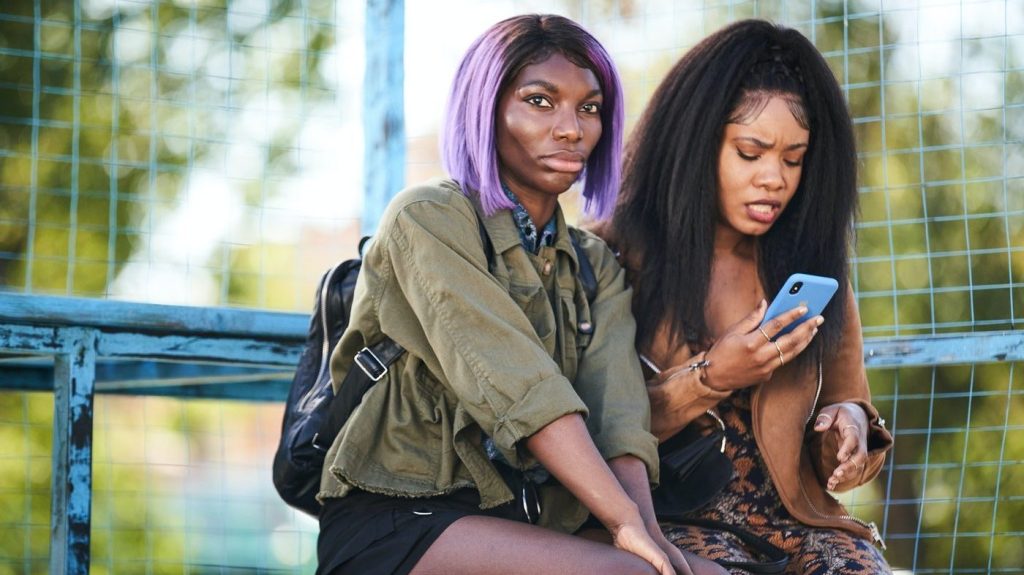
The latest Diamond diversity report on UK TV says the industry’s promises after the Black Lives Matter protests of 2020 have not produced lasting structural change, with representation for Black, Asian and minority ethnic people slipping behind the national workforce average off screen.
The annual report, compiled by the Creative Diversity Network, found that on-screen representation for Black, Asian and minority ethnic actors and presenters has levelled off at 23.2% since 2022. Off screen, the figure dropped by 1 percentage point to 13%, well below the 17.9% average across the national workforce, according to the report.
Paul Moore, chair of the Creative Diversity Network and ITV’s communications and corporate affairs chief, said Diamond’s nine years of data show that progress has stalled or moved backward in some areas. He said the recent fall in Black representation indicates that commitments made after the Black Lives Matter movement did not become “embedded, structural change.”
What does the Diamond diversity report measure?
Diamond is the UK TV industry’s diversity monitoring project, run by the Creative Diversity Network. It tracks who appears on screen and who works behind the camera across participating broadcasters, allowing changes in representation to be compared over time.
The 2020 protests, which followed the murder of George Floyd, pushed UK broadcasters to announce diversity commitments across programming and hiring. The issue was a major subject at the Edinburgh TV Festival that year, as critics challenged the pace of change in an industry long accused of being shaped by privileged gatekeepers.
The new findings land a year after a separate study reported that Black professionals in TV were experiencing systemic racism and weaker career progression despite years of diversity initiatives, according to Deadline’s account of that research.
The Diamond report also found a fall in the share of non-white people in senior roles. That figure has dropped since 2022 to 12% and remains at the same level recorded in 2019, according to the report. Executive producer roles were lower still: Black, Asian and minority ethnic workers accounted for 10.9% of those positions last year.
Which UK broadcasters ranked highest and lowest?
Among the major UK-based networks, Paramount, which owns Channel 5, now branded as 5, recorded the lowest proportion of contributions from Black, Asian and minority ethnic people, according to the report. The BBC ranked highest for on-screen representation, while Channel 4 led off screen.
The report did identify some areas of growth. Lead actors from non-white backgrounds reached 34.9% last year, nearly twice the national workforce average. Writers from non-white backgrounds also rose to 21.3%.
Moore said the value of Diamond lies in tracking patterns over several years rather than focusing on single-year headlines. The overall picture, according to the Creative Diversity Network, is that early momentum after 2020 has not been matched by sustained change across the TV workforce.
The Creative Diversity Network has said it is overhauling Diamond to improve reporting. Those changes are due to take effect later this year.
This story draws on original reporting from Deadline.