Dil Chahta Hai, Lagaan and Chandni Bar directors look back at 25 years
Farhan Akhtar, Ashutosh Gowariker and Madhur Bhandarkar reunited at IFFI to revisit the choices behind their 2001 films.
By Poppy Nakagawa · Culture Writer
2 min read
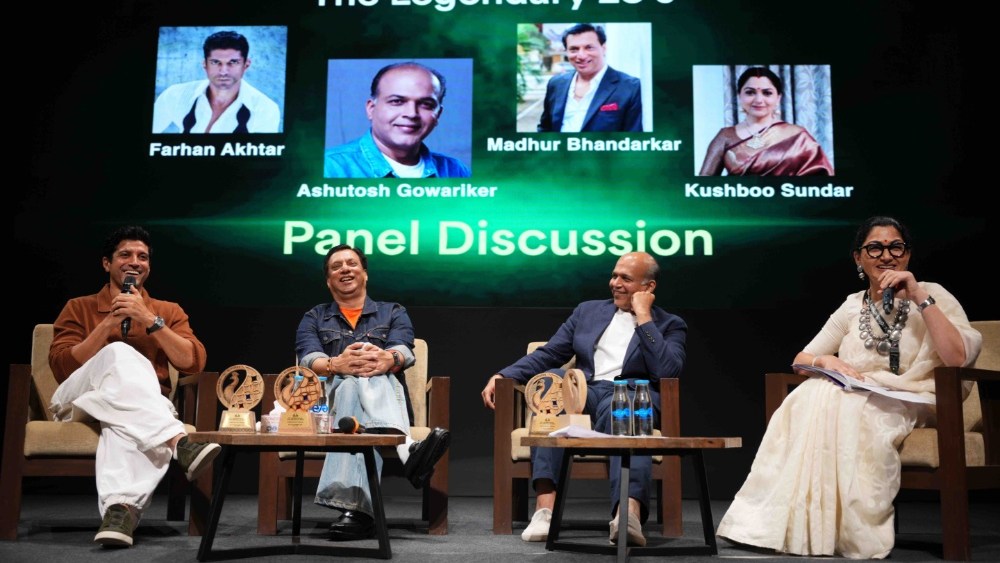
Dil Chahta Hai, Lagaan and Chandni Bar returned to the conversation 25 years on, as their directors reunited at the 57th International Film Festival of India in Goa.
Farhan Akhtar, Ashutosh Gowariker and Madhur Bhandarkar appeared at the session, titled “The Legendary 25s,” at Kala Academy in Panaji. Actor and producer Khushboo Sundar moderated the masterclass, according to News On AIR and Variety.
All three films were released in 2001. Akhtar directed Dil Chahta Hai, Gowariker made Lagaan and Bhandarkar directed Chandni Bar.
What did the directors say about their films 25 years later?
Akhtar said he set out to make friendship and relationships in Dil Chahta Hai feel closer to real life than the versions he had seen in Hindi cinema. The film was his directing debut, Variety reported.
He also described a screenplay as something that keeps changing as actors and crew members contribute ideas, sometimes as late as the editing stage. On the industry's attention to commercial returns, he said he would prefer conversations about viewers' responses to a film over talk of a strong opening weekend.
Gowariker recalled arriving at Lagaan after his first two films failed. He said that experience pushed him to make a film he believed in, then hope audiences would respond. For the period drama about villagers facing the British in a cricket match, he researched the British Raj, 19th-century life, cricket and village communities.
He also cautioned against judging films solely by their early box-office performance. Measures of success have shifted over the years, he said, from jubilees and 100-day runs to opening-weekend figures, making easy comparisons between films misleading.
Bhandarkar said a visit to a dance bar led him to the subject of Chandni Bar, and that he spent six months researching dance bars across Mumbai. He said his work is interested in people and settings often left out of mainstream stories, and described cinema as a mirror to society.
The director also said he is drawn to complex female characters rather than idealized portrayals, citing the women at the center of films including Chandni Bar and Satta.
What did they say about technology in filmmaking?
The discussion also turned to AI, visual effects and the changing tools of filmmaking. Bhandarkar said technology can improve visuals and widen filmmakers' options, but argued it cannot replace human feeling. News On AIR reported that the panel shared a broader view that human emotion and honest storytelling remain central as cinema changes.
For Akhtar, the advice to emerging filmmakers was to start with their own experiences. Gowariker's view was equally blunt: each new film is a fresh start.
This story draws on original reporting from Variety.