MIFFest founder Joanne Goh pushes Kuala Lumpur film hub plan
Joanne Goh says MIFFest’s next act is regional clout, after 700 submissions and new ASEAN Records recognition.
By Poppy Nakagawa · Culture Writer
3 min read
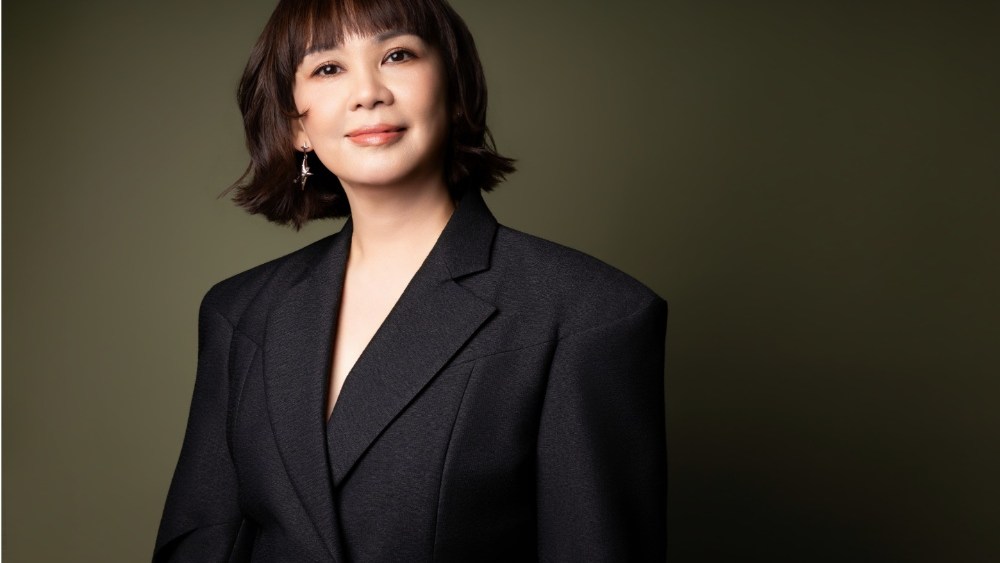
MIFFest founder Joanne Goh is putting a clear target on the marquee: a Kuala Lumpur film hub for Southeast Asia, built around regional dealmaking rather than a scramble for global premiere bragging rights.
Goh told Variety that she wants the Malaysia International Film Festival to become a meeting point for filmmakers, producers and industry leaders from across the region as the event heads toward its 10th anniversary next year.
The pitch comes after a busy ninth edition for MIFFest. According to Goh, the festival drew about 700 submissions this year, compared with roughly 100 when it began in 2017.
Its ASEAN On Screen program also received official recognition from ASEAN Records this year, a development Goh described to Variety as an early step in a larger regional push.
How could Kuala Lumpur become a film hub?
Goh’s answer is collaboration. She told Variety that MIFFest can stand apart from other Asian festivals by strengthening ties among Southeast Asian filmmakers and companies, rather than focusing mainly on world premieres and international attention.
She pointed to Malaysia’s multicultural identity and its growing place in the film business as assets for that plan. Goh also told Variety that Malaysia has become one of the industry’s important partners.
For readers outside the festival circuit, a film hub is a place where movies are not only shown, but also financed, sold, promoted and set up for future partnerships. Goh’s vision casts MIFFest as that kind of gathering point for Southeast Asian cinema.
Goh told Variety that the next breakout moment for Southeast Asian films will require more than overseas curiosity. In her view, the region also needs to address long-running problems around financing and distribution.
She sees ASEAN co-productions as one route through those problems. In this context, co-productions mean projects involving partners from more than one ASEAN market, allowing filmmakers to share resources, access audiences and build cross-border industry relationships.
MIFFest has also been putting more weight on industry conversations, according to Goh, including sessions around financing models and emerging technologies. Those talks sit alongside the screenings, giving the festival a more business-facing role.
Joanne Goh is also seeing MIFFest from the producer’s chair
This year, Goh had another job at the festival. She produced “BlueFish,” which premiered during MIFFest, giving her a different view of the event she founded.
Goh told Variety that producing and running a festival are very different roles, but said both have widened how she sees the film industry.
She also described the festival to Variety as a place where people in cinema can gather for sales, marketing and possible collaborations. That producer’s-eye view appears to match the bigger plan: make the festival useful after the lights come up.
Even with submissions rising sharply since MIFFest’s launch, Goh told Variety that the festival’s next phase is not mainly about size. She said the focus is cross-border collaboration and building Kuala Lumpur’s role as a regional film center.
This story draws on original reporting from Variety.