Nick Hakim’s I Can See review finds alt-R&B in sharper focus
Variety’s review says Nick Hakim’s fourth album tightens his smoky alt-R&B style while keeping its warped, spacey pull.
By Poppy Nakagawa · Culture Writer
3 min read
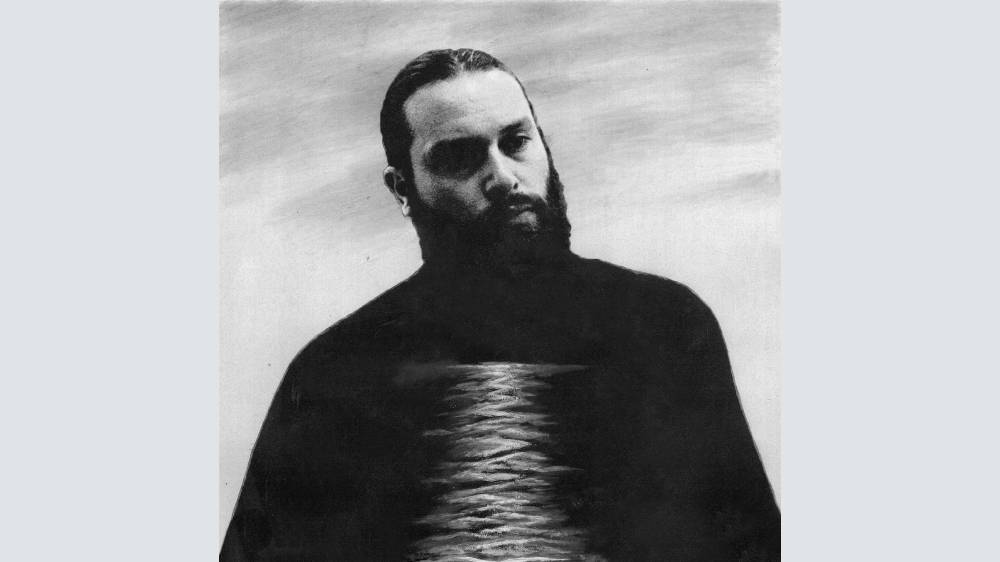
Nick Hakim’s I Can See lands as his fourth and latest album, and Variety critic Jem Aswad says it is the singer’s most concentrated release yet: slow-burning, richly layered and far more song-minded than his recent work.
Aswad places Hakim inside a loose alt-R&B lane he describes as “stoner R&B,” a hazy corner of the genre connected in the review to artists including Dijon, Frank Ocean, Brent Faiyaz and Jhene Aiko. The idea, as the review explains it, is R&B with relaxed pacing, weighty low end, psychedelic studio touches and vocals that do not rush toward a payoff.
What is Nick Hakim’s I Can See like?
According to Variety, I Can See blends soft, soulful vocal stacks with glowing keyboard textures, electronic force and an almost fogged-over mix. The album is described as both carefully built and woozy, with songs that feel more defined than Hakim’s last stretch of music while still sounding strange around the edges.
The review traces Hakim’s path back to his 2014 arrival with the Where Will We Go EPs, followed by albums that gradually moved farther from standard R&B architecture. Aswad writes that by 2022’s Cometa, familiar verse-and-chorus shapes had largely slipped away.
I Can See, in Variety’s reading, pulls him back toward stronger forms without sanding off the oddness. The first half is described as the album’s more traditionally structured run, built on patient tempos, smoky mood and layered arrangements rather than big, clean radio gestures.
Aswad singles out “Real Here Now” as one of the standout R&B tracks of the year, comparing its feel to an Usher song arriving from an alternate universe. The next track, “U Can Make It,” is described in the review as a dense construction of heavy electronic kick, echoing piano and repeated vocal layers.
The sound design gets as much attention as the writing. Variety says voices and instruments drift through the mix as if they are coming from somewhere nearby but partly out of reach, creating a blurred effect where exact details are not always the point.
The palette, as described by Aswad, mixes live-feeling and digital elements: snare and rimshot sounds sit beside thick electronic bass, treated piano and backing vocals that appear and disappear through the tracks.
By the album’s final stretch, Variety hears Hakim moving back toward the outer-space feel of Cometa. The late songs are said to turn murkier, with heavier effects and touches that recall dub reggae.
The result, according to Aswad, pushes beyond a tidy alternative R&B label. I Can See is presented as Hakim’s clearest set in years, even while its production keeps floating toward stranger air.
This story draws on original reporting from Variety.