Paramount Warner Bros merger stalls as state AGs dig in
Paramount agreed to delay its Warner Bros. deal until after trial as state attorneys general press an antitrust challenge.
By Bianca Rossi · Entertainment Editor
3 min read
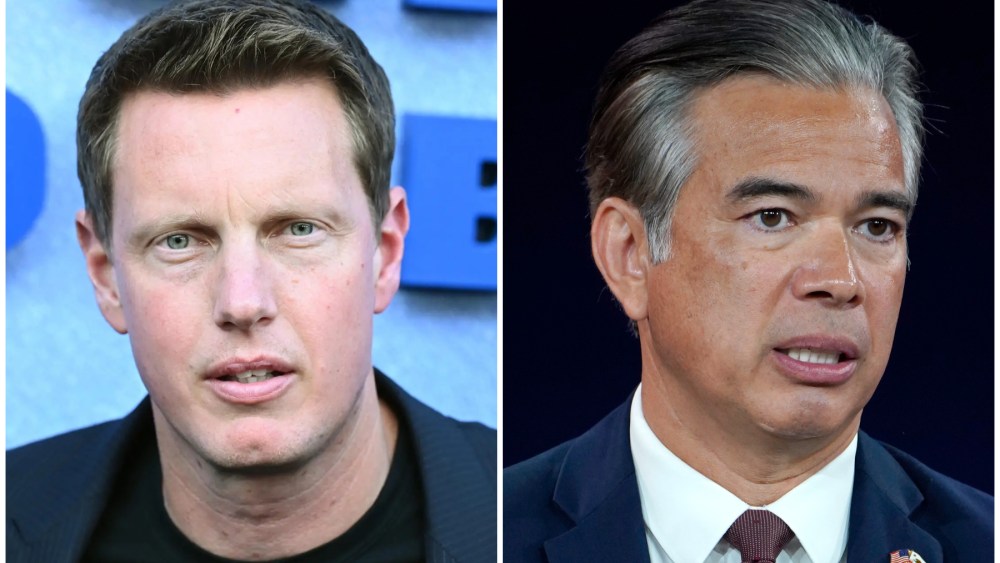
The Paramount Warner Bros merger is headed for a longer court fight after Paramount agreed to hold off closing the deal for months while a 12-state antitrust challenge moves toward trial, Variety reported.
California Attorney General Rob Bonta told Variety on Friday that Paramount appeared to recognize it was unlikely to win the next round over a preliminary injunction. The company had been seeking a fast hearing that could have cleared the way for the transaction to close by mid-September.
The deal, valued by Variety at $111 million, is now on ice until five days after a trial ruling or June 1, 2027, whichever comes first, according to the report.
What happens next in the Paramount Warner Bros merger?
The case is set to move toward trial in Judge Araceli Martinez-Olguin’s courtroom in Oakland, California. Variety reported that the trial could run two to three weeks or longer, with Paramount seeking the earliest possible date and the states pushing for more time.
Bonta told Variety that a 2027 trial date would be acceptable to the state coalition, saying April 2027 would not draw an objection from his side. He argued that Paramount’s desire for speed is tied to business pressures rather than what the case requires.
Paramount faces a costly clock. Variety reported that the company will owe Warner Bros. Discovery shareholders $7 million per day starting Sept. 30, even though the delay means the company cannot avoid those payments while pursuing the deal.
Paramount said in a statement reported by Variety that pausing the closing was the quickest and cleanest path to a ruling on the deal itself. The company said it wants to show the transaction would benefit competition, consumers and creators, and said many competition authorities worldwide have already reached that conclusion.
Why did Paramount agree to wait?
Paramount had sought a three-day evidentiary hearing in late August, where its lawyers wanted to challenge the states’ expert economist and attack the states’ argument that the merger would unlawfully concentrate the market, according to Variety.
On Thursday, Judge Martinez-Olguin denied Paramount’s request to speed up briefing on that issue. Variety reported that the ruling suggested the judge was not leaning toward granting the accelerated, multi-day hearing Paramount wanted.
The judge had already issued a 28-day restraining order after finding the states had made a strong showing that the deal was likely to damage competition, according to Variety. The standard for a preliminary injunction would be similar, the report said.
Paramount could have waited for an injunction decision and appealed to the 9th Circuit, Variety reported. But the report noted that Nexstar tried that route after its Tegna merger was blocked in April and remains in limbo, which suggested Paramount could have been waiting into early 2027 for appellate relief.
What are the states asking for?
The state attorneys general want more discovery, including documents and depositions they say they did not receive before suing. Bonta told Variety that Paramount and Warner Bros. had not provided everything the states sought during the pre-litigation process.
The dispute could still settle, but Bonta told Variety that Paramount has not offered remedies his side would view as sufficient. He said the states would be looking for structural remedies, meaning divestitures of assets such as cable or film distribution holdings.
Structural remedies require a company to sell or separate parts of a business to reduce competition concerns. Behavioral remedies, such as promises about future conduct, leave the merged company intact while imposing rules on how it operates.
Bonta told Variety he is not interested in behavioral fixes such as commitments on theatrical release minimums or 45-day windows, saying past versions of those remedies have not worked. He also argued that the merger would raise prices for Americans and Californians.
This story draws on original reporting from Variety.