Paramount Warner EU approval draws warning from cinema lobby UNIC
UNIC says EU conditions on Paramount’s Warner Bros. Discovery takeover should have gone further, despite a required UIP stake sale.
By Bianca Rossi · Entertainment Editor
3 min read
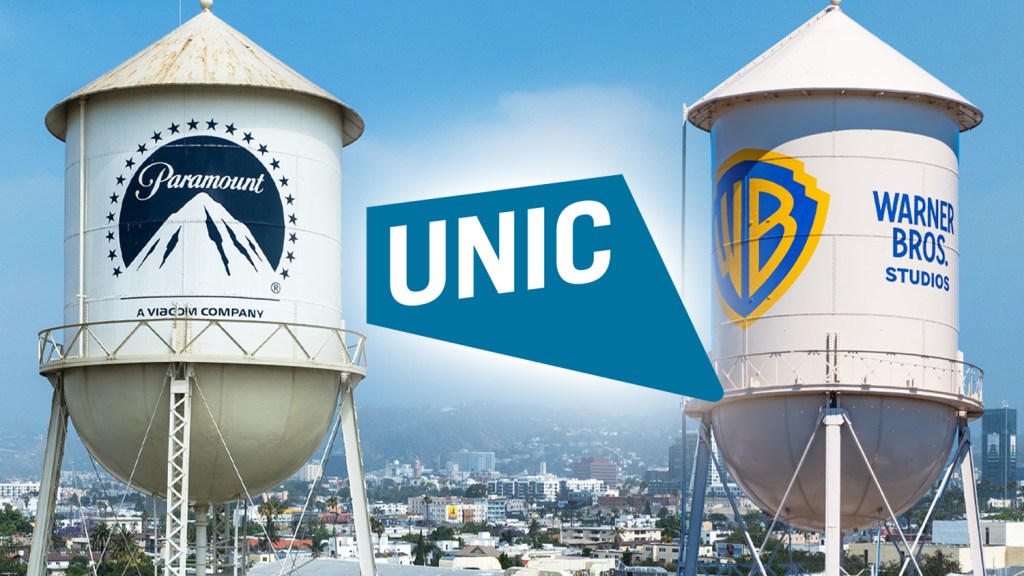
Europe’s cinema lobby says the Paramount Warner EU approval left too much on the table, warning that Brussels did not go far enough when it cleared Paramount Skydance’s proposed takeover of Warner Bros. Discovery.
The Brussels-based International Union of Cinemas, known as UNIC, represents cinema exhibitors across 39 European territories. Its CEO, Laura Houlgatte, said the European Commission addressed one competition concern by requiring Paramount to sell its stake in United International Pictures, but argued the remedies were too limited.
“UNIC welcomes the Commission’s decision to require the divestment of Paramount’s stake in UIP and additional requirements,” Houlgatte said. “While it addresses an important competition concern, we strongly believe that the Commission could and should have gone further with its conditions for the merger’s approval.”
United International Pictures is the theatrical distribution venture currently jointly owned by Paramount and Universal Pictures. The Commission’s approval, announced Wednesday, makes Paramount’s exit from that venture a condition of the Warner Bros. Discovery deal.
What did the EU require in the Paramount Warner deal?
The European Commission’s conditions go beyond the UIP stake sale. For 10 years, Paramount cannot directly or indirectly enter an agreement or understanding with Universal to jointly co-distribute films in the European Economic Area.
The ruling also blocks Paramount from moving Warner films away from Warner’s existing distributor to the theatrical distributor used by Paramount in cases where that distributor also handles Universal or Disney films across UIP countries in the EEA.
In UIP countries where Paramount and Universal do not share the same distributor, Paramount also cannot shift its own films from its existing distributor to Warner’s theatrical distributor where that distributor also handles Universal or Disney titles.
The conditions apply to Bulgaria, Croatia, Czechia, Cyprus, Denmark, Estonia, Finland, Greece, Hungary, Iceland, Latvia, Lithuania, Norway, Poland, Portugal, Romania, Slovakia, Slovenia and Sweden.
Why is UNIC still unhappy?
UNIC said the Commission focused too narrowly on UIP territories and missed wider concerns raised by the cinema sector. Houlgatte said the group had taken “numerous concerns” to the Commission’s competition department, but that the final decision did not reflect the broader picture.
“It has based its decision on too narrow a scope,” Houlgatte said.
UNIC said the remedies should also have addressed theatrical distribution arrangements outside the territories where UIP currently operates. Houlgatte also pointed to issues including theatrical windows, film diversity, preservation of film output and production pipelines, contractual practices and access to back catalogues.
“We regret that the decision does not address similar risks arising from theatrical distribution arrangements outside the UIP territories, nor does it extend to remedies addressing theatrical windows, film diversity, preservation of film output and production pipelines, contractual practices and access to back catalogues,” she said.
Houlgatte added that the transaction still faces legal challenges in the United States tied to such concerns. She said UNIC will monitor developments there and any possible impact on Europe.
UNIC also said it was disappointed that the European Media Board, an independent advisory body, had not reviewed the deal’s wider implications for media pluralism, cultural diversity and the audiovisual market.
This story draws on original reporting from Deadline.