Paramount WBD merger delay hits stocks as opponents celebrate
Paramount agreed not to close its $110 billion WBD deal until June 2027 or a court ruling, sending shares lower.
By Poppy Nakagawa · Culture Writer
3 min read
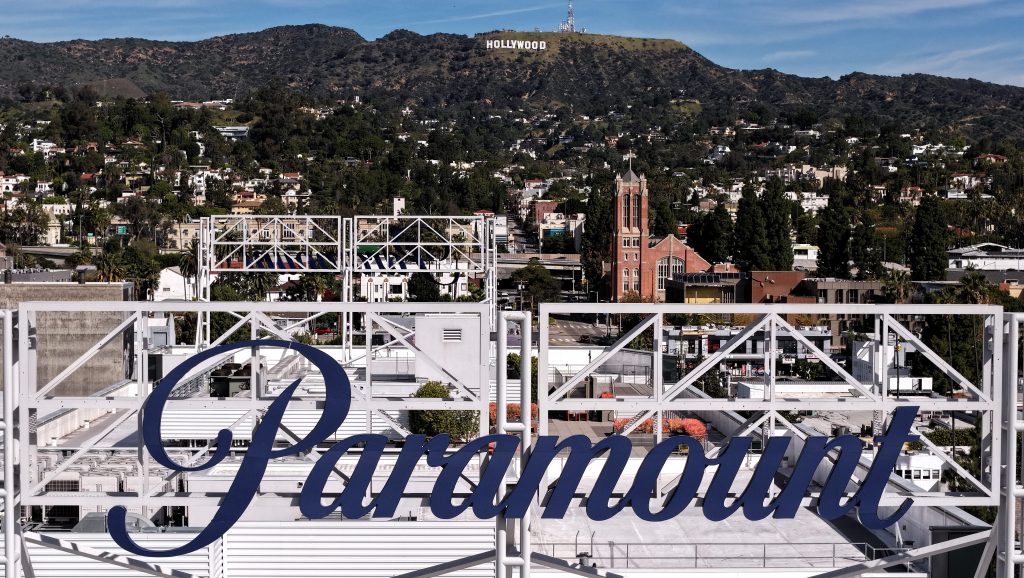
The Paramount WBD merger delay landed late Friday with a jolt: Paramount has agreed not to complete its $110 billion Warner Bros. Discovery transaction before June 1, 2027, unless a court first rules on the merits of the antitrust case.
The agreement sent shares of both companies lower in after-hours trading and gave opponents of the deal a public win, though they stressed that the fight is still far from finished.
California Attorney General Rob Bonta praised the development in a statement, calling it good news for audiences, theaters and people who make art, news and entertainment. Bonta said his office is ready to keep arguing in court and described the delay as another win in the push to stop what he called an unlawful merger.
Why was the Paramount WBD merger delayed?
The pause is tied to an antitrust lawsuit challenging the proposed merger. Under the agreement, Paramount cannot close the deal until either June 1, 2027, or until the court decides the substance of the lawsuit, whichever happens first.
Antitrust lawsuits test whether a deal could harm competition. In this case, opponents argue the merger could hurt workers, audiences and the broader entertainment business.
On a Zoom press briefing, activists aligned with the challenge, led by 12 state attorneys general and the Writers Guild of America, took a guarded victory lap. Anjuli Kronheim Katz, executive director of the Committee for the First Amendment, said the agreement showed organizing power but was not a final win.
Peter Murrieta, secretary-treasurer of WGA West, joined the briefing from Comic-Con in San Diego and warned that the deal could pressure writers’ pay or reduce the number of films and series being made. Paramount has called the merger “pro-Hollywood” and disputes claims that the transaction would harm workers.
The market reaction was quick. Paramount stock reached a 52-week low after the news, then closed at $8.21 and slipped another three cents after hours. Warner Bros. Discovery shares were down almost 1% during regular trading and weakened further after the closing bell.
Paul Nary, a management professor and mergers-and-acquisitions specialist at the University of Pennsylvania’s Wharton School, wrote on X that the delay could make the transaction more costly. He pointed to a $7.2 million-per-day ticking fee that Paramount has agreed to pay WBD shareholders if the deal has not closed by September 30.
Nary said the fee and the leverage in the case suggest the states may be unlikely to settle early unless they win major concessions. He also warned that WBD is caught in a tough spot while it waits, unable to fully prepare either for independence or for integration with Paramount.
Executives from both companies are expected to report quarterly earnings in the coming weeks, where questions about the new timetable are likely to follow. Forrester Research Vice President Mike Proulx told the Wall Street Journal that the deal could still close or fail, but either way the route has become longer, harder and more expensive.
This story draws on original reporting from Deadline.