Reply AI Film Festival finalists named as Salvatores leads jury
Ten AI-assisted shorts will compete at Venice, with Gabriele Salvatores, Catherine Hardwicke and Rob Minkoff among the jurors.
By Bianca Rossi · Entertainment Editor
3 min read
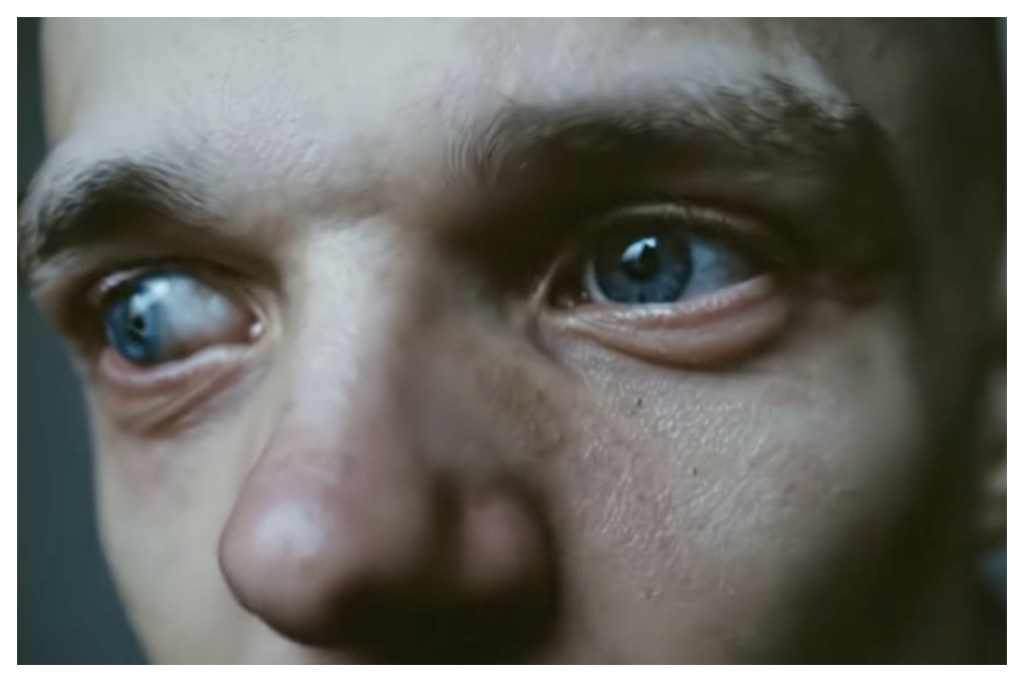
The Reply AI Film Festival finalists are set: 10 short films made with artificial intelligence tools will compete in the festival’s third edition, with winners to be announced September 6 around the Venice Film Festival.
Organizers unveiled the shortlist Tuesday after receiving 3,000 entries tied to the 2026 theme, “Imaginatio Nova.” The selected films range from a story set near the Russian-Ukrainian front to a portrait of blindness, a dystopian future without births and a speculative platform that broadcasts impossible events from other worlds.
Who is judging the Reply AI Film Festival finalists?
Oscar-winning filmmaker Gabriele Salvatores, director of Mediterraneo, will preside over the jury. The panel also includes Rob Minkoff, Catherine Hardwicke, Jed Weintrob, Giacomo Mineo, Christina Lee Storm and Nils Hartmann.
Further jurors named by the festival are journalists Brian Welk and Denise Negri, Reply Chief Technology Officer Filippo Rizzante, Guillem Martinez Roura of the United Nations International Telecommunication Union’s “AI for Good” initiative, and Jacopo Reale, who won the 2025 Reply prize for Love at First Sight.
What is the Reply AI Film Festival?
The Reply AI Film Festival is a short-film competition centered on works created with AI technologies and tools. Its awards ceremony returns to Venice in September, using the film festival’s global spotlight as a stage for AI-driven filmmaking.
The jury will hand out the Best Short Film prize and two special honors. The AI for Good Award will go to the film that best reflects the United Nations Sustainable Development Goals, while the Reply AI Studios Grand Prix will recognize the strongest use of artificial intelligence across the creative process.
The finalists include A Face Only A Mother Could Love, by Canadian AI filmmaker Robert Gaudette, about a Parisian dancer watched in secret for years. China’s 2xLabs made Centenarian Kindergarten, set in 2090, where four 100-year-olds flee a facility run by AI assistants enforcing mandatory happiness.
Italy’s Simone Paradiso is competing with GO HOME, a 1999 New York sci-fi story involving teenagers and a hidden military bunker. UK director Mike Bennion’s Kev looks at Kev’s experience of blindness and the relationships and everyday details that shape his life.
Alex Naghavi and Ezra Li, from Australia and the U.S., created Le Drip, which imagines Earth’s final day through animated oil paintings. Spain’s Salad Collective made Little Mes, an inner monologue about possible lives existing alongside the one actually lived.
Chinese director Yi Wang’s Once Upon a Time on the Dnieper River follows a soldier stranded on the river’s banks near the Russian-Ukrainian front. Yuanbo Song’s Passenger centers on Mira, a tsunami survivor who restores her parents’ sculptures before a mysterious intruder destroys them ahead of an earthquake.
Spain’s Ibai Abad is in the lineup with The Child of the Sea, about a fish-boy crossing 17th-century Spain to find his mother. Jiaze Li’s Website imagines a sci-fi platform where watching impossible events from other worlds can alter reality and culture.
The Venice Film Festival is also set to feature what Deadline reported as its first AI-made feature in Official Selection: Francesco Carrozzini’s documentary Be Brave, about Diesel founder Renzo Rosso.
This story draws on original reporting from Deadline.