Romance adaptations Comic-Con panel pushes chemistry over cheap hooks
At San Diego Comic-Con 2026, romance authors and producers urged studios to spend on chemistry, casting and polished visuals.
By Bianca Rossi · Entertainment Editor
3 min read
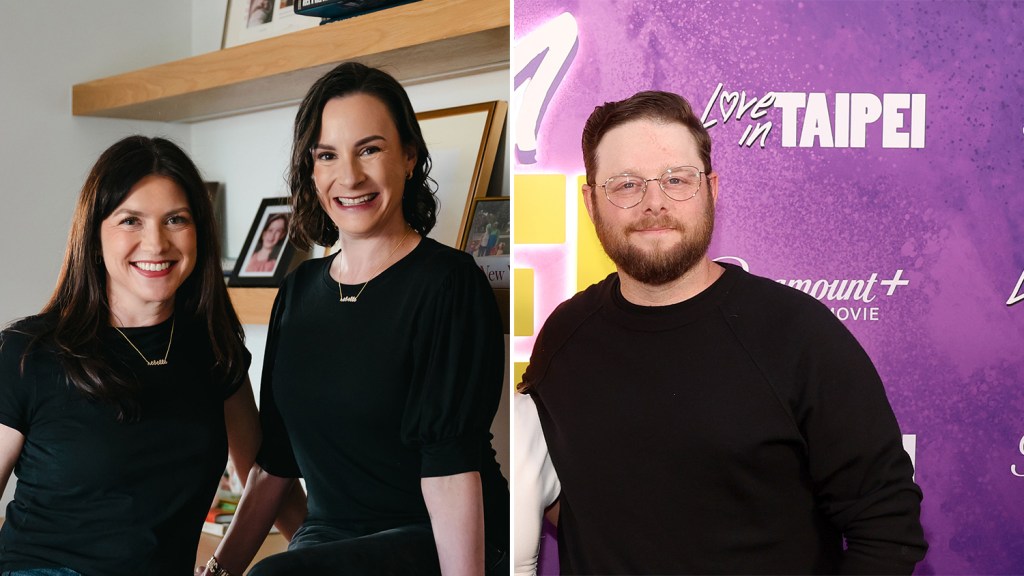
The romance adaptations Comic-Con conversation got loud and clear Friday: love stories are selling, but the people making them say studios and streamers need to treat the genre with more care.
At San Diego Comic-Con 2026, Veronica Roth moderated the panel “Romance: On the Big Screen: Why It’s About Damn Time,” where she said romance makes up 23% of all book sales. The panel included Christina Lauren authors Christina Hobbs and Lauren Billings, Ali Hazelwood, Maurene Goo, Magic Hour Entertainment co-founder Max Siemers and Rebelle Media co-founders Laura Lewis and Amanda Palley.
Lewis said theatrical romance has fallen more than 75% over the past two decades, even though the audience has not gone away. She pointed to Richard Curtis, Nancy Meyers and Nora Ephron films and shows as the kind of work that inspired Rebelle Media’s push into the space.
Why are romance adaptations getting more attention?
A romance adaptation turns a book centered on a love story into a film or TV project, often bringing a built-in readership with it. The panelists argued that the genre’s current screen boom is less a fad than Hollywood catching up with an audience that has long been buying the books.
Palley used the panel to reveal that Rebelle Media has added Sarah Adams’ When in Rome series to its development slate. Rebelle Media also has Christina Lauren’s The Paradise Problem in the works.
Billings said romance is powered largely by women writers and readers, while also embracing diversity and queer stories. She said the genre has cultural and economic force that Hollywood has not always respected.
The Christina Lauren duo also has In a Holidaze headed to Netflix as a film adapted by Tiffany Paulson. Billings and Hobbs recalled meeting 17 years ago while sleeping outside the San Diego Convention Center in line for a Twilight Saga: New Moon panel, a full-circle Comic-Con detail for two authors now watching romance occupy more space at the convention.
Siemers, whose Magic Hour Entertainment is behind an adaptation of Christina Lauren’s Love & Other Words, said some holiday-window romances can do well even when companies spend modestly on them. Billings said the better producers she has worked with study reader comments, fan casting chatter and the specific details readers love rather than chasing book recognition alone.
For Billings, the money question is chemistry. She said romance budgets should support the time and craft needed for tension between leads, including the looks, touches and scene work that make viewers believe the relationship.
Lewis and Palley said that chemistry is often the hook studios say they want. Lewis cited Off Campus and Heated Rivalry as examples of projects where the creative teams appeared to understand romance conventions and past rom-coms.
Siemers said visual polish matters too. He argued that recent romance films have sometimes lacked attention to cinematography, production design, costumes and color, and cited his Netflix work on 2018’s To All the Boys I’ve Loved Before as a case where those details were treated with care.
Casting, the panelists said, remains a choke point. Palley said schedules can force producers to choose among actors who are available when a director and lead actress are ready. Siemers said studios are making fewer projects than during the streaming boom and often have their own ideas about which actors justify a greenlight.
Goo said male actors should not dismiss romantic leads, pointing to Glen Powell in Anyone But You and noting that Tom Cruise and Tom Hanks built movie-star status in part through rom-coms. Palley added that producers still face a tricky mandate: buyers say they want sweeping romance, while often resisting period settings and stories without modern devices.
This story draws on original reporting from Deadline.