The Riverbank gets Premium Films deal before Locarno premiere
Premium Films and MPM Premium will handle global sales for the Recife-set thriller before its Locarno competition debut.
By Poppy Nakagawa · Culture Writer
3 min read
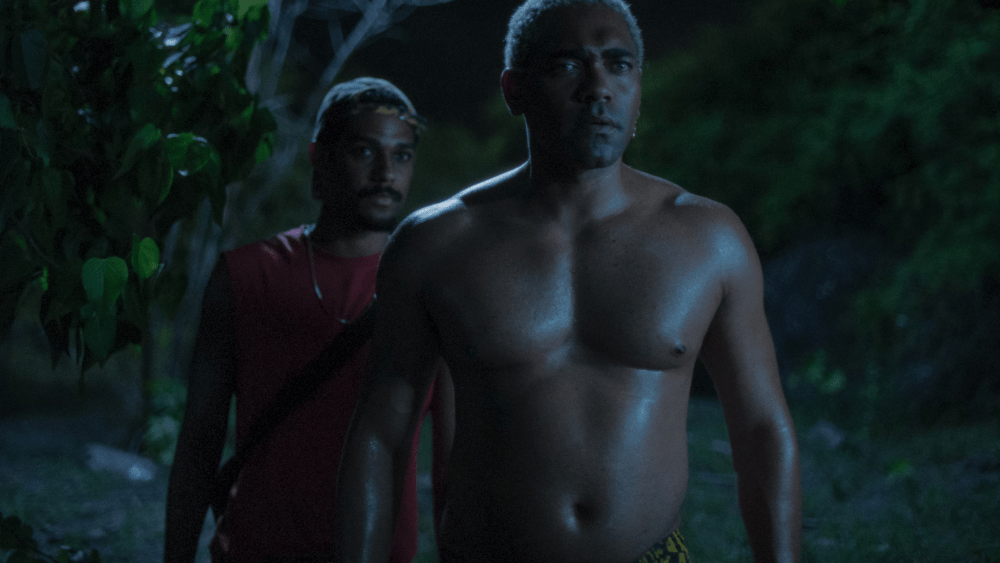
“The Riverbank” is heading to Locarno with a sales push already in place: Paris-based Premium Films and its feature-film sales arm MPM Premium have taken international sales rights to the Brazilian erotic thriller, Variety reported.
The film, whose Portuguese title is “A Margem do Rio,” is the first feature from Matheus Farias and Enock Carvalho. It will have its world premiere in the international competition at the Locarno Film Festival in Switzerland, which runs Aug. 5 to 15.
Set in Recife, the movie follows Izaquiel, a young cleaner played by Caique Copque, as his nighttime search for intimacy brings him into the orbit of Jeremias, a fisherman played by Ítalo Martins. According to the film’s description reported by Variety, the story moves into the mangroves as violence presses in and myth begins to blur with reality.
What is The Riverbank about?
“The Riverbank” is an erotic thriller that mixes crime, desire and magical realism in Recife’s mangrove world. Variety reports that the film also takes aim at structures of power, including the links between evangelical institutions and politics in Brazil.
The deal places the movie in the hands of Premium Films and MPM Premium just before its festival launch. Jean-Charles Mille, general manager of Premium Films and MPM Premium, told Variety that his team was drawn to the way the characters’ paths cross inside Recife’s nocturnal mangrove setting.
Mille described the film to Variety as a thriller where desire, danger, class politics and the unconscious become tightly connected. He said the company believes the filmmakers have used genre as a strong cinematic language, moving through mystery, sensuality and tropical magical realism while addressing domination, abuse of power and ideological control.
Farias and Carvalho arrive at their feature debut after their short “Inabitável” played at Sundance Film Festival five years ago, according to Variety. The new film also follows the international rise of Recife cinema after Kleber Mendonça Filho’s “The Secret Agent,” which included Farias as editor.
Farias won a Platino Award for his editing work on “The Secret Agent,” which was Oscar-nominated, Variety reported. Several performers from that film appear in “The Riverbank,” including Robério Diógenes, Kaiony Venâncio and Carlos Francisco.
Why did the filmmakers mix thriller, noir and magical realism?
Farias told Variety that he and Carvalho have been partners in life and work for 13 years, giving them a shared view of cinema. He said genre elements had appeared in their short films, though not as a calculated strategy, and named Mati Diop’s “Atlantics” and Ali Abbasi’s “Border” as visual and tonal references.
Carvalho told Variety that the film’s form grows out of Izaquiel’s experience: daily work and real places sit beside myth and non-realism. He said desire, fear and enchantment are close together in the story, emerging through the mangrove, a familiar part of their city.
The political thread is personal for Farias. He told Variety that Brazil’s recent years under the movement known as Bolsonarismo were frightening for him as a gay man, citing authoritarian ideas, persecution of minorities and artists, a pro-gun campaign and the role of major evangelical churches and religious leaders.
Farias also said he spent 20 years inside an evangelical church. He told Variety the film comes partly from the lasting impact of leaving an institution that shaped how he understood his body and desire.
“The Riverbank” is a Brazilian-German co-production from Gatopardo Filmes, Moçambique Audiovisual, Vitrine Filmes and Tama Filmproduktion. Variety reports that it received support from Projeto Paradiso, the World Cinema Fund, the Hubert Bals Fund, Ancine and Funcultura Audiovisual.
This story draws on original reporting from Variety.