AI power boom could spark a gas squeeze by 2028, investor says
Chronometer Partners’ Matthew Smith says data-center demand could help push U.S. natural gas into a supply crunch within two years.
By Frankie Delgado · News Reporter
3 min read
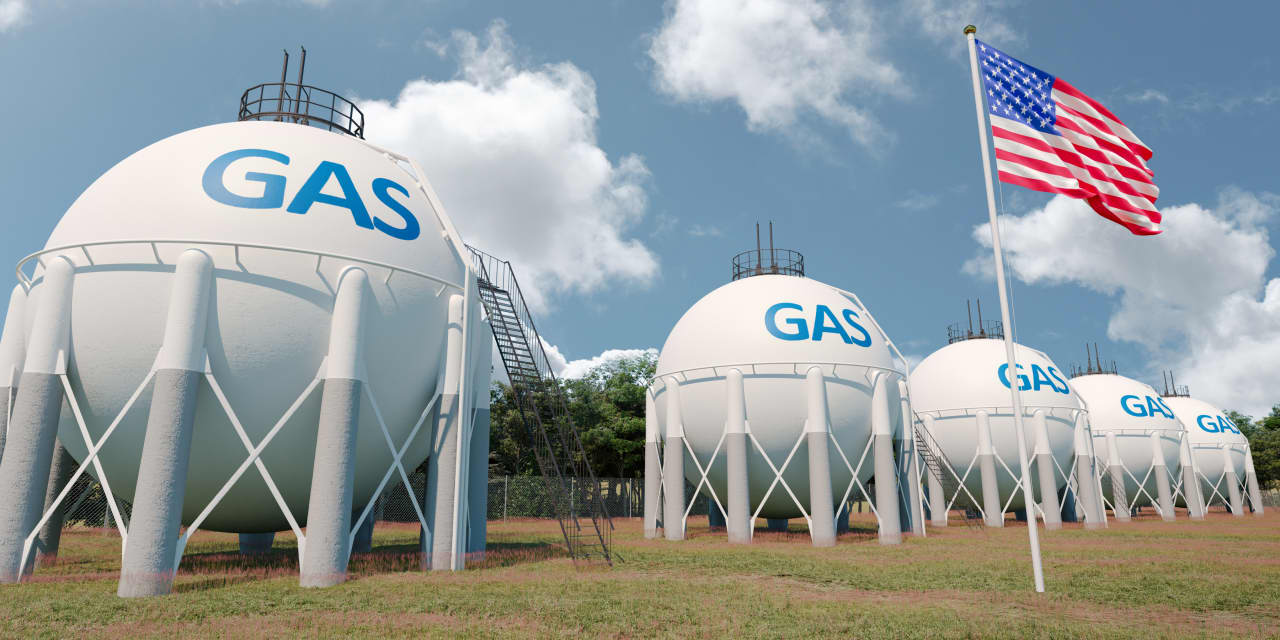
Natural gas may be the quiet market that wakes up angry in 2028, according to Matthew Smith, founder and chief investment officer of Chronometer Partners.
Smith told the Invest Like the Best podcast that his firm’s 18-month study points to a U.S. natural-gas shortage by mid to late 2028. The pressure point, he said, is a collision between power demand, liquefied-natural-gas exports and the electricity needs of artificial intelligence infrastructure.
Natural gas provides more than 40% of U.S. power generation, Smith said on the podcast. After years of plentiful shale supply, prices have barely stirred compared with oil: MarketWatch reported natural gas was down 8% in 2026 after little movement in 2025, while oil had gained about 50% this year amid continued U.S.-Iran fighting.
Why Smith sees a crunch coming
Chronometer’s research says the U.S. is producing about 110 billion to 112 billion cubic feet of gas a day and exporting 15 billion cubic feet daily. Smith said export capacity is set to reach as much as 35 billion cubic feet a day by the end of 2030.
The firm expects U.S. output to rise to no more than 132 billion cubic feet a day by the fourth quarter of 2030. Even before the full impact of AI demand, Chronometer projects a shortfall of more than 5 billion cubic feet a day.
Smith said the country could begin drawing down working gas storage by mid-2028, with higher electricity prices following into 2030. He argued that shutting off exports is unlikely because LNG projects are tied to major financing commitments and contracts.
Boosting supply also takes time, Smith said. New gas wells lose pressure as they age, while producers face years of development work along with permitting and regulatory hurdles.
The stocks he favors
Smith named several companies he believes are positioned to benefit if gas and power prices rise. His preferred natural-gas producers include Expand Energy, which he said controls high-quality rock that can be tapped more cheaply and quickly, and Range Resources, which he said has room to increase output.
He also pointed to solar companies XPLR Infrastructure and Clearway Energy, arguing that solar values could rise alongside natural gas and electricity prices. Smith said consumer demand for solar panels may grow as households look for ways to offset steeper power bills.
For the longer term, Smith said a worsening gas deficit in 2031 and 2032 would leave large-scale nuclear power as the main answer, with plants needing to come online around 2033 or 2034. He cited Cameco as a large-scale nuclear name and BWX Technologies as a key supplier of nuclear hardware for the U.S. Navy.
Who could feel the squeeze
Smith said companies tied to gas-powered AI infrastructure could face pressure if fuel costs rise. He singled out gas-turbine maker Caterpillar and fuel-cell generator company Bloom Energy, saying orders for their products could slow if gas becomes expensive and scarce.
He also warned that hyperscale technology companies could see energy costs take a bigger bite. Smith said those companies currently budget about 10% of costs for energy, but if gas prices double or triple, power could account for 20% to 30% of compute costs by 2029.
Smith’s view is a forecast, not a settled outcome. For now, he said, the market’s flat pricing curve suggests investors remain relaxed about gas, even as AI data-center plans pile up.
This story draws on original reporting from MarketWatch.