Apple iPhone lease starts at $17.99 a month in new Klarna program
Apple’s new Upgrade program lets U.S. customers lease devices, with iPhone plans from $17.99 a month and no AppleCare bundle.
By Sal Moretti · Money Reporter
3 min read
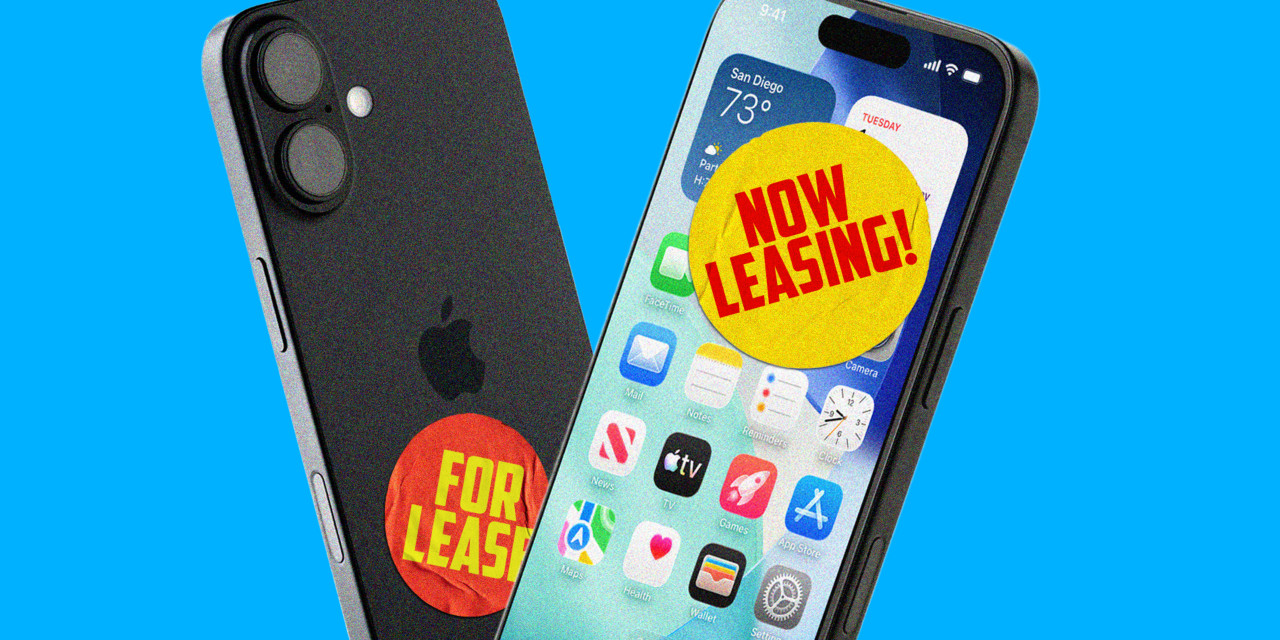
Apple is adding an Apple iPhone lease option for U.S. customers, turning its gadget checkout into something closer to a car lot: pay monthly, use the device, then decide whether to upgrade, buy it or send it back.
The company said the new Apple Upgrade program will offer iPhone lease options starting at $17.99 a month. MarketWatch reported the program is being launched with buy-now-pay-later company Klarna Group and will cover the iPhone, iPad, Mac and Apple Watch.
The move lands as Apple is facing pressure over higher device prices. MarketWatch reported that Apple raised prices on MacBook and iPad models by hundreds of dollars nearly a month earlier, citing memory-chip shortages and higher hardware costs. Wall Street expects iPhone prices to rise when Apple introduces its next lineup in the fall, according to MarketWatch.
How does the Apple iPhone lease work?
Under Apple Upgrade, customers pay for access to the device during the lease term rather than steadily paying toward ownership. At the end of the term, Apple says customers can move to a newer device, purchase the one they have or return it.
MarketWatch reported that iPhone and Apple Watch leases will run for 12 or 24 months. iPad and Mac leases will run for 24 or 36 months.
In the U.S., Apple is phasing out its current iPhone Payments and iPhone Upgrade Program in favor of Apple Upgrade, according to MarketWatch. One key difference for buyers: AppleCare is not included with the new lease.
Why Apple and Klarna are teaming up
Ivan Feinseth, chief investment officer and director of research at Tigress Financial Partners, told MarketWatch that spreading the cost of a pricey phone into a monthly lease could bring in buyers who might have skipped an upgrade because of the upfront cost.
Feinseth said the setup could help Apple lift sales while Klarna handles the credit risk. He also said returned devices could feed Apple’s Certified Refurbished and trade-in channels, giving the company a bigger role in a used-iPhone business that carriers and resellers already use heavily.
For Klarna, MarketWatch reported, the Apple deal could bring a major flow of recurring business as the company grows. Feinseth said longer hardware leases also pull Klarna away from its better-known pay-in-four model, which usually spreads payments across six weeks.
What consumers should check before leasing
Joon Um, a certified financial planner with Secure Tax & Account, Inc., told MarketWatch that shoppers should compare the full expected cost of a lease, not just the monthly payment. Technology loses value quickly, and a lease gives customers less room to sell, upgrade on their own schedule or exit early, he said.
Um told MarketWatch leasing can make sense for people who upgrade every one to two years. For people who keep devices for several years, buying is usually cheaper, he said.
Apple says the program requires only a soft credit pull. The company also warned that ending a lease before the initial term is over may bring substantial fees.
Damage is another catch. Apple said insurance is not part of the lease and customers may face fees if a device is lost, stolen or returned in a condition that fails to meet the lease requirements.
Feinseth told MarketWatch the program could create new headaches for Apple, including handling returned hardware at scale and dealing with disputes over wear and tear. He also said regulators, including the Consumer Financial Protection Bureau, states and international bodies, are paying closer attention to buy-now-pay-later and leasing programs, which could raise compliance costs over time.
This story draws on original reporting from MarketWatch.