Crashed Ford Fiesta sparks a $700 insurance choice
MarketWatch’s Moneyist says a damaged 2011 Ford Fiesta may be worth surrendering if repair costs are closing in on the car’s value.
By Sal Moretti · Money Reporter
3 min read
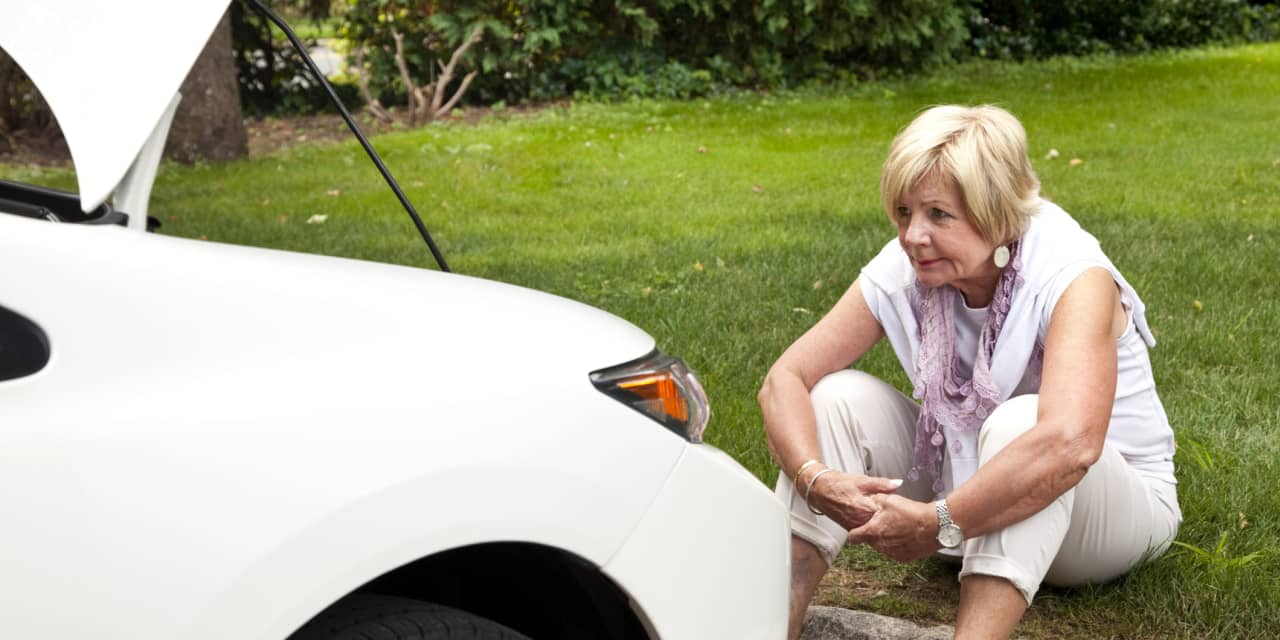
A 2011 Ford Fiesta with 177,000 miles has turned into a $700 decision after a crash left its front end badly damaged, according to MarketWatch’s Quentin Fottrell, who writes The Moneyist advice column.
The car belongs to a reader’s wife, who was recently in an accident. The reader told Fottrell the Fiesta has a bent hood, a cracked radiator and a destroyed front bumper, though the airbags did not deploy and the visible damage appears limited to those areas.
The insurance company gave the couple two choices, according to the reader: accept $2,000 and keep the vehicle, or take $2,700 and hand it over to the insurer. A salvage company separately offered $400 for the car.
The reader said repairs would likely cost at least $3,000 and asked why keeping the car with a $2,000 payout would make sense if its salvage offer was only $400.
The Moneyist’s take
Fottrell said the reader’s own repair estimate suggests the work may come close to, or exceed, the Fiesta’s value. He warned that spending money to get the car back on the road could leave the couple with an unreliable vehicle that needs more repairs later.
His advice split the decision by use case. If the couple only wants the Fiesta as a backup car, Fottrell said the $2,000 option could make sense. If they need a dependable daily driver that can be insured, pass inspection and retain resale value, he said they may be looking at the wrong car.
Fottrell wrote that, based on the described damage, putting money toward a newer and more roadworthy vehicle may be the better long-term financial move.
Hidden damage could change the math
Fottrell cautioned that visible damage is only part of the story. Even if the obvious problems are the hood, radiator and bumper, he said other components could also be affected, including the cooling system, headlights, sensors and other key parts.
He recommended that the couple hire an independent mechanic to inspect the Fiesta before making a final call. He also said they should ask the insurer for a valuation report explaining how the settlement figures were calculated.
Fottrell also urged the reader to ask the insurance adjuster direct questions: whether the vehicle is being treated as a total loss and whether a deductible has already been applied.
Salvage title warning
One possible catch is the car’s title. Fottrell said the couple’s state may require a salvage title, which would replace the current title and could affect the ability to resell, insure or register the vehicle later.
That issue matters if the couple plans to repair the Fiesta and keep driving it. A car that looks cheap to keep can become harder to own if paperwork, inspection or insurance rules complicate the process.
Fottrell also addressed the reader’s note that the airbags did not deploy. He said airbag deployment can sharply raise repair costs because it may involve the supplemental restraint system, sensors, computer resets or replacements, and even dashboard damage. But he added that a lack of deployment does not rule out damage to airbag sensors.
The column also cited a Moneyist Facebook Group member who said an insurer offered more than $6,000 after a 2004 Toyota Camry crash in California involving multiple deployed airbags. The member said the insurance company showed comparable vehicles used in the valuation, and the person later bought a used Prius.
For the Fiesta owner, Fottrell’s bottom line was plain: if reliability and future value matter, the bigger payout in exchange for giving up the car may beat sinking repair money into an aging vehicle.
This story draws on original reporting from MarketWatch.