Cyclospora outbreak puts food supply consolidation under scrutiny
Food safety experts say centralized produce networks may help contamination spread farther, as investigators examine shredded iceberg lettuce.
By Frankie Delgado · News Reporter
3 min read
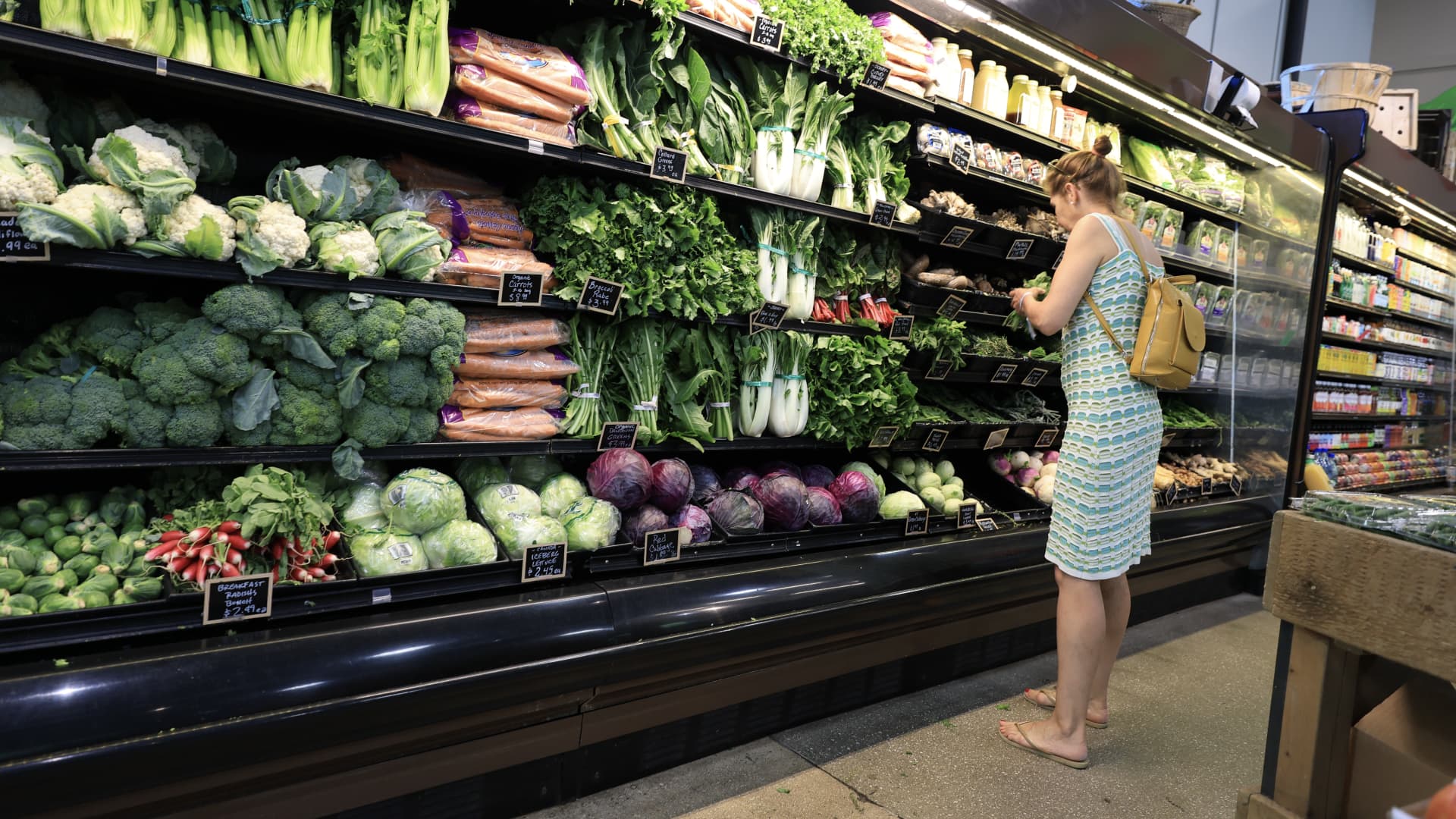
The cyclospora outbreak food supply question is getting sharper as thousands of U.S. illnesses put a spotlight on the way fresh produce is grown, processed and shipped through fewer, larger networks.
CNBC reported that federal investigators are still trying to identify the original point of contamination. Some food safety experts told the network that decades of consolidation in farming, processing and distribution may allow a problem that once stayed local to travel across state lines.
Dr. David Relman, a Stanford University professor of microbiology and immunology, told CNBC that changes in how food is sourced and distributed appear to have played a role. He said consolidation can turn a localized contamination issue into one that is mixed into larger product streams and then sent widely.
Marion Nestle, professor emerita of nutrition, food studies and public health at New York University, told CNBC that when fewer companies handle more food, the consequences grow when something goes wrong. Centralized processing can widen an outbreak’s reach, she said.
What is causing the cyclospora outbreak?
Investigators have not identified the original contamination source, according to CNBC. The FDA investigation has centered on shredded iceberg lettuce distributed through Taylor Farms’ foodservice business, which reached Taco Bell restaurants and other foodservice customers in several states.
Cyclospora is a parasite that causes cyclosporiasis. Experts cited by CNBC said its long incubation period and the difficulty of tracking its route through the supply chain can make outbreak investigations harder.
Relman pointed to bagged, chopped lettuce as an example of the modern food system’s risk. A single retail item can contain lettuce from many heads, then move through broad distribution channels rather than remaining tied to one small farm or market.
How did consolidation change the produce business?
The U.S. Department of Agriculture has described a long-running shift toward larger agriculture and food distribution companies as businesses pursue efficiency and national scale.
Taylor Farms has grown through acquisitions in recent years, CNBC reported, including Earthbound Farm in 2019, Curation Foods in 2021 and Equinox Growers in March. The company is the salad producer under scrutiny in the current investigation.
Restaurant supply has also become more concentrated. CNBC cited broadline distributors including Sysco, US Foods and Performance Food Group, which serve restaurants and institutional kitchens across the country.
Federal regulators blocked Sysco’s proposed $8.2 billion takeover of US Foods in 2015 on antitrust grounds. Since then, both companies have expanded through smaller deals, according to CNBC.
- Sysco acquired regional distributors including Paragon Foods, The Coastal Companies and Greco and Sons.
- US Foods acquired Freshway Foods in 2016, adding a fresh fruit and vegetable processor, repacker and distributor serving the eastern half of the United States.
Are bigger food companies less safe?
Not every expert sees size as the central problem. Timothy Lytton, a health and safety regulation expert at Georgia State University, told CNBC that large growers and processors often have more money for testing, audits, traceability and quality control than smaller operations.
Lytton also pointed to studies of California farmers markets that found E. coli contamination on produce grown by small farmers. He told CNBC that farms using organic models may sometimes keep animals near crops, a combination that can create food safety risks.
He still acknowledged that when contamination happens inside large handling and distribution systems, recalls can become broader and harder to manage.
CNBC said it contacted major suppliers named in its report about safety precautions and traceability. Sysco referred questions to the International Foodservice Distribution Association.
An IFDA spokesperson told CNBC that foodservice distributors keep detailed records showing where products came from, how they moved internally and who received them. The group said distributors have given the FDA key traceback information within 24 to 48 hours during outbreak investigations.
Relman told CNBC that consolidation does not create contamination by itself. The concern, he said, is what happens after contamination enters a larger, more centralized system.
This story draws on original reporting from CNBC.