ECB seen pausing at 2.25% as oil keeps hike risk alive
Traders largely expect no move in Frankfurt, but Citi, ING and Bank of America say energy prices could keep another rate increase on the table.
By Sal Moretti · Money Reporter
3 min read
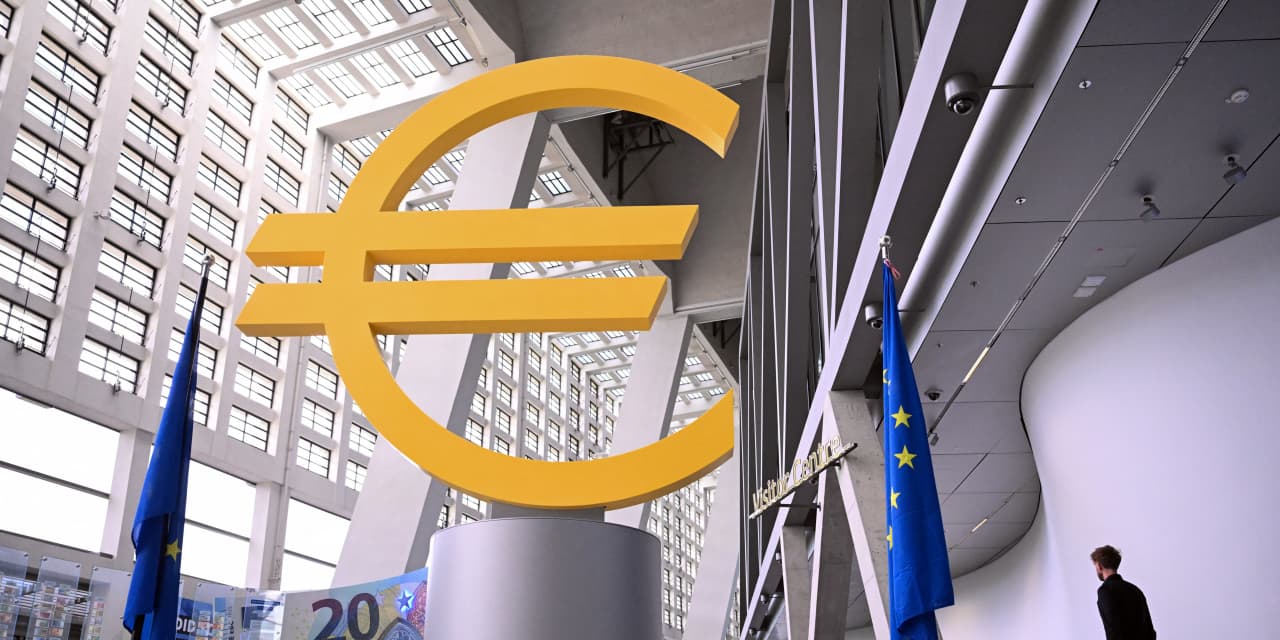
The European Central Bank is widely expected to sit tight on Thursday, but the market’s calm comes with a catch: analysts say rising oil prices could still push policymakers toward another increase later this year.
ECB Watch, which uses euro short-term rate futures to estimate policy odds, put the chance of no change at 92%. That would leave the key rate at 2.25%. The same tool showed an 8% probability of a quarter-point increase.
The ECB’s governing council is due to announce its decision at 8:15 a.m. Eastern after meeting at the central bank’s headquarters in Frankfurt, Germany.
Pause now, pressure later
Citigroup economists led by eurozone analyst Giada Giani expect the ECB to leave rates unchanged this week. In a recent note, the team said fresh inflation figures due Thursday and Friday could shape the case for a move after this meeting.
Citi said Middle East tensions and higher crude prices have returned as concerns, but the bank still sees enough restraint in inflation spillovers to support a pause for now. The Citi team nevertheless expects one more rate increase before the end of the year.
The euro-area annual inflation rate was 2.8% in June, down from 3.2% in May and below expectations of 3%. Citi also expects small gains in the eurozone purchasing managers index for July, while warning that consumer sentiment growth may stall because of higher fuel costs.
Oil is back in the frame
The ECB raised rates by 25 basis points in June to 2.25%, becoming the first Group of Seven central bank to increase rates in response to the energy shock linked to the war in Iran, according to MarketWatch.
Other major central banks took mixed paths later in June. The Bank of Japan lifted rates by 25 basis points to 1%, a level not seen since 1995, while the Bank of Canada, the Bank of England and the Federal Reserve all kept rates unchanged.
Oil prices eased after the U.S. and Iran signed a memorandum of understanding in mid-June, MarketWatch reported. Prices have since climbed again after a series of strikes between the two sides over the past 11 days and traffic through the Strait of Hormuz slowed to near a standstill. Brent crude was up 22% over one month.
Francesco Pesole, a strategist at ING, wrote Tuesday that the run of geopolitical and energy headlines since the June hike means a surprise increase at this meeting cannot be dismissed.
ING’s main expectation is a hawkish pause, with the ECB pointing toward a possible rate rise, perhaps in September. The bank said such a signal may come through a media leak rather than the official statement or press conference.
ING also expects the more hawkish members of the governing council to keep influence, which it said could leave markets pricing one or two additional hikes by year-end and reduce the risk that inflation expectations drift away from target.
Bank of America eyes September
Bank of America expects a quarter-point ECB hike in September because energy prices have rebounded. Analysts led by Ruben Segura-Cayuela said in a recent note that they do not see a broader tightening cycle building from here.
The Bank of America team said that whether the ECB raises rates once or twice this year, it expects policy rates to be no higher than 2% by the end of 2027. The bank’s view is that inflation will be less persistent than feared, and that the current energy shock does not resemble the 2022 episode.
This story draws on original reporting from MarketWatch.