El Niño could delay Fed rate cuts, MarketWatch columnist says
NOAA sees high odds of a very strong El Niño, and Robert Ross says food and energy shocks could keep inflation sticky.
By Frankie Delgado · News Reporter
3 min read
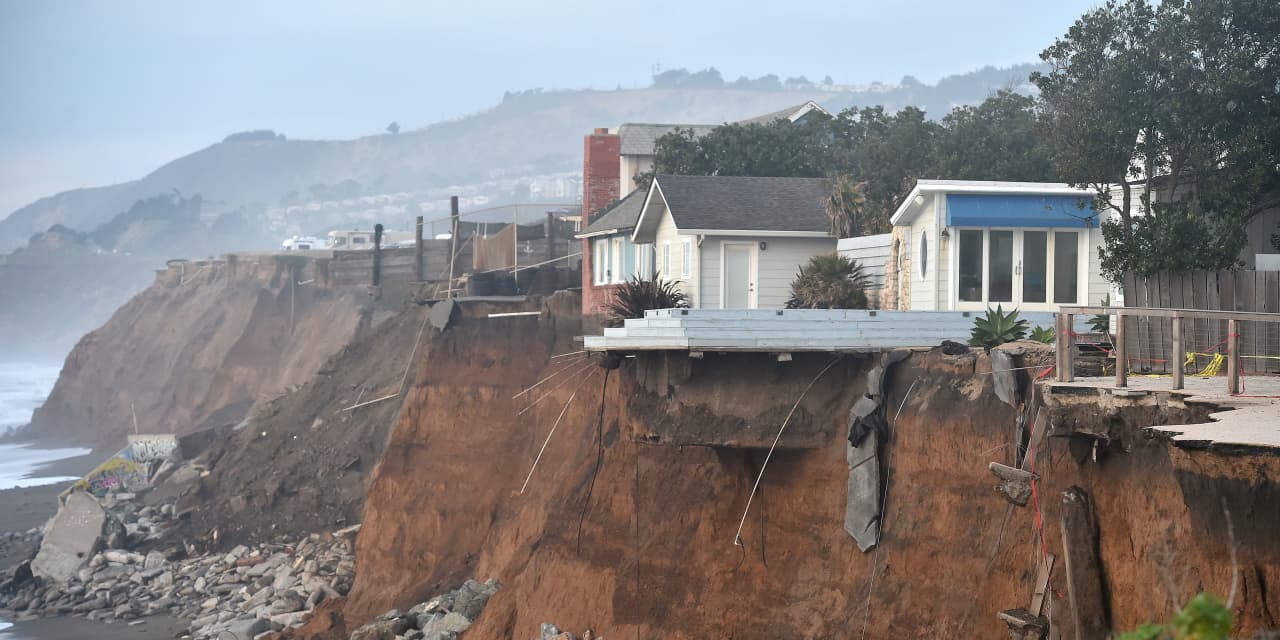
A powerful El Niño could put Fed rate cuts on ice until 2027 if weather-driven food and energy costs keep inflation under pressure, MarketWatch columnist Robert Ross argued in a July 28 opinion piece.
Ross wrote that the threat facing Federal Reserve Chair Kevin Warsh may come less from oil alone than from a one-two punch: disruption around the Strait of Hormuz followed by a climate pattern that can scramble crops, power demand and shipping costs.
The National Oceanic and Atmospheric Administration’s Climate Prediction Center sees an 81% chance of a very strong El Niño from October through December, according to the advisory cited by Ross. NOAA also puts the odds at 97% that El Niño conditions last into early spring.
How could El Niño affect Fed rate cuts?
El Niño is a recurring climate pattern that changes rainfall and temperature across the globe. NOAA says it can bring warmer, drier conditions to parts of the northern U.S., wetter weather to the Gulf Coast and Southeast, and heavy rain to California and the Southwest.
Ross’s argument is that those weather shifts could hit the economy in places consumers feel fast: grocery bills, electricity costs and transportation. Drought can hurt hydroelectric power and raise dependence on other fuels, while heavy rain or dry spells can dent harvests and push up food prices.
That would matter for the Fed because rate cuts become harder to justify if inflation looks sticky. Ross wrote that an oil shock tied to the Iran conflict could lift gasoline and transport costs first, then El Niño could extend the pain by pressuring food and power prices.
Warsh has said in congressional testimony that the central bank has “no tolerance” for inflation that stays too high, according to Ross. Ross also noted that former Fed Chair Jerome Powell said at a March press conference that central bankers usually look past temporary energy price spikes when setting rates.
The rub, Ross wrote, is timing. One price spike can be treated as temporary, but a string of shocks can make companies raise prices, workers seek higher wages and consumers expect inflation to remain elevated.
Which stocks did Ross say could benefit?
Ross pointed to companies that may gain from tighter energy and agricultural markets, while warning investors to be careful with businesses that need lower rates, cheap financing and strong consumer spending.
- Refiners such as Phillips 66 could benefit if refining margins strengthen, Ross wrote.
- Tanker operators such as International Seaways may gain from longer shipping routes and tighter vessel availability, according to Ross.
- Agricultural businesses could outperform if El Niño hurts harvests and lifts crop prices, he said.
Ross also flagged the other side of the trade: long-duration growth stocks, housing and weaker consumer companies could come under pressure if oil prices and Treasury yields stay high.
The backdrop is already tense. MarketWatch’s ticker data showed the U.S. 10-year Treasury yield at 4.636%, crude oil at $81.70 and the VIX at 18.81 at the time of the report.
Why the 2015 El Niño is part of the warning
Ross said the current event could grow into a rarer “super El Niño.” The last one, in late 2015 and early 2016, was tied to an estimated $3.9 trillion in global economic losses, according to climate research cited in his column, though Ross wrote that the U.S. was spared the worst of that episode.
His bottom line: if inflation expectations stay near the Fed’s 2% goal and wage and service-price pressures remain contained, the Fed could hold steady and wait. If households and businesses start treating 3% or 4% inflation as normal, Ross wrote, Warsh may have less room to cut.
This story draws on original reporting from MarketWatch.