Energy stocks sprint ahead as oil giants add billions in market value
MarketWatch columnist Brett Arends says oil-and-gas shares have trounced tech and the S&P 500 this year, while smoke and high gas prices hang over the U.S.
By Frankie Delgado · News Reporter
3 min read
Energy shares are having a banner year while much of the market wheezes behind them, according to MarketWatch columnist Brett Arends.
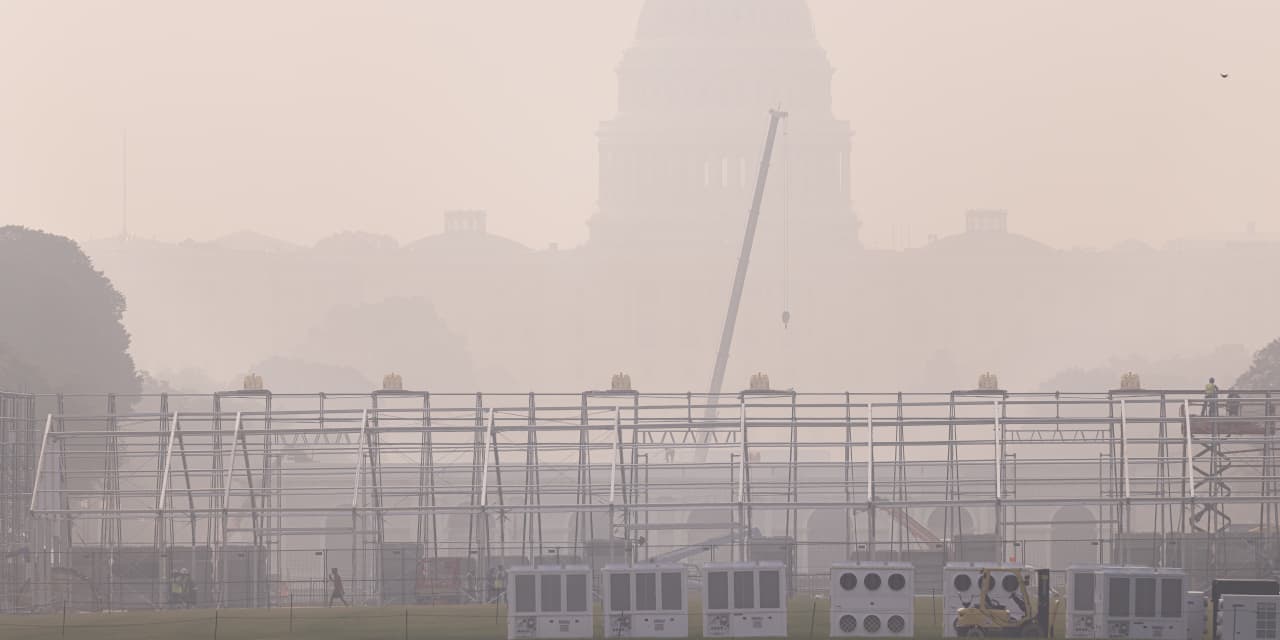
In a July 17 column, Arends pointed to a sharp rally in U.S. oil-and-gas stocks as wildfires, heat and gasoline prices above $4 put energy back at the center of the market conversation.
FactSet data cited by Arends show ExxonMobil has gained $97 billion in market value since Jan. 1. Chevron has added $62 billion over the same stretch.
The gains have been even punchier for refiners. Arends reported that Marathon Petroleum investors have earned a 90% return this year, while Valero Energy investors have seen an 87% return.
The broader energy trade has also beaten the market. The State Street Select Energy ETF, known by its ticker XLE, is up 28% since the start of the year, according to the MarketWatch column.
That is double the gain for Invesco QQQ, the exchange-traded fund that follows the Nasdaq-100, Arends wrote. The S&P 500 has risen 9%, while the Magnificent Seven fund cited in the column is up 2%.
Energy has beaten tech over five years, too
Arends said the outperformance is not limited to 2026. Over the past five years, XLE has delivered a total return of 183%, including reinvested dividends, according to figures in the column.
By comparison, QQQ has returned 101% over that period, while the S&P 500 has returned 78%, Arends reported.
His argument for holding some energy exposure is straightforward: oil-and-gas shares can rise during periods when bonds and broader equities fall, especially when an energy shock is part of the problem.
Arends also warned that the rally may be sending an uncomfortable signal for drivers. Energy-stock prices tend to track next year’s oil futures more closely than today’s spot prices, he wrote, so the strength in the sector may not point to cheaper gasoline soon.
Rich prices, lower yields
Arends said the current setup may favor taking some profits over buying more energy shares. Using XLE as a stand-in for the sector, he said the fund is trading at 2.47 times book value, above its 20-year average of about two times.
He also noted that XLE’s forecast dividend yield is 2.83%, down from 3.6% at the end of last year and below historical averages.
The column said many senior executives at energy companies are benefiting from the rally through options, restricted stock and bonuses, with some making millions or tens of millions of dollars.
Smoke risk remains in view
The market story landed alongside a public-health warning. Arends cited wildfire smoke affecting U.S. cities and asked Cleveland Clinic pulmonologist Amanda Morgan how concerned people should be.
Morgan’s advice, as quoted by MarketWatch, was: “Don’t panic, but be sensible.” She said people with respiratory conditions should limit time outdoors in smoky air, and added that generally healthy people should take similar precautions.
Arends also cited a study from last year that found forest fires around the world were typically followed by increases in emergency-room visits, hospital admissions and deaths. The study involved Harvard, the University at Buffalo, the University of Washington and institutions in China, according to the column.
This story draws on original reporting from MarketWatch.