GM sets up $4.5 billion parts financing backstop
GM’s new facility lets suppliers be prepaid for critical inventory, aiming to reduce the risk of production disruptions.
By Sal Moretti · Money Reporter
3 min read
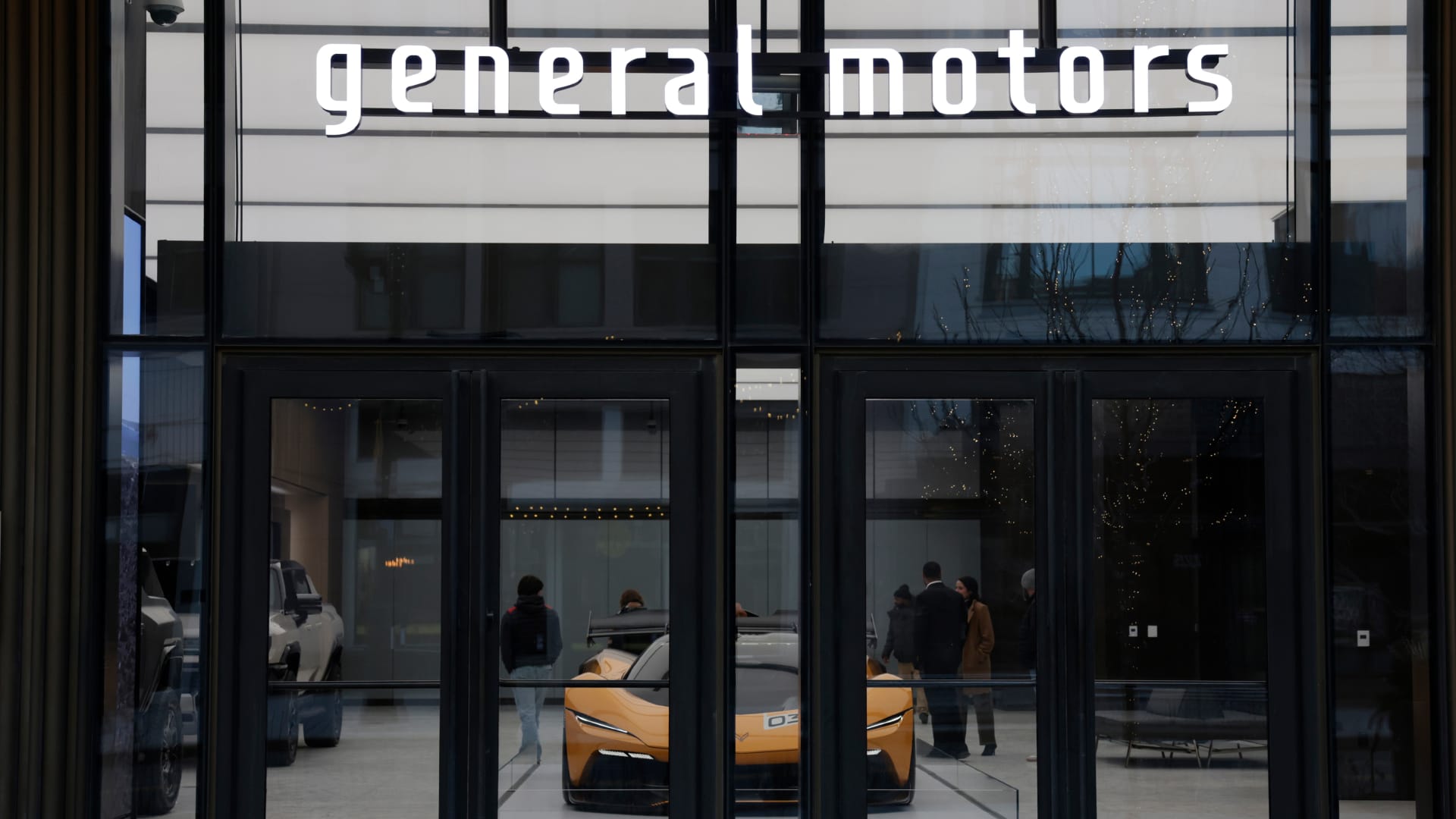
General Motors has created a GM $4.5 billion parts deal that is less a conventional purchase contract than a financing backstop for future inventory. CNBC reported that the automaker’s facility is designed to help secure critical parts supply after years of disruptions across the car industry.
The arrangement brings together GM, Procura Auto Parts and a bank group led by JPMorgan Chase and Banco Santander. GM did not disclose which components could be covered.
How does GM’s $4.5 billion parts deal work?
The structure has a clear job: banks fund Procura’s prepayments to selected GM suppliers, allowing Procura to acquire and hold inventory for GM vehicle production. GM provides irrevocable payment undertakings, known as IPUs, which are formal commitments to repay once the inventory is used in production.
An IPU gives the finance provider a written promise of payment from the buyer. Mayer Brown says such commitments can give lenders greater confidence to finance a buyer’s suppliers, particularly where the suppliers might not otherwise have access to that funding.
- Banks provide the funding.
- Procura prepays selected suppliers and holds the inventory.
- GM issues payment commitments backing the arrangement.
- GM pays after it uses the inventory in production.
GM can have as much as $4.5 billion in IPUs outstanding at one time, according to a summary of its 8-K filing published by Stock Titan. The 12-month period for issuing the commitments began Aug. 7, 2026.
What will the program cost GM?
The filing terms say GM will pay interest at the Secured Overnight Financing Rate, or SOFR, plus 1.55% on outstanding IPUs. It also faces a 0.25% annual fee on the daily average unused part of the facility during its availability period, according to the filing summary.
For accounting purposes, GM will record the prepayments as an asset and the IPUs as unsecured debt. The related amounts will stay out of adjusted automotive free cash flow until GM buys the inventory, CNBC reported.
The available reports differ on the last possible payment date. CNBC’s account of the filing says no later than July 31, 2029, while Stock Titan’s filing summary gives Aug. 6, 2029. GM’s underlying filing would be needed to settle that discrepancy.
Which parts are covered?
GM has not identified the components targeted by the facility. That leaves open whether it will cover chips, rare-earth-related materials, wiring harnesses or other items that have caused broader industry trouble in recent years.
The financing program is separate from GM’s wider effort to reduce exposure to China-linked supply chains. Reuters reported in November 2025 that GM had asked several thousand suppliers to seek alternatives to China-sourced materials and parts for North American-built vehicles, with some facing a 2027 deadline.
That shift can be costly and complicated because China is deeply embedded in automotive manufacturing for areas including lighting, electronics and tool-and-die work, Reuters reported. The new facility does not guarantee shortages will be avoided, but it gives GM a way to fund and secure inventory it considers critical before a disruption reaches vehicle production.
This story draws on original reporting from CNBC.