Goldman economist says inflation pressure is spreading again
Jessica Rindels found high inflation is broader than before the pandemic, though still far below the 2022 peak.
By Frankie Delgado · News Reporter
3 min read
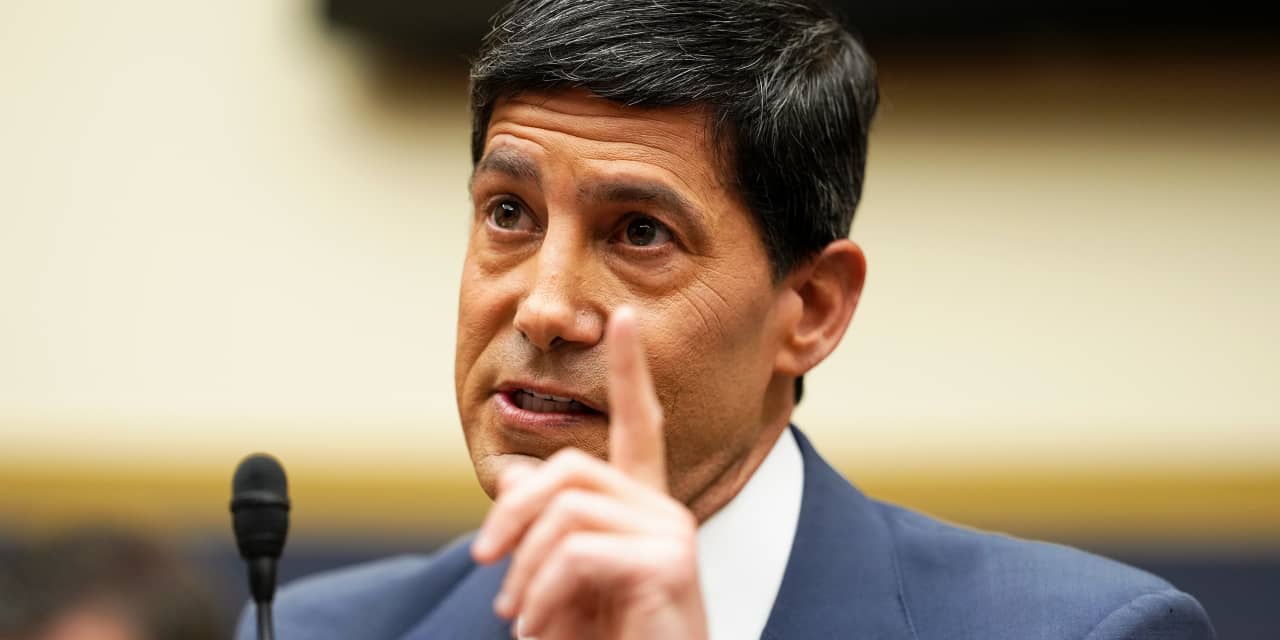
Inflation is creeping across more corners of the economy again, according to Goldman Sachs economist Jessica Rindels, giving Federal Reserve Chair Kevin Warsh the exact problem he warned Congress about last week.
Warsh told lawmakers that a key part of his job is making sure isolated jumps in prices do not “broaden out.” Rindels’ latest work suggests that, by one major measure, they already have spread more than they did in the decades before the pandemic.
The finding comes with a useful caveat for the Fed: Goldman’s gauge shows today’s pressure is far below the 2022 inflation surge that rattled consumers, markets and policymakers.
Goldman’s inflation breadth check
Rindels examined inflation breadth across sectors using personal consumption expenditures data, the inflation measure the Fed says it prefers. Her analysis looked at six-month annualized changes, then sorted the data in two ways: by each category’s weight in PCE and by treating categories one by one.
On Goldman’s 0-to-10 scale, the 1990-to-2019 average is set at zero and the 2022 inflation peak is set at 10. Rindels found that the share of PCE categories running above 3% inflation now scores a 6 on a weighted basis.
The picture looks less heated when every category is counted equally. On that unweighted reading, the gauge comes in at 2, according to Rindels.
That split matters because the weighted version gives more influence to categories that make up a larger share of consumer spending. Goldman’s chart described the breadth of high inflation as above the 1990-to-2019 norm, especially on the weighted measure, while remaining well under the pandemic-era high.
Where prices are running hottest
Rindels identified several areas with the fastest price increases. The list includes video and audio, financial services, medical services, and airfares and transportation.
There may be relief ahead in one closely watched category. Rindels forecast that house rentals will begin to lose force as an inflation driver by the fourth quarter and fall below 3%.
That would be welcome news for Warsh after testimony that MarketWatch described as hawkish in tone. Since that appearance, the U.S. two-year Treasury yield has edged lower, moving from nearly 4.3% to 4.18% on Monday.
Rate traders are still bracing for a tense few months. According to CME FedWatch, markets put an 85% probability on the Fed leaving rates unchanged at its July meeting. For September, CME FedWatch showed a 52% chance of a quarter-point rate increase.
Stocks were pointing higher before the opening bell Monday, with S&P futures indicating a 22-basis-point rise in the index.
The message from Goldman’s analysis is a mixed one for the central bank. Inflation pressure is broader than the pre-pandemic benchmark, especially after accounting for consumer spending weights, while the economy remains far from the intensity of the 2022 price spike.
This story draws on original reporting from MarketWatch.