Hertz renter spots windshield crack and gets told to sit tight
MarketWatch’s Moneyist says a driver who reported a cracked rental windshield has done the key thing and should wait for Hertz to make the next move.
By Sal Moretti · Money Reporter
3 min read
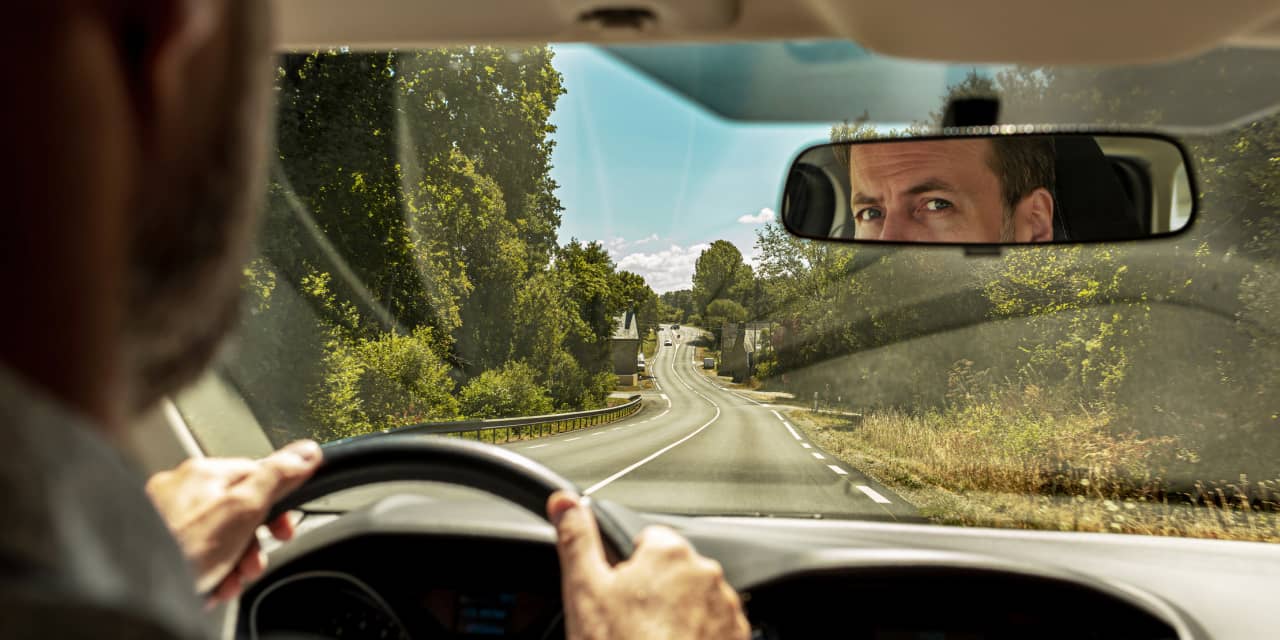
A Hertz customer returned a weekend rental in Maryland and found a windshield problem that had gone from a chip to an roughly eight-inch crack, according to a question sent to MarketWatch’s Moneyist column.
The driver said they did not know when the damage happened, did not hear a rock strike the glass while driving and did not notice the crack until the car was being returned. They reported the damage to Hertz at drop-off and later asked whether they should call the company again, since no bill had arrived.
The bill, if it comes, could be awkward. The driver told MarketWatch they have a $2,000 deductible and do not plan to file a claim through their own insurer. They also live in Florida, where windshield replacement is typically covered without a deductible, but the rental took place in Maryland.
The Moneyist’s advice: do not chase the bill
Quentin Fottrell, who writes MarketWatch’s Moneyist column, told the renter that they had already taken the key step by flagging the cracked windshield when the car was returned.
Fottrell said Hertz may decide to absorb the cost and, if so, the driver may hear nothing. If Hertz decides the renter owes money, the company will contact them, he wrote.
The column’s advice was blunt on the follow-up call: do not ring Hertz a second time to ask whether a charge is coming. Fottrell said the renter has already reported the damage as required, and rental damage claims can take several weeks, or even a few months, if a vehicle needs inspection or repair.
He advised the driver to keep the rental paperwork handy in case Hertz later says the renter is responsible.
Where coverage could come from
Fottrell laid out several possible ways the crack could be handled if Hertz seeks payment. The driver could look to personal auto insurance, depending on the policy terms, though the driver had already said the $2,000 deductible makes that unattractive.
Another possibility is the credit card used to pay for the rental. Fottrell cited travel expert Rick Steves, who says many credit cards include no-deductible collision coverage for rental cars when the rental is paid for with the card.
Steves writes on his website that card coverage can pay damage costs, although dealing with a credit-card claim may be more cumbersome than using the rental company’s own collision damage waiver.
Fottrell also pointed the driver to the rental agreement. A collision damage waiver or loss damage waiver, if purchased, can waive financial responsibility when the rental vehicle is damaged or stolen. He described those waivers as optional agreements rather than insurance policies, and said they cover the rental vehicle itself, not injuries or damage to other people or property.
Steves cautions that accepting coverage offered by a rental agency may cause a renter to lose access to credit-card coverage. He also says some rental companies treat customers who decline the company’s waiver as liable for the full deductible, which can be as much as the cost of the car.
The Moneyist’s bottom line was simple: the renter reported the crack, should wait, and should be ready to respond if Hertz sends a claim.
This story draws on original reporting from MarketWatch.