Iran conflict oil prices could climb $7 to $8 a month, JPMorgan says
JPMorgan says Brent could average $114 if disruptions last three months, while U.S. gasoline may top $4.50 after two more months.
By Sal Moretti · Money Reporter
3 min read
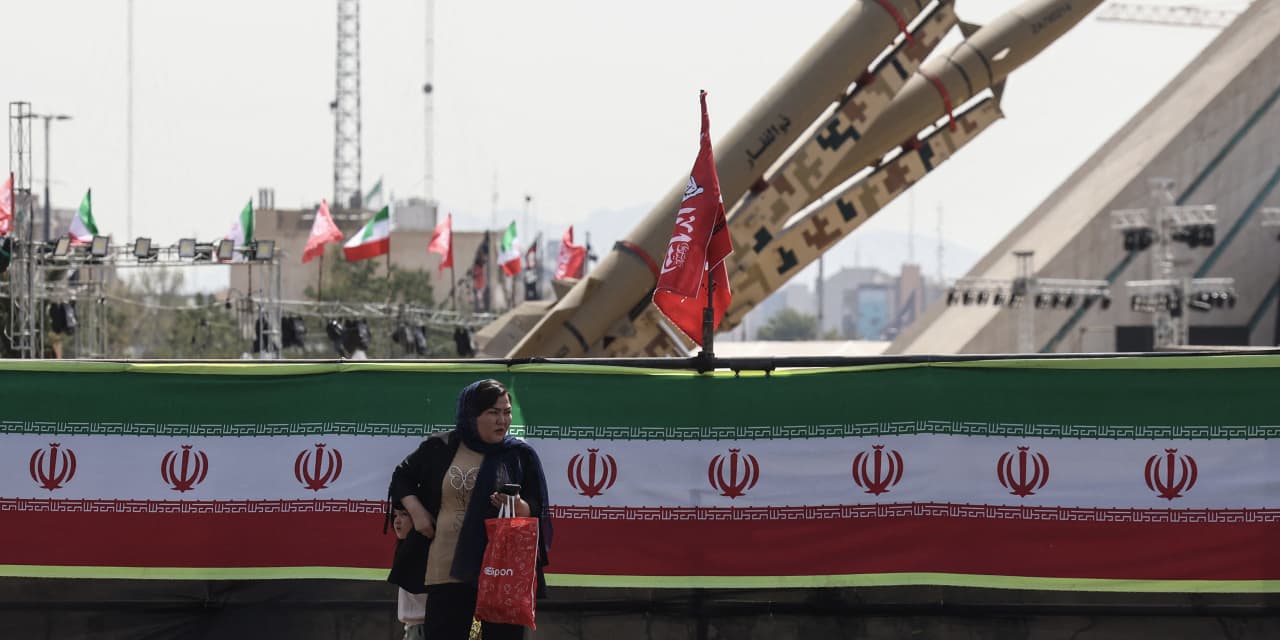
Iran conflict oil prices could grind higher with every extra month of disrupted supply, according to JPMorgan analysts, who put the potential increase at about $7 to $8 a barrel for Brent crude for each additional month.
In a Thursday note led by Natasha Kaneva, JPMorgan’s head of global commodities research, the bank said a one-month conflict would likely keep Brent’s monthly average near $94 a barrel. The analysts said weak demand and China’s ability to keep crude imports unusually low have helped offset the strain from lost supply, but warned that those cushions are limited.
JPMorgan estimated that Brent could average about $114 a barrel if the disruptions stretch to three months, as available barrels become harder to pull into the market.
How much could Iran conflict lift oil prices?
JPMorgan’s estimate is that each extra month of disruption adds roughly $7 to $8 a barrel to Brent crude. Brent is the global oil benchmark used to price much of the world’s crude, so moves in Brent can feed through to fuel costs and inflation expectations.
MarketWatch reported that Brent jumped more than 7% to $100 a barrel on Thursday, closing at a two-month high, after Yemen’s Houthi militants claimed attacks on two Saudi tankers in the Red Sea. President Donald Trump also threatened a “massive attack” on Iran in response to the renewed danger to oil flows, according to the report.
Prices pulled back Friday. Brent was down 2% at $98.81 a barrel, while U.S. crude futures were also off 2% at $90.38, after settling Thursday at $92.19, their highest level in seven weeks, MarketWatch reported.
The JPMorgan team said Brent at $100 a barrel was still only $13 above the bank’s July fair-value estimate of $87. That gap, the analysts said, suggests traders are adding only a modest premium for geopolitical risk.
The bank’s earlier assumptions included the Strait of Hormuz reopening on June 1 and tanker traffic, including rerouted shipments, recovering to 73% of prewar levels by now. Instead, JPMorgan said traffic is at 50%, including 7 million barrels a day of flows rerouted through pipelines that are increasingly exposed to Red Sea disruption.
JPMorgan said the market has managed to rebalance because demand has fallen sharply. Since the conflict began, the world has lost about 11.1 million barrels a day of supply, while demand has dropped by 5.1 million barrels a day, offsetting about 46% of the lost supply, according to the analysts.
What could happen to U.S. gas prices?
JPMorgan said gasoline does not have to race toward $5 a gallon if demand remains near current depressed levels, even if disrupted flows through both straits fall by another 4 million barrels a day.
AAA put the national average for gasoline at $4.1050 a gallon on Friday. JPMorgan said another month of disruption would likely lift the national average to about $4.20, while two more months would likely push it back above $4.50.
For drivers, the bank’s message is blunt: the length of the conflict matters as much as the first shock. The longer supply trouble lasts, the more the market has to lean on a shrinking reserve of available barrels.
This story draws on original reporting from MarketWatch.