Micromanaging boss? Experts say don’t fight control with control
Workplace experts told MarketWatch that employees should use clear updates and goal-setting, not passive-aggressive tactics, to handle micromanagers.
By Sal Moretti · Money Reporter
3 min read
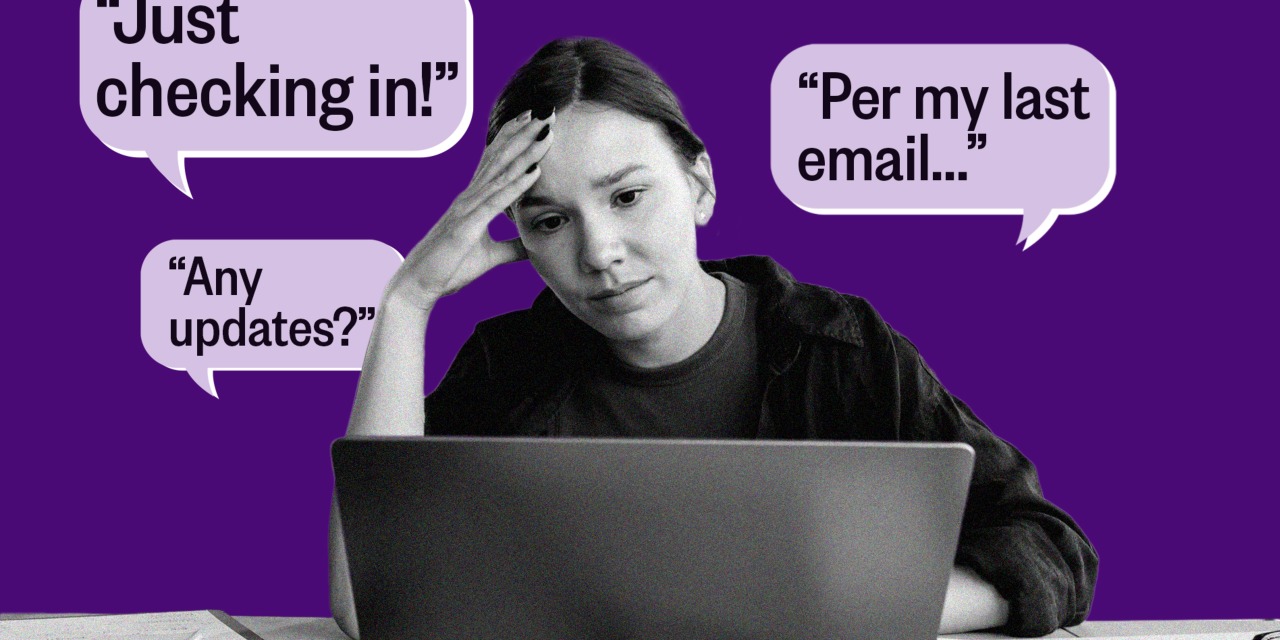
A boss who keeps asking for updates can do more than wreck your flow. Workers who feel micromanaged are far more likely to report stress, according to workplace research cited by MarketWatch.
In a Don’t Short Yourself column published by MarketWatch, personal-finance reporter Aditi Shrikant laid out advice from workplace experts on how employees can respond when a manager hovers, checks in too often or demands frequent progress reports.
The issue is not rare. The American Psychological Association’s 2023 Work in America survey found that 64% of workers who felt micromanaged also said they felt tense or stressed, compared with 36% of workers who did not feel micromanaged. A 2024 Kickresume survey of 3,000 workers ranked micromanagers as the second-most annoying people to work with, behind colleagues who take credit for someone else’s work.
Don’t micromanage the micromanager
MarketWatch noted that TikTok is packed with advice on the subject, with the #micromanager tag drawing 230.2 million views. One popular tactic urges employees to “micromanage” their boss back by sending constant updates, asking unnecessary questions and writing summaries of every small interaction.
Henna Pryor, a workplace-performance expert and executive coach, told MarketWatch that approach is likely to make things worse. “The goal isn’t to out-control your controller,” Pryor said. “That’s a battle no one wants to fight.”
Tessa West, a psychology professor at New York University and author of “Jerks at Work: Toxic Coworkers and What to Do About Them,” told MarketWatch that micromanaging often reflects a manager’s own pressure or insecurity, rather than a lack of faith in a specific employee.
“Nine out of 10 times [micromanaging] has nothing to do with trust or the person,” West said. “It could be because they are insecure about their own performance.”
Check the office playbook
West advised employees to ask successful colleagues, including people who previously held the same job, how often the boss expects updates and what format they prefer. What feels intrusive to one worker may be the standard rhythm of a team.
“Go to people who are successful at work, who held your role before or currently, and say, ‘This is the type of treatment I’m getting from my boss. Is this normative?’” West told MarketWatch.
The next move, according to the column, is to set a meeting with the manager focused on goals and process. Employees should avoid framing the conversation as a complaint about overbearing behavior, MarketWatch reported, and instead ask to agree on clear expectations for a project.
West said this can help both sides because micromanagement also drains managers’ time. “Micromanagement is a time suck for micromanagers,” she said. “They get nothing done but are working all the time.”
Reliability is the quiet power move
Once a plan is set, employees need to follow it, the experts said. That could mean sending a short morning status email, writing meeting notes or giving a no-surprises heads-up before a deadline gets shaky.
Pryor told MarketWatch that predictability helps reduce the uncertainty that can fuel micromanaging. “Being consistently, predictably reliable is one of the most underrated forms of workplace influence,” she said. “Trust is built in the boring moments like the on-time update and the no-surprises heads-up.”
Still, West said some micromanagers are inconsistent and may keep shifting expectations. MarketWatch pointed to a 2023 Monster.com survey in which 46% of workers said they would leave a job because of a micromanager, while three in four said micromanagement was the biggest red flag about a workplace.
The practical takeaway from the experts: try to understand what your manager needs, agree on a communication plan and stick to it. If that still does not improve the relationship, looking for another role may be the cleaner exit.
This story draws on original reporting from MarketWatch.