Moody's AI spending warning hits Amazon, Meta, Alphabet and Microsoft
Moody’s says AI data-center spending is squeezing cash flow and raising balance-sheet risk at six major tech companies.
By Frankie Delgado · News Reporter
3 min read
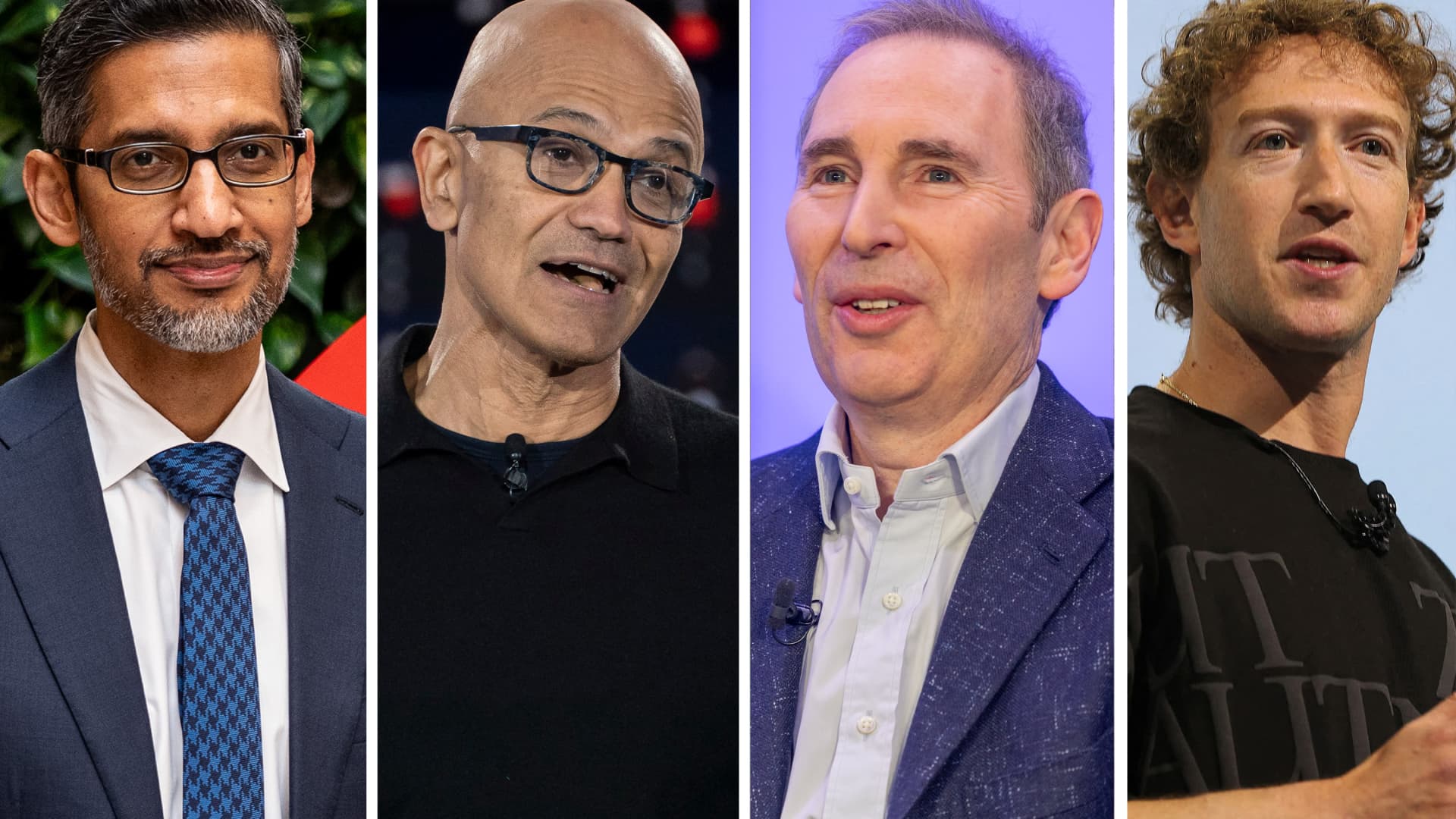
A Moody’s AI spending warning has put a bright spotlight on the cost of the tech industry’s race to build data centers, chips and cloud capacity for artificial intelligence.
In a research note released Wednesday, Moody’s Ratings said the AI infrastructure boom is cutting into free cash flow and raising balance-sheet risk at six companies it tracks: Microsoft, Amazon, Alphabet, Meta, Oracle and CoreWeave.
The ratings firm said even cash-rich companies such as Alphabet and Microsoft are using more debt, stock sales and financing arrangements kept outside traditional debt totals to pay for AI expansion. Moody’s said the shift “threaten[s] credit quality” across the group.
Why is Moody's worried about AI spending?
Moody’s said the largest cloud companies are moving away from software-heavy business models that needed relatively low capital investment and toward AI systems that require expensive physical infrastructure. The firm said generative AI needs large data centers packed with costly, power-hungry servers and chips.
Capital expenditures, or spending on long-term physical assets such as data centers, are projected by Moody’s to reach $785 billion in 2026 and about $1 trillion in 2027.
That kind of spending can strain free cash flow because the money is paid upfront while the revenue arrives later, Moody’s said. The ratings firm said investors will increasingly watch whether the companies can earn enough from AI to justify the outlay.
How much debt and leasing risk did Moody's flag?
Moody’s said direct debt across the six companies has climbed to about $460 billion. Alphabet also announced an $85 billion equity sale last month to help expand AI infrastructure and computing capacity, according to the company announcement cited in the report.
The ratings firm also pointed to long-term data-center leases as a major pressure point. Moody’s said lease commitments across the six companies have grown to $1.2 trillion, including more than $820 billion tied to data centers that are still under construction and have not yet begun.
Those leases are not counted the same way as standard debt on company balance sheets, Moody’s said, but the firm treats them as debt-like obligations because they commit companies to large future rent payments.
Which companies face the sharpest pressure?
Moody’s said Microsoft, Alphabet, Amazon and Meta still have some of the strongest corporate balance sheets in the world. The firm said their investment-grade ratings are not under immediate threat, even as cash flow tightens and borrowing room narrows.
The pressure is more concentrated at Oracle and CoreWeave, according to Moody’s. Oracle is rated Baa2 with a negative outlook, two notches above junk status, while CoreWeave is rated Ba3 in the high-yield market and uses complex private-debt structures to finance its GPU fleets, Moody’s said.
Moody’s also flagged tight links inside the AI boom. The firm said some large order backlogs come from strategic deals with pre-IPO AI labs such as OpenAI and Anthropic, where big tech companies invest billions and the labs then spend heavily on cloud services from the same firms.
That web of relationships increases risk because major players are leaning on many of the same customers and assumptions about future AI demand, Moody’s said.
Even with those risks, Moody’s said AI computing demand remains strong, cloud businesses are still growing and the companies have signed hundreds of billions of dollars in long-term customer contracts. Those contracts, the firm said, help support credit profiles during the spending surge.
This story draws on original reporting from CNBC.