Novo Nordisk takes Eli Lilly to court over weight-loss drug ads
Novo says Lilly’s GLP-1 ads use old trial comparisons that make Zepbound and Mounjaro look unfairly stronger than rival drugs.
By Sal Moretti · Money Reporter
3 min read
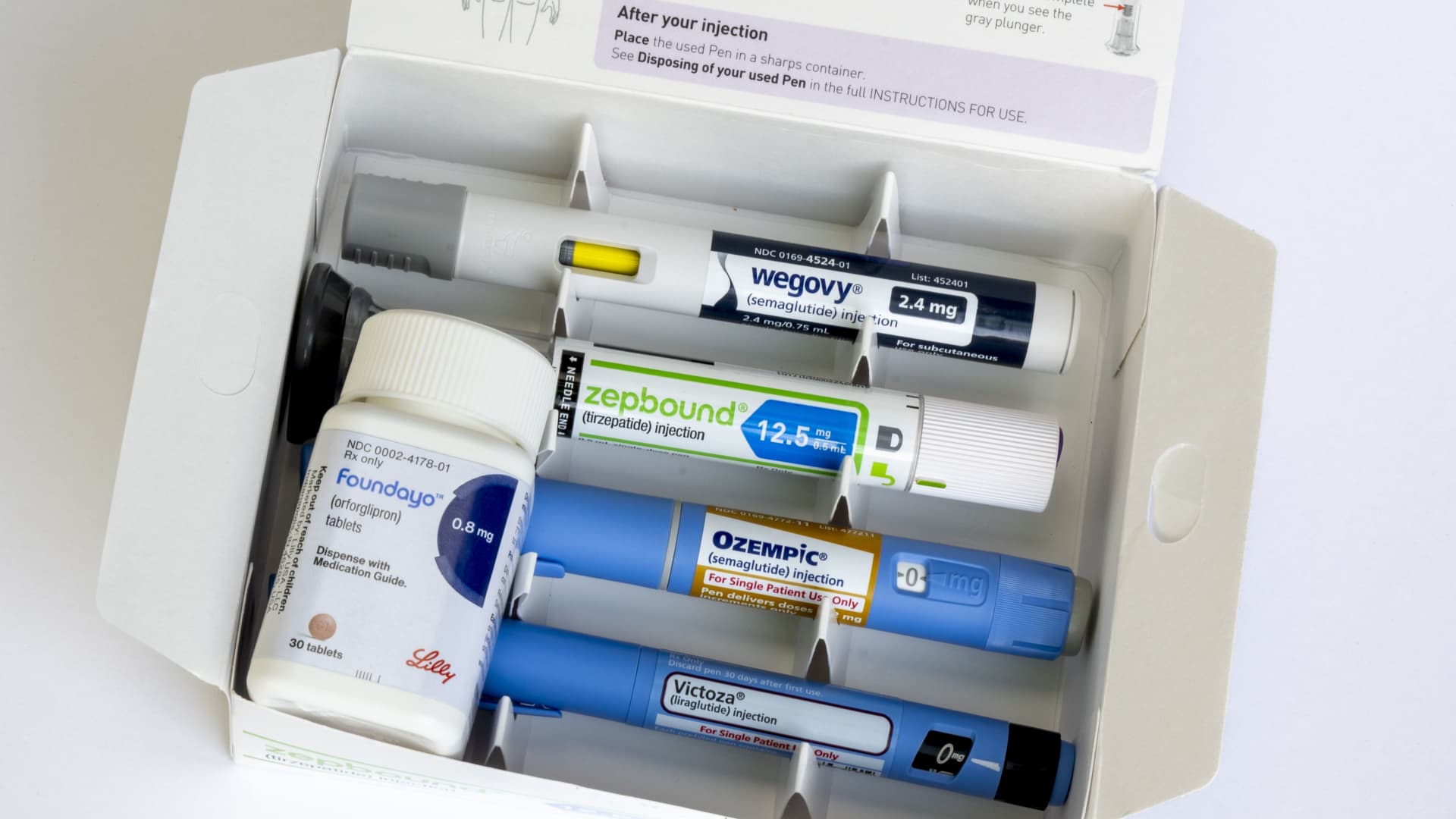
Novo Nordisk has sued Eli Lilly in federal court, accusing its rival of running ads that allegedly give patients a skewed picture of how their blockbuster GLP-1 drugs stack up.
The case, filed Tuesday in the U.S. District Court for the District of New Jersey, targets nationwide television and social media campaigns for Lilly’s obesity drug Zepbound and diabetes drug Mounjaro. Novo claims the ads rely on older clinical data while leaving out newer information about higher-dose versions of Novo medicines.
Novo is asking the court to stop Lilly from continuing the challenged ads, require corrective advertising and award financial damages. The amount of damages was not specified in the lawsuit, according to CNBC.
Lilly did not immediately respond to CNBC’s request for comment.
The fight over the fine print
Novo’s central complaint is that Lilly compares the highest available doses of its drugs with lower doses of Novo’s competing treatments, including Wegovy and Ozempic. Novo says that makes Lilly’s medicines appear more effective than they should when compared with products now on the market.
One Zepbound commercial cited in the suit presents a direct comparison with Wegovy, saying patients on Lilly’s drug lost 50 pounds on average versus 33 pounds for patients on a 2.4-milligram dose of Wegovy. Novo says that comparison is based on a prior head-to-head trial involving Zepbound and lower Wegovy doses.
Novo points to newer data on a 7.2-milligram Wegovy dose, which it says produced average weight loss of 47 pounds. The company says that result is clinically consistent with the weight loss shown for Zepbound in Lilly’s most recent rigorous study of that drug.
The high-dose version of Wegovy was approved recently and reached the market in March, according to CNBC. Novo says Lilly’s ads mention that higher dose only in a small footnote that the lawsuit describes as unclear and inadequate.
Novo also argues that no head-to-head trial has compared the highest currently marketed doses of Wegovy and Zepbound. Because of that, Novo claims Lilly does not have a proper basis to advertise its drug as more effective against the latest Wegovy dose.
A blockbuster rivalry gets sharper
The lawsuit brings federal and state claims for unfair competition and false advertising, including under the Lanham Act. Novo says the ads are especially harmful because patients may form views about GLP-1 drugs from consumer advertising, while doctors have broader access to clinical evidence.
John Kuckelman, Novo’s group general counsel, told CNBC that the lawsuit followed an April cease-and-desist request asking Lilly to remove or correct certain advertisements. He said Lilly declined to do so.
Novo also said it has warned Lilly that, if the ads are not taken down voluntarily, it plans to seek a preliminary injunction to block them while the case continues.
The suit says the Zepbound TV ad has drawn more than 700 million impressions since it began airing around the end of April. Novo argues that shows the scale of the alleged competitive harm.
Novo makes a similar allegation about Lilly’s Mounjaro advertising, saying Lilly compares it with Ozempic while omitting newer data on a higher Ozempic dose that was approved more than four years ago.
The courtroom clash comes as Novo tries to claw back ground in the fast-growing GLP-1 market. CNBC reported that the Danish drugmaker has been pushing a new obesity pill, price cuts and high-dose Wegovy as it competes with Lilly’s Zepbound and Mounjaro.
This story draws on original reporting from CNBC.