Oil jumps to six-week high as U.S.-Iran fighting rattles traders
Crude futures surged Wednesday as fresh U.S. strikes on Iran kept pressure on the Strait of Hormuz and revived supply worries.
By Sal Moretti · Money Reporter
2 min read
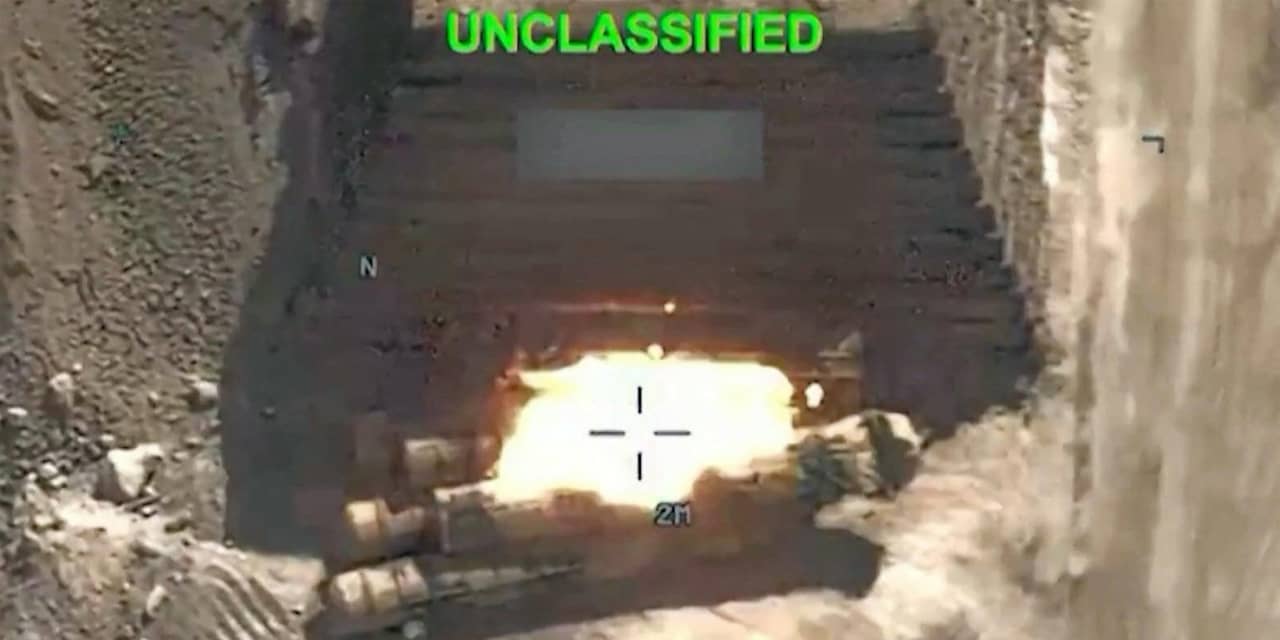
Oil prices pushed to a six-week high Wednesday after MarketWatch reported that the U.S. had struck Iran for an 11th consecutive night, sharpening fears over one of the world’s most important oil routes.
West Texas Intermediate crude for September delivery climbed 3.5% to $87.30 a barrel, according to MarketWatch, putting the U.S. benchmark up 17% over the past month. Brent crude’s September contract rose nearly 4% to $94.40 after briefly moving above $95. MarketWatch reported Brent was up about 21% from the same point in June.
The move came as fighting between Washington and Tehran further squeezed activity in the Strait of Hormuz. MarketWatch reported traffic through the waterway had been brought almost to a halt, renewing concerns that oil supplies could be disrupted.
Strait of Hormuz fears return
The Strait of Hormuz is central to the latest market anxiety because any disruption there can quickly feed into global crude prices. MarketWatch linked Wednesday’s rally to reduced expectations of de-escalation and a fresh geopolitical risk premium priced into energy markets.
U.S. Central Command said its latest strikes hit aircraft hangars, maritime capabilities and drone storage sites. CENTCOM said the action was aimed at stopping Iran from attacking commercial shipping through the key waterway.
Iranian news agencies reported that explosions were heard in parts of southern Iran, according to MarketWatch. The U.S. strikes followed Iranian attacks on U.S. military sites in Bahrain, Kuwait and Jordan on Tuesday, MarketWatch reported.
Analysts warn volatility could stay hot
Patrick Munnelly, market strategist at Tickmill Group, said in a Wednesday note cited by MarketWatch that continued military action and unresolved diplomacy were keeping pressure on prices.
"Military strikes have continued, and the stand-off over diplomacy remains unresolved," Munnelly wrote. "The result is a higher geopolitical premium and a renewed inflation impulse."
President Donald Trump also continued to claim the U.S. would attack Pickaxe Mountain, an underground nuclear site in Iran, according to MarketWatch.
Jonathan Squires, chief executive of risk and market surveillance firm Tapaas, said oil traders were likely to stay sensitive to fresh developments in the conflict.
"Looking ahead, oil markets are likely to stay highly reactive to geopolitical developments in the days ahead as the risk of strong volatility remains elevated, with any swings potentially affecting traders’ positioning," Squires said, according to MarketWatch.
The latest price action left energy markets focused on whether military activity around Iran and the Strait of Hormuz would ease or keep adding pressure to crude supplies and inflation expectations.
This story draws on original reporting from MarketWatch.