Oil prices fall as U.S.-Iran strike pause cools market fears
WTI and Brent posted their biggest daily percentage drops in at least two months after a pause in U.S.-Iran attacks eased supply fears.
By Frankie Delgado · News Reporter
3 min read
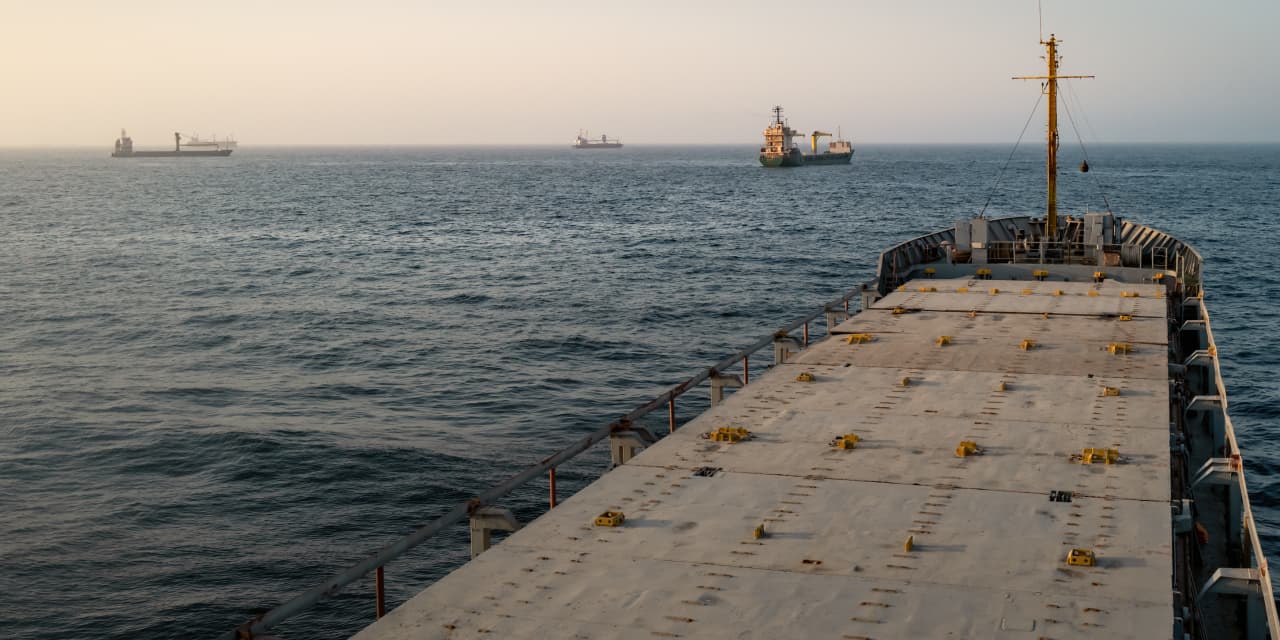
Oil prices fall hard on Monday as traders reacted to a break in direct attacks between the U.S. and Iran, sending the main crude benchmarks to their steepest one-day percentage losses in at least two months, according to Dow Jones Market Data.
West Texas Intermediate crude for September delivery dropped more than 7% to $85.02 a barrel. Front-month Brent crude, the global benchmark, fell 7.5% to $82.62 a barrel.
The selloff followed a third straight night without U.S. strikes on Iran, after 13 consecutive nights of attacks. U.S. Ambassador to the United Nations Mike Waltz told NBC on Sunday that President Donald Trump was giving peace talks “some space.”
Waltz did not say escalation was off the table. Asked by NBC whether he had ruled it out, he said, “I wouldn’t go that far at all. The president is keeping all options on the table.”
Why did oil prices fall today?
Oil prices fell because the immediate risk of a broader U.S.-Iran clash appeared to ease after both sides paused direct attacks. A lower perceived risk to energy supplies can pull crude prices down, especially after conflict fears have pushed traders to price in possible disruption.
Iran has not struck U.S. sites since Friday, MarketWatch reported. The pause came as senior diplomats from Oman visited Tehran over the weekend to support efforts to reach an agreement with Iran over shipping through the Strait of Hormuz.
The Strait of Hormuz is a key maritime passage for oil shipments from the Gulf. Any disruption there can matter quickly to energy markets because traders focus on whether crude and fuel cargoes can move freely through the route.
Waltz also pushed back on a New York Times report that said advisers had warned Trump that more fighting with Iran could “dangerously drain” the Pentagon’s air-defense munition supplies.
Regional risks have not gone away
The price drop did not mean the region had gone quiet. Over the weekend, Yemen’s Houthi militants launched missiles and drones at Saudi energy infrastructure, according to MarketWatch. Saudi state media later reported that Saudi Arabia retaliated by striking sites controlled by the rebel group in Yemen.
Jim Reid, global head of macroeconomic research and thematic strategy at Deutsche Bank, said in a Monday note that the Houthi attacks raised the risk of disruption across both Gulf and Red Sea export routes.
“So a welcome pause from the main actors but a fragile one, especially with side battles still ongoing,” Reid wrote.
Strategists at Société Générale led by Mike Haigh were also cautious. In a Monday note, they said the conflict had entered a “more unstable phase” because of wider involvement by groups aligned with Iran, ongoing disruption in the strait and recent attacks on tankers.
The Société Générale team forecast that every month without a deal would add at least $10 to the price of a barrel of oil.
This story draws on original reporting from MarketWatch.