Oil prices fall as Trump says Iran talks are under way
Brent and WTI slid Tuesday after Trump claimed deep talks with Iran, while Tehran said no peace talks with Washington are happening.
By Sal Moretti · Money Reporter
3 min read
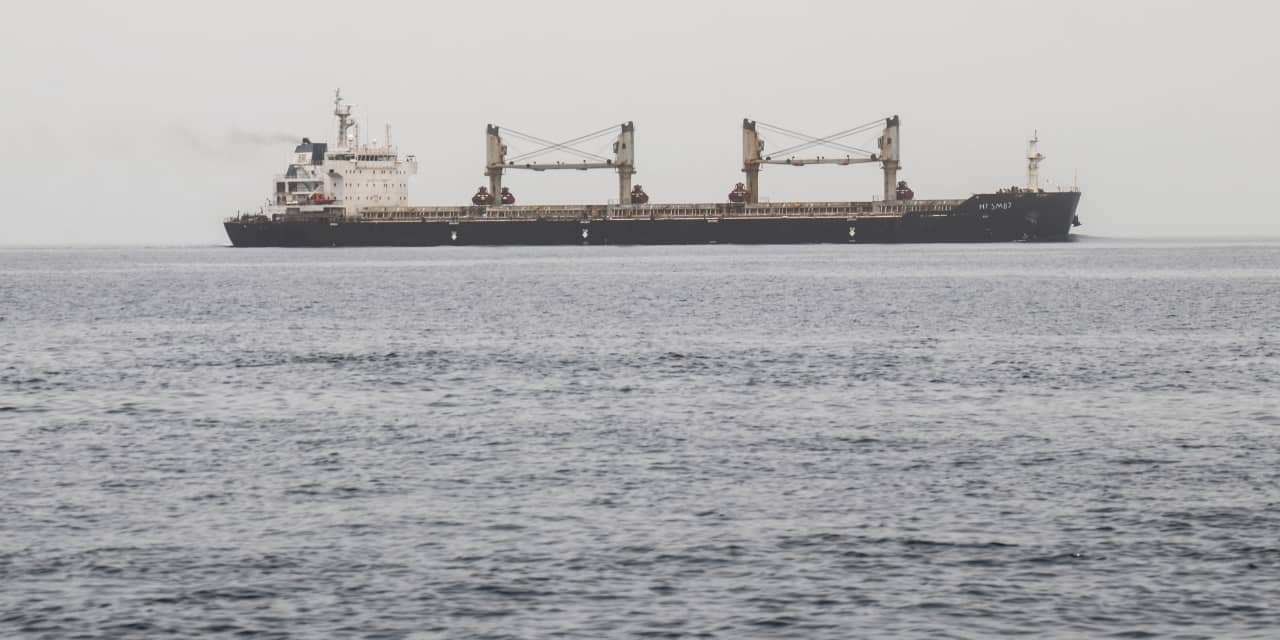
Oil prices fell Tuesday as oil prices Iran talks headlines collided with a flat denial from Tehran, leaving traders to price a fragile pause in U.S.-Iran strikes rather than a confirmed peace track.
September Brent crude dropped 2.5% to $83.76, according to MarketWatch, extending its fall to 17% since Washington halted attacks following 13 consecutive nights of strikes. September West Texas Intermediate lost more than 2% to $80.74, putting it about 12% lower over the same stretch.
The latest move came after President Donald Trump told Axios on Monday that he had stopped strikes to allow negotiations with Iran. Trump said the U.S. was in “very deep talks” with Tehran and warned that if they failed, the U.S. would return to “very strong military action.”
Iran’s public line was sharply different. Esmaeil Baghaei, spokesman for Iran’s foreign ministry, said during a televised press conference Monday that Tehran was not currently holding peace talks with Washington. Baghaei said Iran “will never allow the United States to determine the timing of war and peace.”
Why are oil prices falling after Trump’s Iran comments?
Oil prices are reacting to the pause in direct attacks and the possibility, however disputed, that diplomacy could reduce threats to supply routes and production. Crude often falls when traders see less risk of disruption in the Middle East, even before any formal deal is announced.
The market is also watching the Strait of Hormuz, the key waterway at the center of separate regional diplomacy. Bloomberg reported that negotiators from Iran and Oman are seeking an agreement to restart shipping through the strait, citing people familiar with the situation.
According to Bloomberg’s report, a successful Iran-Oman arrangement could create room for Washington and Tehran to resume discussions aimed at ending the five-month-old conflict. Those talks have not been confirmed by Iran’s foreign ministry.
Separate diplomatic calls have also taken place in the region. Iranian Foreign Minister Seyyed Abbas Araqchi, Saudi Foreign Minister Faisal bin Farhan and Oman’s Badr Al-Busaidi held conversations, according to a statement posted on Telegram.
What is the Strait of Hormuz?
The Strait of Hormuz is a narrow shipping route linking the Persian Gulf with open water. When conflict threatens traffic there, oil markets tend to react quickly because the route is central to regional energy exports.
Analysts at Wood Mackenzie said in a Tuesday note that the oil and gas sector entered 2026 expecting a tough year, but instead faced a price surge, an unexpected cash boost and growing strategic pressure.
For now, the market has two competing signals: Trump saying talks are deep, and Iran saying talks with Washington are not happening. Crude’s Tuesday slide shows traders are giving weight to the pause in strikes and the regional efforts around shipping, while waiting for clearer proof of any U.S.-Iran deal.
This story draws on original reporting from MarketWatch.