Oil prices after Iraq strikes climb as U.S. and Saudi Arabia hit militias
WTI and Brent rose about 5% after U.S. and Saudi strikes in Iraq raised fresh concerns over Middle East oil supplies.
By Sal Moretti · Money Reporter
3 min read
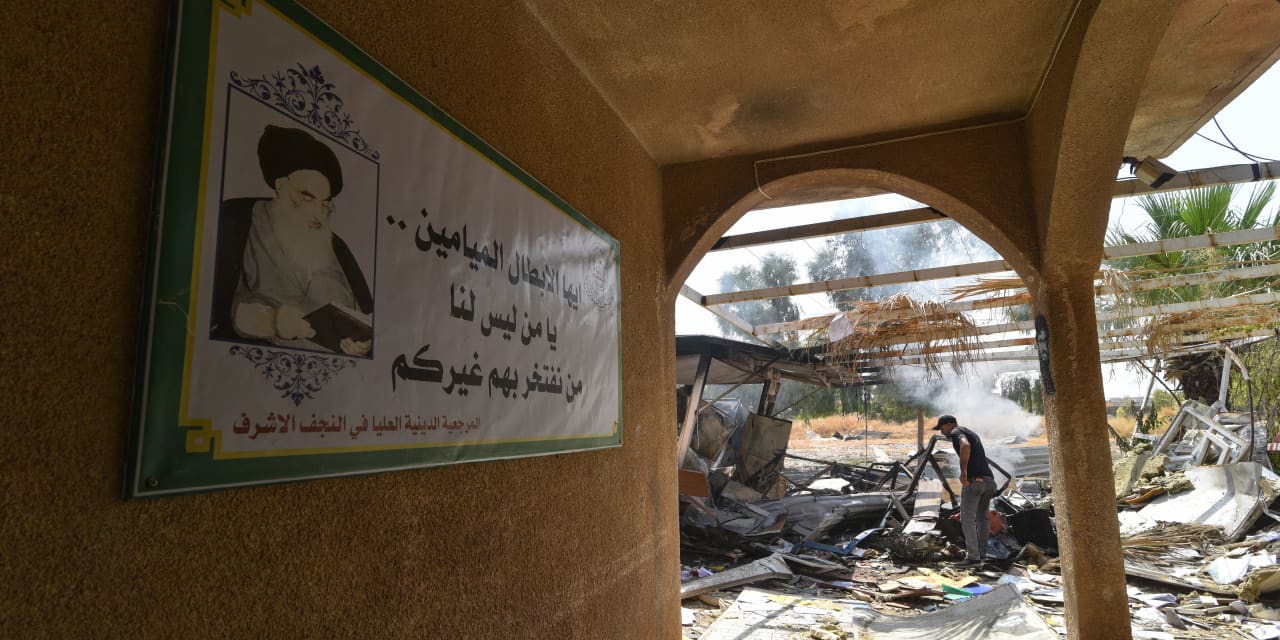
Oil prices after Iraq strikes moved sharply higher Wednesday, with crude futures rising about 5% after the U.S. and Saudi Arabia said they hit Iran-backed militia targets in eastern Iraq.
MarketWatch reported that West Texas Intermediate crude for September delivery rose 5% to $83.16 a barrel, putting the U.S. benchmark up 16% over the past month. Brent crude’s September contract climbed around 5% to $85.95 a barrel, more than 16% above its level a month earlier.
The move followed a late Tuesday statement from U.S. Central Command, which said U.S. forces and the Saudi Arabian Armed Forces carried out “precision strikes” on what it described as Iran-aligned groups in Iraq.
Why did oil prices rise after Iraq strikes?
Oil traders often react quickly to fighting in the Middle East because the region is central to global energy supply. In this case, the strikes added to fears that a wider conflict could threaten production, transport routes or energy infrastructure.
Peter Sidorov, senior international economist at Deutsche Bank, said Wednesday that recent developments had increased the risk of a return to “full war,” according to MarketWatch.
Patrick Munnelly, market strategist at Tickmill Group, wrote in a Wednesday note that the price move reflected fading hopes for near-term diplomatic relief rather than a sudden new supply shock, MarketWatch reported.
What did U.S. Central Command say happened?
U.S. Central Command said the strikes came after the Islamic Revolutionary Guard Corps allegedly directed roughly 30 drone attacks over three days toward U.S. forces at a military base in Jordan and toward Saudi energy infrastructure.
Centcom said all of the missiles were intercepted. It said the U.S. and Saudi Arabia responded by hitting several logistics and weapons locations used by what it called terrorist groups in eastern Iraq.
Centcom also warned that the IRGC and allied groups must stop the attacks to avoid further U.S. military action.
Iraq militia group reports deaths and injuries
Iraq’s Popular Mobilization Forces, an umbrella organization that includes Iran-supported militias, said Wednesday that at least 20 of its fighters were killed and 32 were wounded in strikes on its bases.
The PMF called the attack “an extremely serious escalation and a violation of Iraq’s sovereignty,” according to its statement cited by MarketWatch.
Iraqi Prime Minister Ali al-Zaidi canceled a planned visit to Saudi Arabia after the strikes, according to a report by Shafaq, a Baghdad-based news outlet.
Hormuz worries add pressure
Oil supply concerns were also fed by comments from Iran. Iranian Deputy Foreign Minister Kazem Gharibabadi told state television Tuesday that Tehran had turned down a proposal to share control of the Strait of Hormuz with Oman.
The Strait of Hormuz is a key shipping route for oil moving out of the Gulf. Any tension around its control can rattle crude markets because traders watch the waterway as a chokepoint for energy exports.
This story draws on original reporting from MarketWatch.