Oil prices and stock futures swing as U.S. and Iran pause attacks
Crude dropped below $85 while Nasdaq-100 futures jumped as traders watched U.S.-Iran talks, the Fed meeting and Big Tech earnings.
By Frankie Delgado · News Reporter
3 min read
Oil prices and stock futures broke sharply in different directions late Sunday after the U.S. and Iran paused attacks for the first time in about two weeks, giving traders a burst of hope that diplomacy may be back in play.
MarketWatch reported that Dow Jones Industrial Average futures were up about 300 points, or 0.6%, late Sunday. S&P 500 futures gained 0.7%, while Nasdaq-100 futures climbed 1.2%. Bitcoin traded above $65,000.
Oil went the other way. West Texas Intermediate crude, the U.S. benchmark, fell 5% Sunday to below $85 a barrel, according to MarketWatch. It had settled Friday at $89.31 after rising almost 10% over the week.
Why are oil prices falling after the U.S.-Iran pause?
Oil prices fell because traders saw the pause in attacks as a possible opening for talks, easing some fear that fighting would keep disrupting energy flows. The Associated Press reported that an unnamed regional official involved in mediation said both sides were trying to return to an interim ceasefire arrangement that collapsed earlier this month.
Mike Waltz, the U.S. ambassador to the United Nations, told Fox News on Sunday that President Donald Trump had held off on fresh strikes to give “talks some space” and “a little bit of room.” Waltz did not give further details, according to the report.
Stephen Innes, managing partner at SPI Asset Management, wrote in a weekend note that Washington may have judged that repeated military action was yielding less. He said the diplomatic pause may reflect an effort to keep the war premium in oil from becoming a domestic political problem.
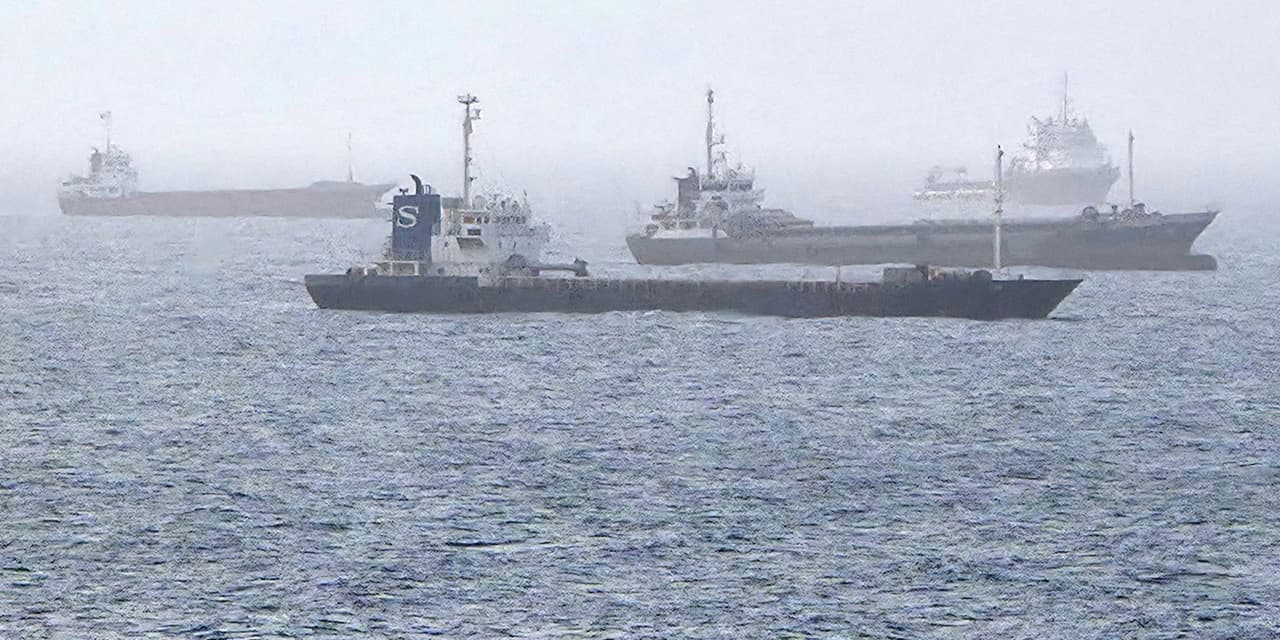
The oil market has been on edge since fighting resumed this month. MarketWatch reported that prices climbed as Iranian-backed Houthi rebels in Yemen threatened tankers in the Red Sea, a key alternative route for oil traffic while the Strait of Hormuz is effectively shut.
Traders are also staring at a packed Wall Street calendar. The Federal Reserve’s rate-setting committee meets Tuesday and Wednesday, with Fed Chair Kevin Warsh scheduled to speak after the decision.
Warsh has given investors little guidance about the central bank’s next move, according to MarketWatch. CME’s FedWatch tool showed a 38% chance of a rate increase this week, though MarketWatch reported that most experts expect any hike to be more likely in September.
Inflation remains above the Fed’s 2% target and has risen after the Iran war pushed fuel costs higher, MarketWatch reported. The 10-year Treasury yield was near a decade high at 4.687%, with investors worried that dearer energy could keep inflation hot and pressure the Fed to act sooner.
Stocks entered the week bruised. MarketWatch reported that the Dow fell for a third straight week, while both the S&P 500 and Nasdaq Composite posted their second consecutive weekly declines.
Earnings will add another layer of noise. A total of 177 S&P 500 companies are due to report in the coming days, according to MarketWatch, including Apple, Microsoft, Amazon and Meta Platforms, with investor attention on artificial intelligence spending.
Other major names on the earnings docket include Starbucks, Chipotle, UPS, Visa and Boeing, MarketWatch reported.
This story draws on original reporting from MarketWatch.