Saudi oil exports turn to pricier Egypt workaround
Saudi Arabia is sending more crude through Egypt’s Sidi Kerir port as conflict disrupts its usual routes to Asian buyers.
By Sal Moretti · Money Reporter
3 min read
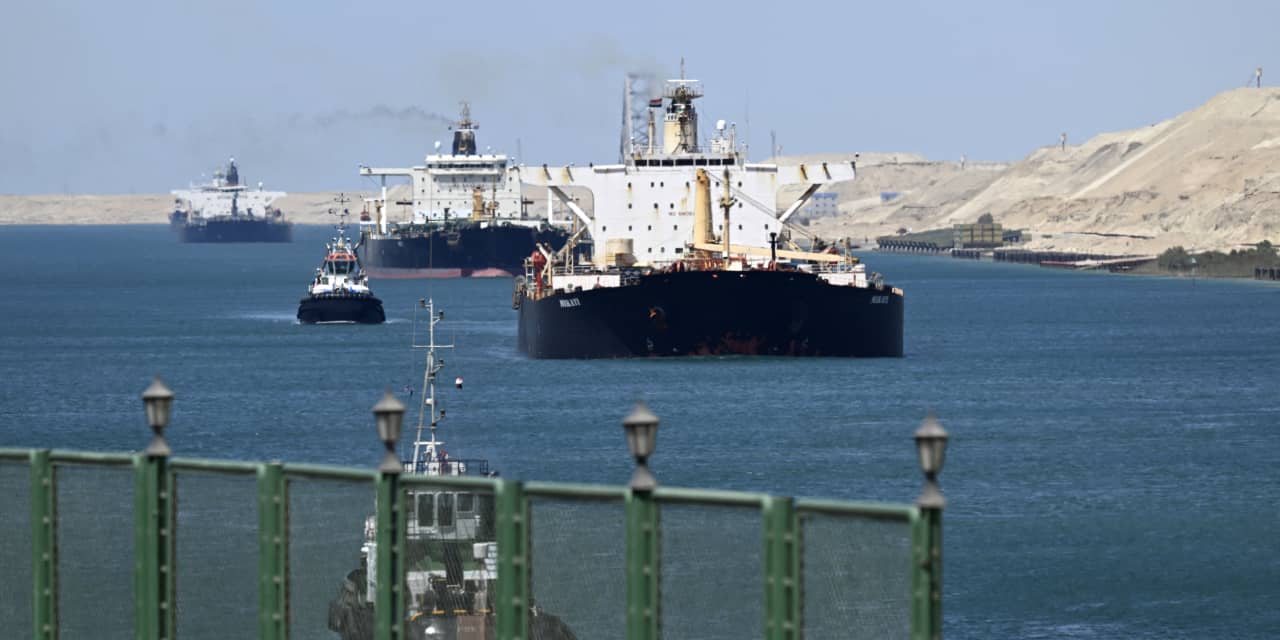
Saudi oil exports are being pushed onto a longer and costlier path, with Saudi Arabia increasing crude loadings at Egypt’s Sidi Kerir port as conflict disrupts its usual shipping options, according to MarketWatch.
The port, about 20 miles west of Alexandria on the Mediterranean Sea, has become a fresh workaround for the kingdom as it tries to keep oil moving to customers, especially in Asia, MarketWatch reported.
The shift points to a messy new reality for one of the world’s key oil exporters: getting barrels to buyers now means steering around more than one flashpoint.
Why is Saudi Arabia using Sidi Kerir for oil exports?
Saudi Arabia is turning to Sidi Kerir because global conflict has complicated the country’s regular export channels, according to MarketWatch. The route gives the kingdom another way to move crude toward buyers, though the report said it is longer and more expensive than the Red Sea option.
Sidi Kerir is an Egyptian port on the Mediterranean near Alexandria. MarketWatch identified it as the loading point now seeing more Saudi-linked activity as the kingdom looks north for an alternate route.
The report said Saudi Arabia had already leaned more heavily on its Red Sea route after the Strait of Hormuz closed during the war in Iran. With that disruption reshaping shipping patterns, the kingdom is now using Egypt as another outlet.
MarketWatch described the Egypt route as a “backdoor” for crude exports, with the kingdom trying to serve buyers mostly in Asia. The added distance and cost make it a pricier workaround rather than a clean replacement for the usual flow of oil.
What does this mean for oil buyers?
For buyers, the immediate issue is logistics. MarketWatch reported that Saudi Arabia is still trying to offer crude to Asian customers, but the path to get those barrels there has become more complicated.
The report did not say that Saudi Arabia has stopped exporting oil to Asia. It said the kingdom is using a more cumbersome route to keep shipments moving while conflict affects the channels it would normally use.
That distinction matters: the story is about rerouting, not a shutdown of Saudi crude sales. The kingdom’s workaround through Egypt shows how shipping routes can change fast when strategic waterways are caught up in conflict.
MarketWatch also pointed to Egypt’s Suez Canal and Sidi Kerir port as part of the emerging alternative. Together, they put the Mediterranean into the picture for Saudi crude that would otherwise have moved through more direct routes.
The result is a more expensive shipping puzzle for Saudi Arabia, with conflict forcing the kingdom to look beyond its preferred lanes. For oil markets, the key fact is that barrels may still move, but the route to get them there is getting less straightforward.
This story draws on original reporting from MarketWatch.