Tiny semaglutide implant aims to keep weight loss patients on track
Vivani Medical is testing a long-acting GLP-1 implant with Novo Nordisk, but doctors say human data and access questions still loom.
By Sal Moretti · Money Reporter
3 min read
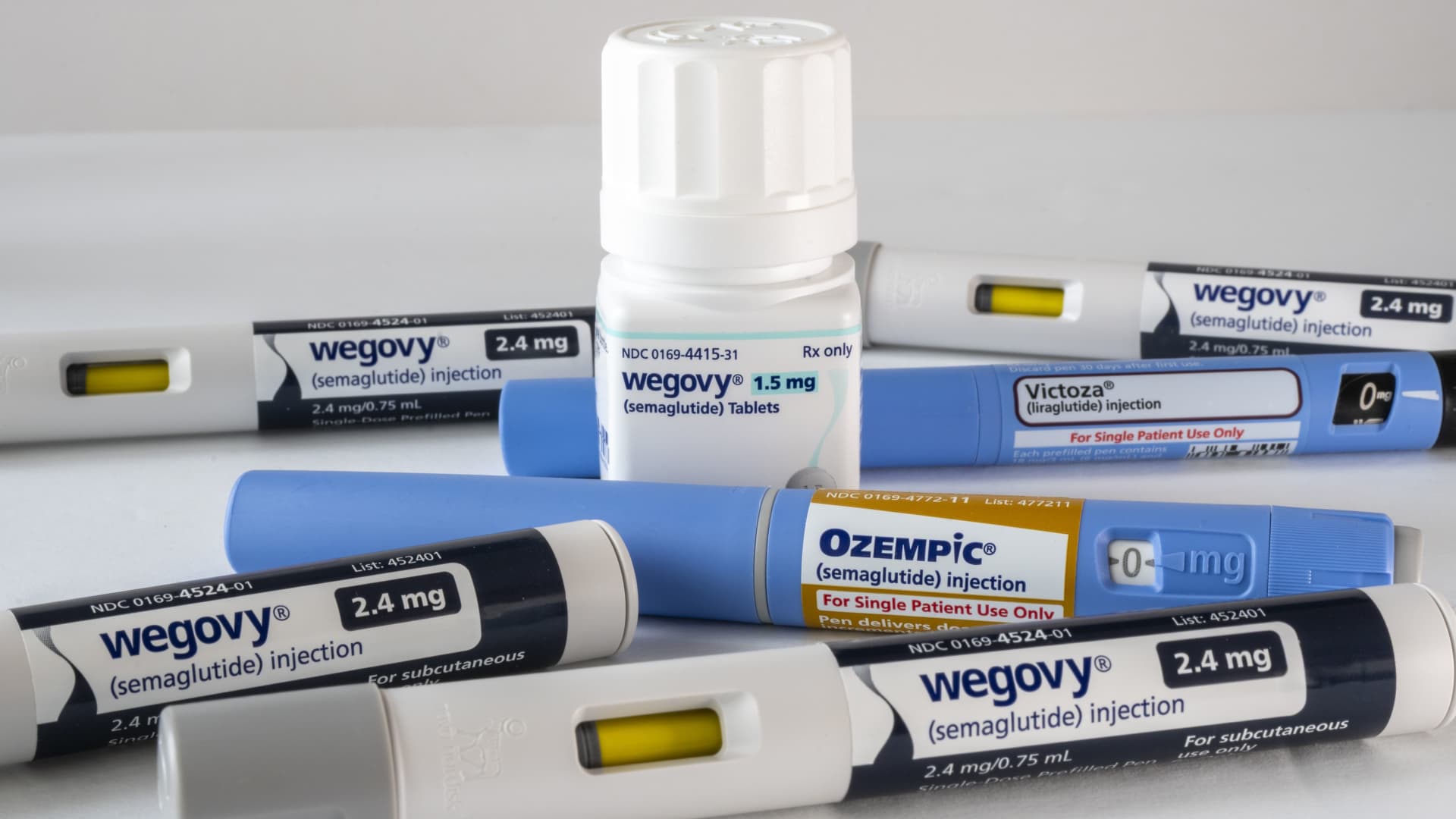
A matchstick-size bet on the future of weight-loss treatment is moving toward its first human test: Vivani Medical is developing a semaglutide implant designed to sit under the skin and release medicine for months.
The biotech company says the device could eventually help solve a stubborn problem for GLP-1 drugs: many patients stop taking them, then risk regaining weight. Studies cited by CNBC estimate roughly half or more of patients discontinue GLP-1 treatment within a year, with side effects, cost, weekly injections and stigma among the reasons.
Vivani’s lead implant, called NPM-139, contains semaglutide, the active ingredient in Novo Nordisk’s Wegovy obesity injection and Ozempic diabetes drug. Novo Nordisk announced an agreement with Vivani this week to evaluate the implant, according to the companies.
Vivani President and CEO Adam Mendelsohn said the company sees the implant first as a maintenance option. Under that plan, patients would begin treatment with existing injections or pills, reach a suitable dose, then switch to the implant for longer-term use.
How the implant would work
Vivani describes the device as a small titanium reservoir filled with semaglutide. A membrane at one end contains microscopic channels that allow the drug to leave the implant slowly and steadily, Mendelsohn said.
The company says that steady release could reduce the peaks and dips seen with periodic dosing and may improve tolerability, including nausea and vomiting. That claim has not yet been proven in human trials.
The current version is designed to be removed and replaced every six months, though Vivani hopes to develop a one-year implant. Mendelsohn said patients could have it removed at any time, switch to a different dose, or potentially receive more than one implant if needed.
The procedure would be done in a doctor’s office with local anesthesia, likely under the skin of the upper arm or possibly the abdomen, Mendelsohn said. He compared the idea to contraceptive implants such as Nexplanon.
Doctors see promise and problems
Several doctors told CNBC the concept could appeal to patients who are tired of injections or struggle to remember pills. Dr. Harold Bays, chief science officer of the Obesity Medicine Association, said the field is already focused on how to maintain weight reduction and preserve related health benefits.
Dr. Amy Sheer, an assistant professor of medicine at the University of Florida, said the device could be significant for many patients if it works as intended.
Other physicians are cautious. Dr. Miranda Stiewig-Rapp, director of UC Davis Health’s Obesity Clinic, said she wants to see evidence that the implant works, produces results and can be used long term.
Dr. Amy Rothberg, a clinical professor of medicine at the University of Michigan, said the procedure could require training for obesity medicine providers, along with new billing and complication-management workflows. She also noted that patients using telehealth services for GLP-1 prescriptions may face access barriers if an in-person implant procedure is required.
Cost and insurance coverage remain unresolved. Mendelsohn said Vivani expects the implant could cost less than shots because patients may need only one or two implants a year instead of weekly injector pens, but the company has not set a price.
Next stop: human trials
Vivani said in June that an Australian human research ethics committee approved SLIM-1, its first human clinical trial of the semaglutide implant. The phase one study is expected to begin in mid-2026 and enroll about 20 overweight or obese adults who have not previously used GLP-1 drugs.
Participants will receive either the implant or a low-dose weekly Wegovy injection for four weeks. Researchers will study safety, tolerability, drug release in the body and weight loss.
If results are positive, Vivani plans a phase two study to test different implant doses before larger trials needed for regulatory approval.
This story draws on original reporting from CNBC.